Radiation Therapy in Panama
Radiation oncology is a field that has evolved over the years to offer various alternatives to the use of radiation for diagnostic or therapeutic purposes. Within this field, radiation therapy is now one of the most widely used treatments in oncology worldwide.
One therapy; multiple benefits
X-rays or gamma rays used for therapeutic purposes can be administered before and after surgery. Even in patients with no real chance of a cure, this treatment is part of palliative care aimed at improving quality of life.
The medical team works together to determine how, when, and in what manner to administer radiation as part of the treatment.
Although radiation therapies may have some side effects, their benefits outweigh them.

Effectiveness against cancer
By using controlled ionizing radiation treatments, it is possible to combat cancer cells and prevent them from spreading.

Safety and Precision
The patient receives programmed doses so that the duration of each session and the entire cycle can be administered in a precise and controlled manner.

The Specialist
He is responsible for targeting malignant cells without affecting healthy cells, applying his knowledge of radiation therapy administration techniques.
What is radiation therapy, and what is it used for?
Radiation therapy is a medical treatment that uses high doses of ionizing radiation to destroy cancer cells or stop their growth. It acts directly on the DNA of tumor cells, preventing them from dividing and reproducing.
The doctor prescribes radiation therapy for different purposes depending on the case: to eliminate the tumor with the intent of a cure, to shrink it before surgery, to eliminate residual cells after surgery, or to relieve symptoms in advanced cancer. In all cases, the medical team develops the treatment plan based on the type of cancer, its location, and the patient’s overall condition.
How does radiation therapy work?
Radiation therapy works by damaging the genetic material of tumor cells. When radiation strikes the DNA of a cancer cell, that cell loses its ability to divide. Over time, it dies, and the body eliminates it naturally.
Healthy cells in the surrounding tissue may also be exposed to some radiation, but they are better able to repair themselves. That is why the treatment is administered in scheduled sessions: the interval between sessions gives the healthy tissue time to recover, while the tumor accumulates damage.
What happens to the tumor during treatment?
The tumor does not disappear overnight. The effects of radiation therapy are gradual. Some cells die during the first few sessions; others take weeks or even months to stop growing after the full course of treatment is completed. That is why the doctor schedules follow-up visits and diagnostic imaging during and after treatment to assess the tumor’s response.
Radiation Oncology: The Specialty That Follows Diagnosis
When imaging studies confirm a cancer diagnosis and the treatment plan includes radiation, radiation oncology comes into play. This medical specialty focuses on planning, administering, and monitoring radiation therapy—that is, the controlled use of ionizing radiation to treat tumors in cancer patients.
The radiation oncologist does more than just prescribe the dose. He or she also determines the technique, precisely delineates the area to be treated, shields adjacent healthy tissues, and adjusts the treatment plan if the patient’s response requires it. He or she works closely with medical physicists, radiology technologists, and the rest of the oncology team to ensure that each session targets exactly where it should.
Types of Radiation Therapy
Radiation oncology offers treatment options based on the type of cancer, its stage, and its location. The patient’s overall condition and response to other treatments determine which treatment modality is best suited for each case. Based on the preliminary evaluation, the specialist may recommend one of the following types of therapy:

External-beam radiation therapy
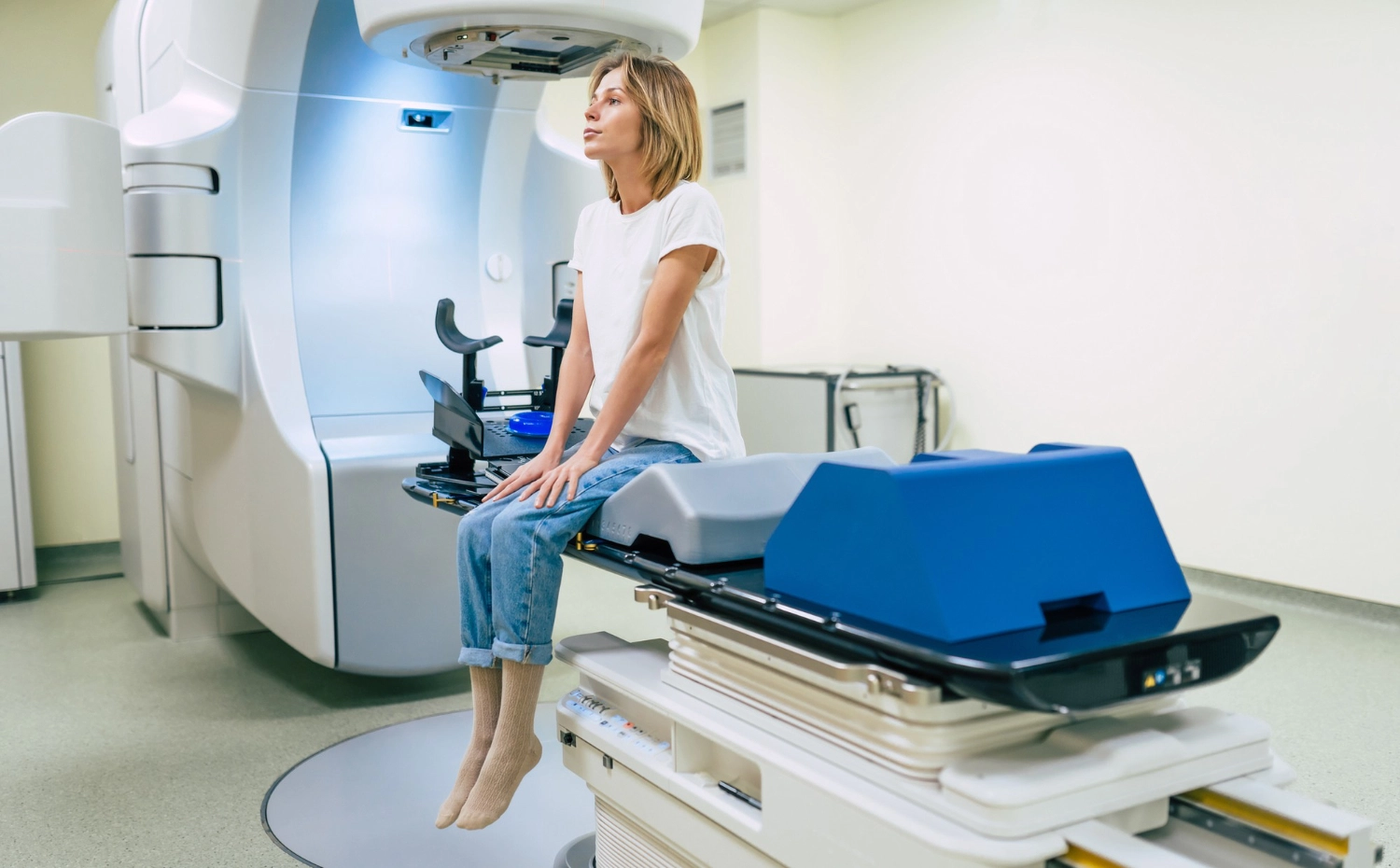
This is the most common type of radiation therapy. Radiation is delivered from a machine located outside the body, and the beams are precisely aimed at the tumor area. Before treatment begins, the specialist determines the exact area to be treated through a process called simulation. Sessions are generally administered five days a week, in cycles of 6 to 8 weeks, and the total dose varies depending on the type of cancer and the treatment goal.

Brachytherapy
Internal radiation therapy, or brachytherapy, involves placing a radioactive source directly into the tumor or very close to it using an applicator inserted in the operating room under anesthesia. This concentrates the dose on the affected area while minimizing the impact on healthy tissue. There are two techniques:
Interstitial brachytherapy: The implant is placed inside the tumor. It is frequently used to treat prostate cancer.
Intracavitary brachytherapy: The implant is placed inside a body cavity, such as the uterus in cases of cervical cancer.

Systemic radiation therapy
In this case, the radioactive source is administered orally or intravenously. Once in the body, it circulates through the bloodstream and accumulates in the tissues where the cancer is located. This is the most commonly used treatment for certain types of thyroid cancer, using radioactive iodine.
Effects of Radiation Therapy
Like any medical treatment, radiation therapy can cause side effects. Most occur in the treated area and appear during or shortly after the course of treatment. Not all patients experience them with the same intensity.
The effects of radiation therapy depend on several factors: the area of the body receiving the radiation, the total dose administered, the duration of treatment, and the patient's individual condition.
Common Side Effects by Treatment Area
The effects of radiation therapy vary depending on the treatment site. In the head and neck area, side effects may include dry mouth, difficulty swallowing, changes in taste, and sores on the mucous membranes. In the chest area, side effects may include a dry cough, difficulty breathing, or inflammation of the esophagus. In the abdomen and pelvis, side effects may include nausea, diarrhea, bladder irritation, or changes in sexual function.
In any area of the body, fatigue and local skin irritation are the most common side effects of radiation therapy. Healthy cells generally recover within weeks after treatment ends.
Contact us at
. Schedule an appointment
Request a consultation
For which types of cancer is radiation therapy recommended?
Radiation therapy is used to treat a wide variety of tumors. Among the most common are:
Radiation Oncology at the Panama Cancer Clinic
At Panama Cancer Clinic, radiation oncology is an integral part of the comprehensive cancer care model that defines the center. All services are available in a single location. This allows patients to receive their diagnosis, oncological evaluation, and radiation treatment without having to travel between different centers.
Radiation oncology at the Panama Cancer Clinic is guided by the highest standards of care, with a team composed primarily of specialists from the National Cancer Institute.
Request more information
FAQs
- Follow the specialist's instructions. Depending on the type of treatment the patient is receiving, the physician will indicate whether there are specific restrictions regarding visits and, in general, the conditions for interacting with other people.
- Take care of your personal hygiene. Washing your skin with water and mild soap, and avoiding the use of perfumes and antiseptics (alcohol, hydrogen peroxide, etc.), helps ensure the treatment is effective.
- Do not wear tight-fitting clothing. As much as possible, clothing should not constrict the body at any point. In addition, the exposed skin should come into contact only with cotton fabrics.
- Safe sex. Although it is possible to have sexual relations during treatment, pregnancy is not recommended. Therefore, if the patient feels well and there are no physical limitations, the use of some form of contraception is recommended.
Obviously, this depends on the type of therapy being administered. Consequently, temporary implants can be removed after a few minutes or a few days, while permanent implants—as their name suggests—remain in the body even after they have lost their radioactivity. As a result of this distinction, in radiation oncology it is possible to identify the following types of therapy based on their application:
High-dose brachytherapy
Although this technique is highly effective against cancer, the implant must be removed from the patient after 10–20 minutes.
Although this type of therapy does not leave radioactive material in the body, the applicator may be left in place until the end of the cycle or inserted before each session; this may involve up to two sessions per day, depending on the type of cancer being treated.
At the same time, these patients may remain hospitalized at the discretion of the treating physician and may require special preventive measures.
Low-dose brachytherapy
On the other hand, this type of radiation therapy delivers lower doses of radiation over a longer period of time, allowing the implant to remain in the patient's body—in some cases, indefinitely.
This is why the patient will likely have to remain in the hospital, confined to a special room to prevent the spread of radiation to others; and may even be instructed to remain still so that the implant does not move.
However, there are some implants that are particularly small and are designed to remain in the body. In these cases, you can go home the same day, provided you follow the instructions and precautions that the specialist will give you.
As a result of implant placement, the patient may experience stomach discomfort, dizziness, or weakness. However, if other symptoms, pain, or problems arise as a result of the treatment, it is advisable to consult with a specialist in oncologic radiology to explore alternative options for alleviating these discomforts.
Make an appointment today with your radiation oncologist in Panama

Top health insurance providers we partner with