Cervical biopsy
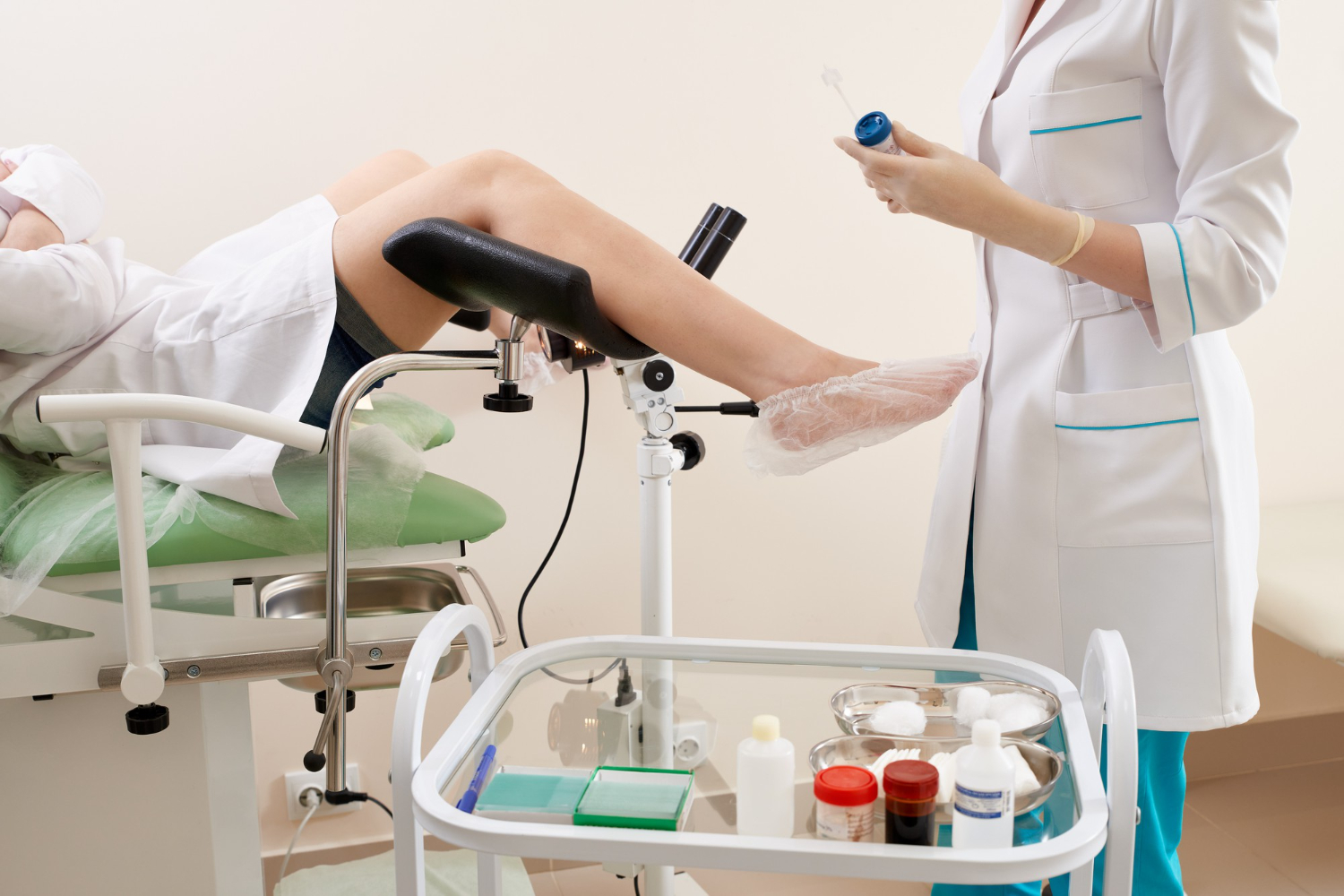
It is a medical procedure designed to collect small tissue samples from the cervix to determine whether the conditions present are normal, cancerous, or precancerous.
CONTACT USCervical Analysis
Samples of cervical epithelium taken from this area make it possible to determine the origin and condition of a lesion.
The cervix is a narrow canal that runs from the lower part of the uterus to the vagina.
Cervical cancer ranks third among the malignant conditions that most commonly affect women worldwide.

Multiple purposes
A cervical biopsy can serve three purposes, depending on the case: to collect samples for analysis, to completely remove suspicious tissue, or to treat cancerous cells.

Early detection
Biopsies are more effective than any other test for the early detection of lesions that may be cancerous.

The Specialist
Our medical team is prepared to conduct a comprehensive professional evaluation, analyze the conditions identified, and provide the appropriate diagnosis.
Frequently Asked Questions
The method to be used is determined based on each patient's specific circumstances; however, we would like to take this opportunity to mention the three most common procedures:
- Colposcopic biopsy
- Cone biopsy
- Endocervical curettage (ECC)
It consists of an internal diagnostic examination performed using an instrument called a colposcope. This device provides a clear view of the pelvic area to detect any abnormalities, after which tissue samples are taken using special forceps to confirm the type of condition found.
A cone biopsy, also known as a cone biopsy or conization, is a procedure in which the physician uses a small laser or scalpel to remove an elongated portion of tissue from the endocervical canal to the exocervix, resulting in a cone-shaped sample.
Cone biopsy is commonly used in patients as a treatment to remove cancerous tumors detected at an early stage or in limited areas diagnosed as precancerous.
In this procedure, a fine instrument called a curette is used to completely scrape the lining of the endocervical canal. It should be noted that this is a difficult area to access within the cervix.
In general, the patient will be under anesthesia—either local or general—throughout the biopsy; however, she may initially feel the typical discomfort associated with gynecological instruments such as the speculum or the tenaculum. After that, she may experience brief episodes of mild cramping or a pinching sensation as samples are collected for pathological analysis.
A doctor may recommend a cervical biopsy when abnormalities are detected during a pelvic exam or when a Pap smear reveals abnormal cell activity. A cervical biopsy is also useful for diagnosing and treating noncancerous conditions such as polyps or genital warts.
When the procedure is performed by a certified specialist, the likelihood of complications decreases significantly. However, some patients may develop infections or hemorrhages if they do not follow the recommendations provided by their treating physician.
In addition, statistics show that cone biopsies tend to increase the risk of infertility and miscarriage due to scarring of the cervix caused by the procedure.
- This type of biopsy is usually scheduled one week after your period.
- You should inform your doctor if you have allergies to medications, pain relievers, latex, or any other related products.
- Please list any medications or supplements you usually take on a daily basis.
- Please indicate if you have any blood disorder that may cause heavy bleeding or prevent proper clotting.
- It is recommended to refrain from sexual intercourse for at least 24 hours before the biopsy.
- Don't forget to keep a sanitary pad in your purse or handbag to place on your intimate area after the biopsy is complete.