Colonoscopy
A colonoscopy is a procedure used to examine the inside of the colon and rectum, which allows for the detection or diagnosis of various conditions, such as colon cancer, polyps, and inflammatory bowel diseases, among others.
An essential test for the early detection of colon cancer
At Panama Cancer Clinic, we offer colonoscopy services performed by highly qualified staff with extensive experience in the diagnosis and treatment of colon disorders. We use state-of-the-art technology and adhere to the highest quality standards in every examination.
Colonoscopy is estimated to have reduced the death rate from colorectal cancer by 53% compared to those who did not undergo the test.
Colon cancer can affect people of all ages, but it is most commonly seen in adults over the age of 50.
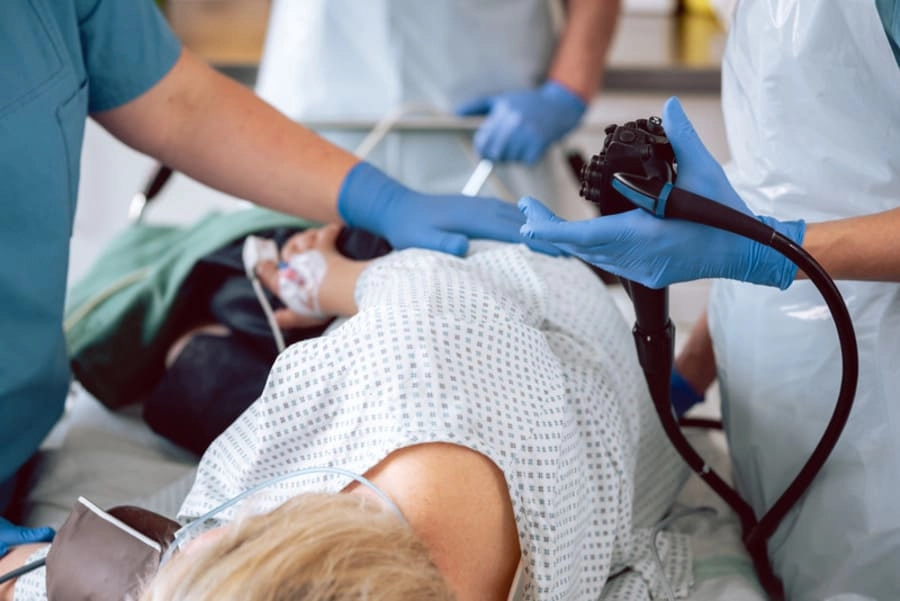

The Colonoscope
It is the only instrument that can be used to visualize the inside of the colon and rectum.

Final Results
We use advanced technology and follow the strictest protocols to ensure accurate and reliable results.

The Specialist
Our specialists work closely with each patient to ensure a positive experience.
What is a colonoscopy?
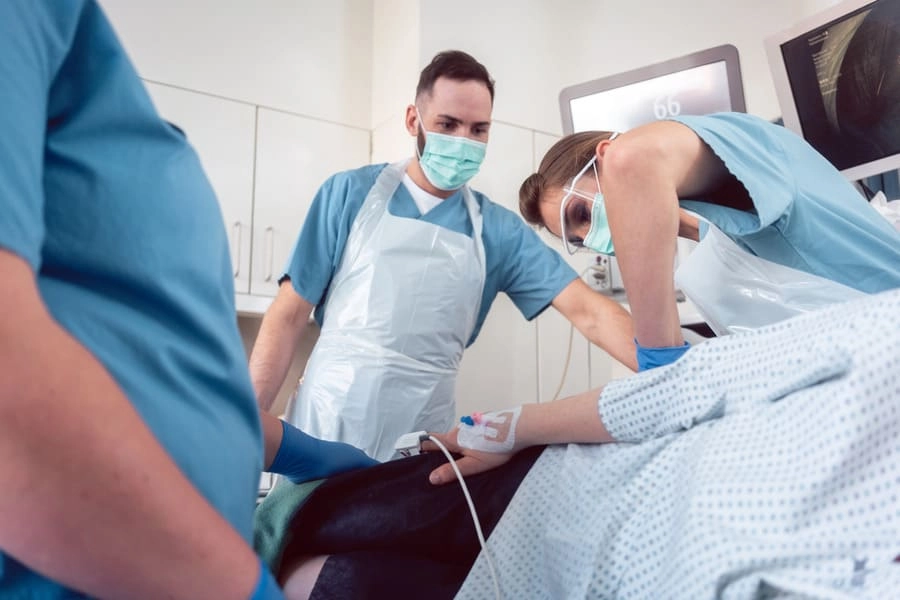
A colonoscopy is a medical test that uses a long, flexible tube with a camera on the end to examine the inside of the colon and rectum.
This test can be performed to detect or diagnose a variety of diseases, such as colon cancer, polyps, and inflammatory bowel disease.
How is a colonoscopy performed?
In a colonoscopy, the patient must be prepared and sedated before the procedure begins. The specialist then carefully inserts the colonoscope through the patient's anus and gently advances it through the colon and rectum, examining the inside of the colon along the way and taking samples if necessary. The test itself takes approximately 30 to 60 minutes.
How to Prepare for a Colonoscopy?
Preparation for a colonoscopy begins several days before the test and may include the following:
Soft foods and clear liquids
The day before, the patient should eat a soft diet and drink clear liquids; he or she should also avoid eating solid food.
Medications to Take or Avoid Before the Test
The patient must take the medications recommended by the specialist to cleanse the colon so that it is empty during the test. It is important to tell the doctor about all the medications you are taking. In some cases, the patient may need to adjust the dosage of or stop taking certain medications before the colonoscopy.
When is a colonoscopy necessary?
A colonoscopy may be performed for a number of reasons, either as part of a screening test for colon cancer, to diagnose a disease, or as part of follow-up care.
Possible Risks of a Colonoscopy
Risks associated with a colonoscopy may include:
- Abdominal pain.
- Bleeding.
- Perforation of the colon.
However, these risks are generally very low.
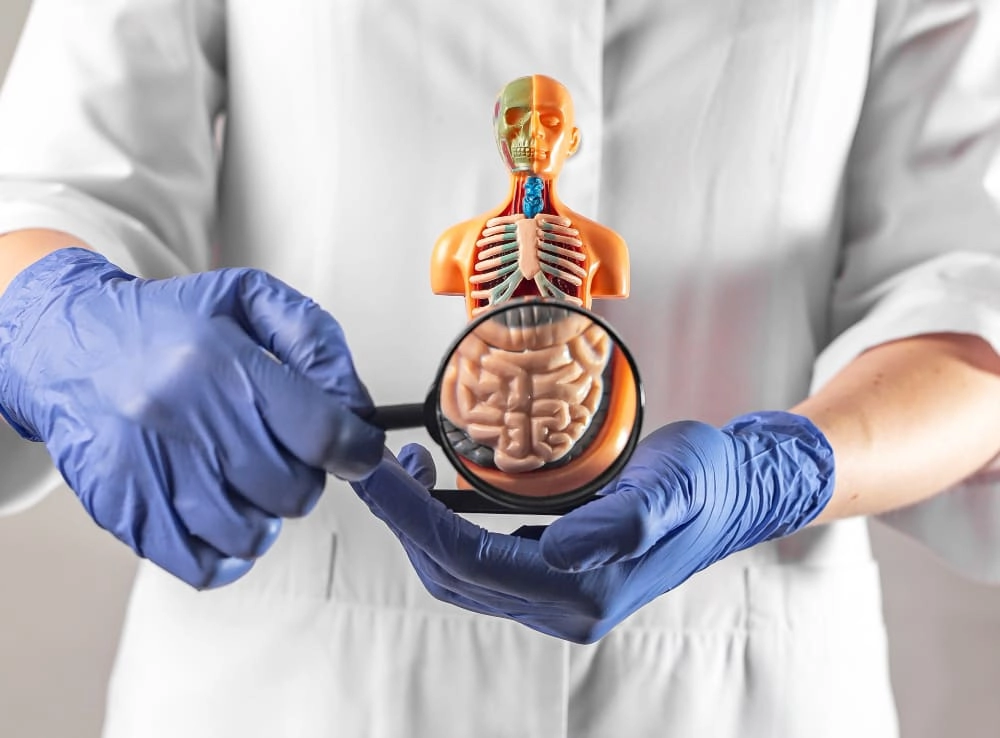
Colonoscopy Results
A colonoscopy can yield various results depending on the purpose of the test and what is found during the examination. In general, the test is performed to detect the presence of colon cancer, polyps, and other colon conditions; as such, the results can indicate whether or not these conditions are present.
If polyps are detected during the test, samples may be taken for biopsy to determine whether or not they are cancerous.