Chemotherapy
It is one of the most frequently used treatments in the fight against cancer. Chemotherapy works mainly in two ways: the first, being administered as a primary method of cure; the second, as an adjuvant option after the patient has undergone other therapeutic or surgical techniques.
All about chemotherapy
A safe and comfortable oncology infusion center
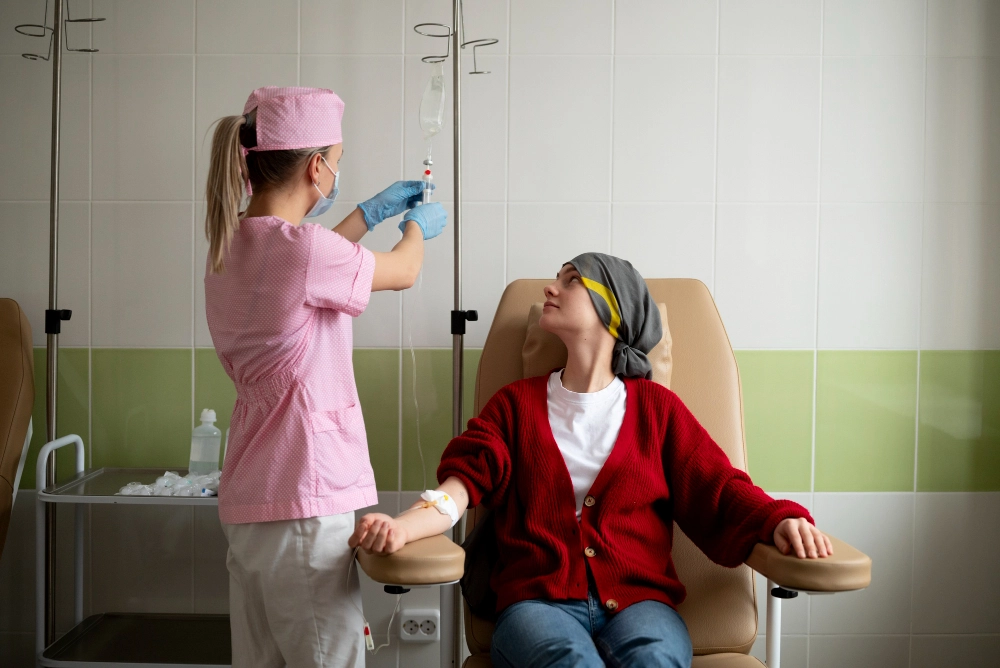
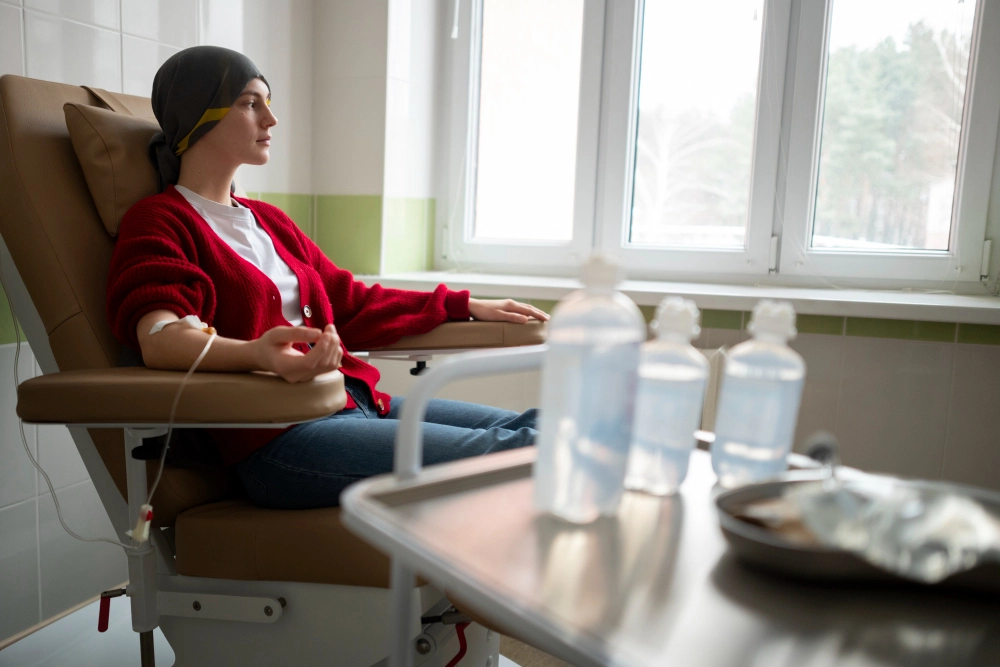
Chemotherapy sessions are very challenging for patients, so we have created a welcoming clinical environment to make the patient experience as tolerable as possible.
The efficacy of chemotherapy varies depending on the particular recovery conditions of each patient.
The main objective of chemotherapy is to eradicate or at least "control the disease" in order to improve the quality of life of the cancer patient.

Anticancer drugs
Chemotherapy is composed of one or more types of anticancer drugs, which are intended to attack the abnormal cells that cause cancer.

Side effects
Enduring a course of chemotherapy is not easy, but it is not impossible. Our specialists will provide you with real, up-to-date information on what to expect from such a treatment.

The Specialist
Our oncology experts have the knowledge and professional expertise to develop a treatment schedule, doses and drugs tailored to each patient's needs.
How does cancer chemotherapy work?
During chemotherapy, the physician administers to the patient a combination of drugs (usually intravenously) that travel through the bloodstream until they reach the nucleus of the cancer cells to attack them.
One of the main advantages of chemotherapy is that since it flows through the blood, it can act effectively on most cancers in the human body.
The chemotherapy sessions to which the patient must be submitted are programmed according to the type of cancer, its aggressiveness, the drugs to be used and the patient's own physical conditions.
Cancer treatment
Chemotherapy is a very common treatment against different types of cancer, having a good level of effectiveness in eliminating cancer cells, as well as in restricting the growth of new abnormal cells.
Although chemotherapy is stigmatized for its multiple side effects (fatigue, vomiting, nausea, hair loss, among others), the benefits have long been scientifically proven.
Relief of cancer symptoms
This systemic treatment can alleviate most of the symptoms of cancer by considerably reducing internal damage, especially in patients suffering from tumors or ulcerations that cause pain or other problems on a regular basis.
When the cancer is in advanced stages, chemotherapy can be used for palliative purposes; it is intended to reduce symptoms in patients with metastases.
Who is given chemotherapy?
Chemotherapy is mainly intended for the treatment of different types of cancer; therefore, it is administered to people with this disease in any of their organs. However, it is currently being recognized in the medical field as a promising alternative for the treatment of neoplasms located in the bone marrow and in disorders of the immune system at lower doses.
As we mentioned at the beginning, chemotherapy is useful to cure cancer by itself; but it can also be applied after other primary oncological options, thus destroying the cancer cells that have remained hidden in or near the affected area.
How is chemotherapy used with other treatments?
A patient who has undergone surgery may need short or moderate cycles of chemotherapy to eliminate the traces of cancer that may remain around the affected area. Another of its applications is neoadjuvant therapy, where the aim is to shrink a tumor so that treatments such as radiation or surgery have better results in the future.
Can chemotherapy cause side effects?
Yes, chemotherapy is effective, but it is also aggressive; this results in some side effects for the duration of the treatment; the good news is that many of them are completely treatable.
The most frequent side effects are:
- Hair loss.
- Lack of appetite.
- Nausea.
- Vomiting.
- Fatigue.
- Constipation.
- Fever.
- Diarrhea.
- Pain.
- Mouth ulcers.
- Bleeding.
- Hematomas.
All these symptoms usually disappear once the treatment is completed.
How does your doctor decide which chemotherapy drugs to give you?
The choice of the drugs to be used is not a simple task for the oncologist; first the physician must evaluate the type of cancer, the current stage, how the patient's health is, whether there is previous treatment for the disease and, of course, what the patient's expectations are. From there, both will be able to jointly evaluate the pros and cons of each option until finally choosing the most suitable one according to the case.
How long do chemotherapy sessions last?
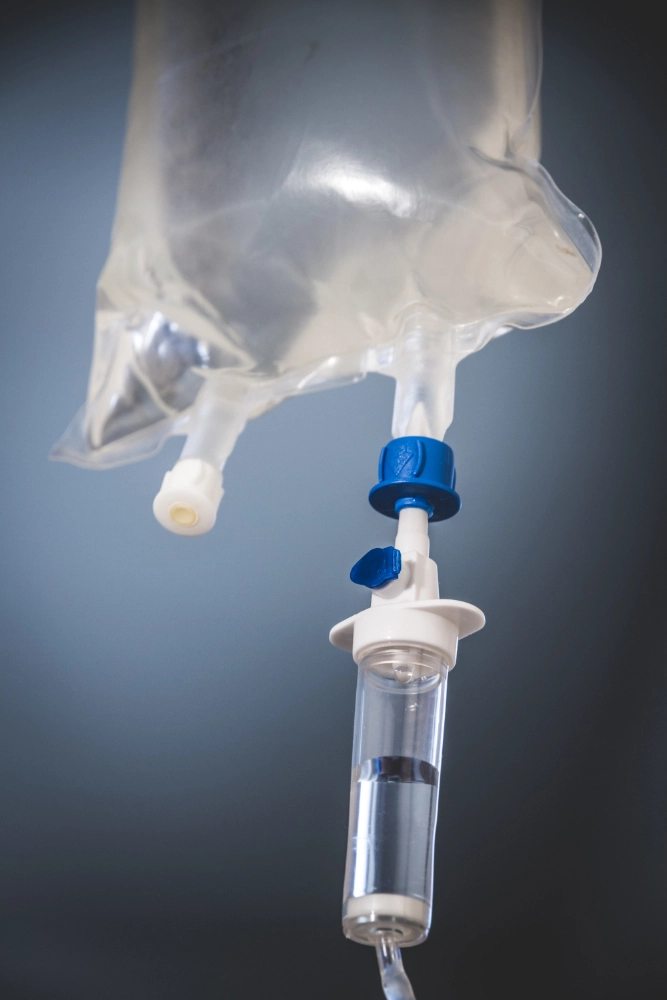
The duration of each session is calculated by the oncologist based on the type of treatment, size and aggressiveness of the cancer.
Generally, the shortest periods may last between 15 and 30 minutes; however, there are other intravenous infusions that may extend for more than 6 hours.
The frequency of treatment is determined by the physician, and may be continuous or in alternate periods so that the patient has a prudent rest period.
Types of chemotherapy
Chemotherapy can be used for different therapeutic purposes, depending on its purpose and the multiple pharmacological combinations that are combined in the same treatment; therefore we can say that chemotherapy varies according to:
- The purpose for which it is administered, whether as an adjuvant, neoadjuvant, induction or radiochemotherapy method.
- The form of administration: Where we can find monotherapy (a single drug), simultaneous polychemotherapy (which can combine several antineoplastic drugs at the same time) and sequential polychemotherapy (which alternates some drugs first and others later).
- Route of administration: This can be intravenous, regional or oral. Regional chemotherapy has the particularity of being divided into 2 types: intracavitary and intra-arterial (we will go into this subject in more detail later on).
- And finally, by the mechanism of action of the drugs; where both cytostatics (inhibitors of abnormal cell growth) and cytotoxic drugs (agents for the elimination of cancer cells) predominate. At this point, the particular medical approach is essential to establish specific actions in order to recover the patient's health.
- Intracavitary Chemotherapy
It is a type of regional treatment that is administered directly into the cavity that has been affected by a tumor. This infusion technique is used in special cases; it can be pointed out punctually:
- Intravesical (bladder) chemotherapy.
- Intrapleural (lung) chemotherapy.
- Intraperitoneal (abdominal cavity) chemotherapy.
- Intradural (spinal cord) chemotherapy.
- Intra-arterial chemotherapy
In intra-arterial chemotherapy, drugs are injected through a catheter into the artery that carries the blood supply to a malignant tumor; it is recommended in advanced or large neoplasms.
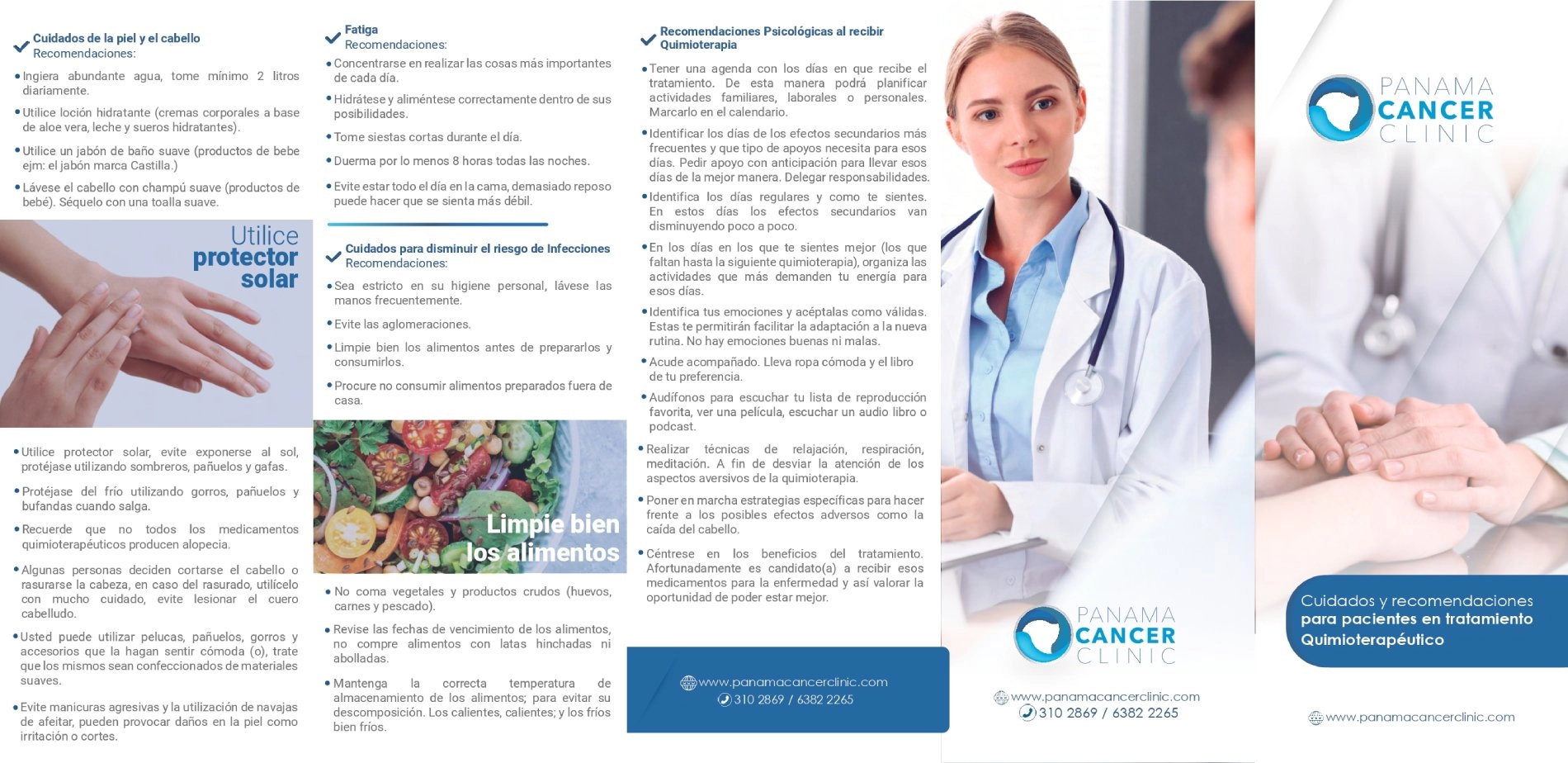
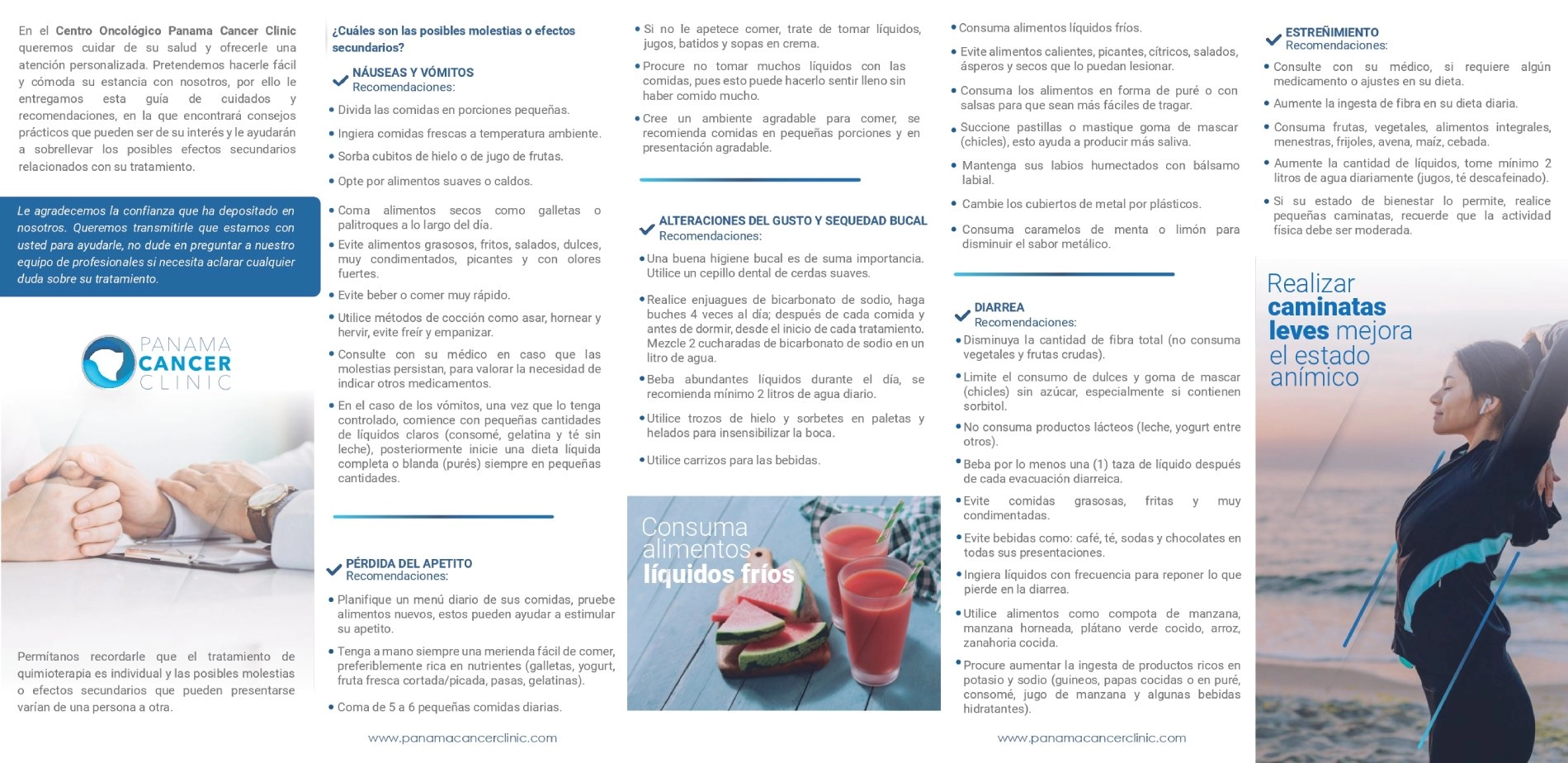
Download our Recommendations Guide