Bladder Cancer
Unlike other more deadly and invasive cancers, bladder cancer is one of the types with the best chance of survival. We invite you to take advantage of these statistics! With timely diagnosis and treatment you may be able to successfully overcome it.
Early detection is the key to surviving bladder cancer
Our clinic is a space specially designed for the multidisciplinary approach of oncology patients, taking care of their physical and mental health. First class specialists are waiting for you to thoroughly evaluate your case and offer you the most innovative and effective solutions in the treatment of bladder cancer.

Bladder cancer accounts for approximately 2.3% of all cancers.

Thanks to the early appearance of its clinical manifestations, it is possible to detect it in time.

Diagnosis and Staging
The bladder is an organ made up of 4 layers, identifying the internal growth of the tumor and how many layers it has affected is essential to find the appropriate treatment.

General Welfare
You are not alone in the fight against bladder cancer. At Panama Cancer Clinic we have professionals in oncological psychology who will go hand in hand with you to prevent negative feelings from interfering in the process.

The Specialist
Our oncologists dedicate body and soul to each case; therefore, they demand more and more from themselves in order to provide their patients with the best results.
What is bladder cancer?
It is a type of cancer that originates from the uncontrolled growth of urothelial cells in the bladder; these cells have the capacity to progressively develop into a malignant tumor. Without treatment, bladder cancer can also spread to other parts of the body.
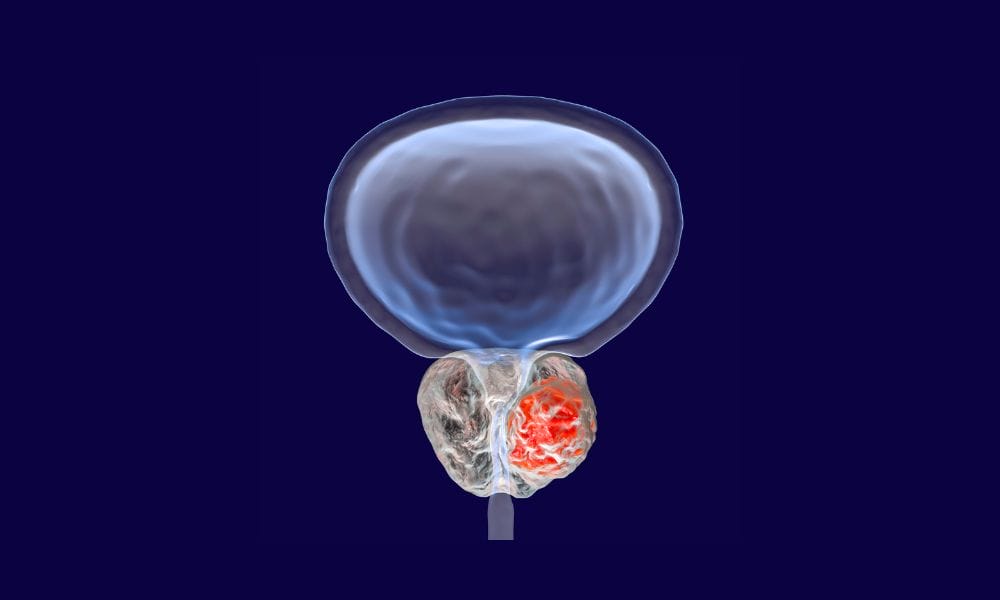
The bladder is an organ located in the lower abdomen, very close to the pelvis. In this hollow cavity the urine that comes from the kidneys is stored until the liquid is finally discarded from the body.
Types of bladder cancer
Although bladder cancer occurs most frequently in urothelial cells, there are other cells that can also cause neoplasia. In this regard, the main types of bladder cancer are:
Urothelial carcinoma
It is cancer that begins in the urothelial cells of the inner lining of the bladder, urethra or ureters. It is the most common type and the one that most affects the elderly.
Squamous cell carcinoma
It is a rare epithelial neoplasm that appears in squamous cells; the presence of this type of cancer is regularly associated with chronic bladder irritations, constant and prolonged use of urinary catheters and parasitic infections.
Adenocarcinoma
Only 1% of all bladder cancers are of this type. Adenocarcinoma arises in the cells that make up the mucus-secreting glands.
Stage 0 (Carcinoma in situ)
Early stage cancer shows superficially on the inner lining of the bladder.
Stage I
Tumor with dissemination in the internal tissue of the bladder, but which has not reached the muscular wall.
Stage II:
The bladder muscles are already compromised by cancer.
Stage III:
The cancer has spread to the muscle wall, to the tissue around the bladder and probably to the reproductive organs.
Stage IV:
In this last stage, the cancer has spread from the bladder to the abdominal wall, nearby lymph nodes, and even to other organs of the body further away.
Symptoms of bladder cancer
Bladder cancer manifests its first symptoms from the early stages; fortunately, most cases are diagnosed early. Symptomatology of bladder cancer may include:
Frequent and painful urination.
Lower back pain.
Abdominal pain.
Unreasonable weight loss.
Fatigue.
Presence of blood in the urine.
Lack of appetite.
The urge to urinate without being able to do so.
Contact us at
. Schedule an appointment
Request a consultation

Risk Factors
Factors that increase the risk of bladder cancer include:
Age:
The risk of this disease increases with age, with people over 55 years of age being the most prone.
Sex:
Although bladder cancer can develop in both men and women, men tend to be the most affected.
Smoking:
Smoking causes traces of harmful substances to accumulate in the urine, which increases the risk of bladder cancer.
Exposure to other chemicals:
Arsenic and many other chemicals used in the manufacture of industrial products are closely related to bladder cancer.
Family history:
People with blood relatives who have had bladder cancer are more likely to develop the disease.
Chronic inflammation of the bladder:
Parasitic infections such as schistosomiasis and recurrent inflammation (cystitis) are triggers for squamous cell cancer.
Previous oncological treatments:
People who have been exposed to radiation from other previous treatments are at an increased risk of bladder cancer.
Screening tests
The diagnosis of bladder cancer can be made through:
Cystoscopy:
In cystoscopy of the bladder, a special instrument called a cystoscope is inserted through the male or female urethra to access the bladder and examine its interior.
Biopsy:
During the same cystoscopy, samples of bladder tissue may be removed for examination by a pathologist.
Urine samples:
In urine cytology, the collected urine sample is viewed under a microscope to check for cancer cells.
Treatments for bladder cancer
The treatment method to be used in bladder cancer is determined based on several factors, including: type of cancer, stage, grade, patient's health status, personal preferences, among others.
For these reasons, treatment of bladder cancer may include one or more of the following options:
Surgery
Surgical procedure in which the cancerous tumor is removed.
Intravesical chemotherapy
Treatment used specifically for cancers still contained in the bladder lining, it is recommended in patients with rapid progression or with a high probability of recurrence.
Systemic chemotherapy
Unlike intravesical (bladder only) chemotherapy, systemic chemotherapy travels throughout the body. This type of chemotherapy is generally used after surgery or as an initial treatment before resorting to surgery.
Radiation Therapy
It is a primary treatment that seeks to eliminate the cancerous cells before evaluating more invasive surgical alternatives.
Immunotherapy
The application of immunotherapy is carried out with the purpose of activating and strengthening the patient's immune system, so that the patient's own body can fight the cancer.
Targeted therapy
This method is one of the latest treatment options for advanced stage bladder cancer. In targeted therapy, drugs are administered intravenously that will act directly on the malignant cells.


How to prevent bladder cancer?
There is no magic formula to prevent cancer; however, there are actions that can be avoided to reduce the risk of suffering the disease, among them we can mention:
Avoid tobacco in all its forms.
Do not expose yourself to chemicals without proper safety equipment.
Consume enough water.
Include large amounts of fruits and vegetables in your diet.