Immunotherapy
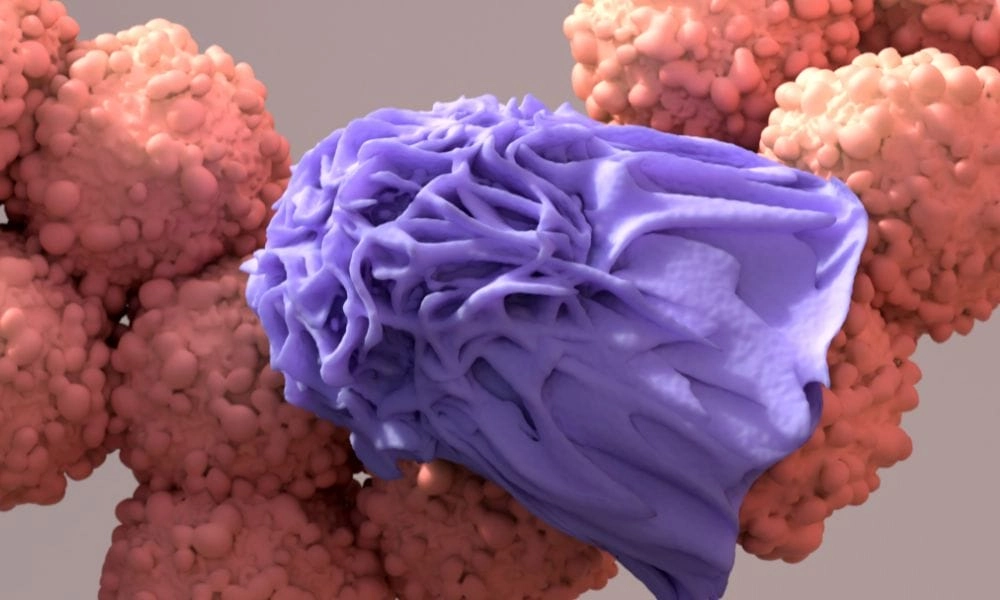
Immunotherapy is a type of cancer treatment that uses the body's immune system to fight cancer cells. It works by stimulating the immune system to recognize and attack cancer cells more effectively.
Cancer treatment
A unique approach to cancer treatment
This therapeutic approach aims to harness, manipulate, and boost the body's ability to attack and eliminate tumor cells. Our oncology specialists know exactly how to maximize the benefits of this treatment.
Immunotherapy offers significant advantages, including: a more targeted approach, long-lasting responses, fewer serious side effects, and the possibility of being combined with other cancer treatments.
To determine whether immunotherapy is appropriate, the oncologist considers the type of cancer, the patient's health status, and other individual factors.


Efficiency
The efficacy of immunotherapy has been proven in the treatment of several types of cancer, making it a promising option for patients with various diagnoses.

Side Effects
Although immunotherapy may have side effects, these are usually different from those associated with chemotherapy and radiation therapy, and are generally less severe.

The specialist
It is essential to have the support of oncologists who specialize in this type of treatment, since immunotherapy is a field that is evolving globally and encompasses a wide range of therapeutic options.
How does cancer immunotherapy work?
Immunotherapy targets cancer cells more specifically, which reduces damage to healthy cells compared to other treatments such as chemotherapy.
This innovative cancer treatment has been shown to produce long-lasting responses, allowing the immune system to continue fighting cancer cells even after treatment has ended.
Types of Immunotherapy
Our oncologists have the knowledge and experience necessary to successfully administer the following immunotherapy treatments:
Monoclonal Antibodies
Our oncologists have the knowledge and experience necessary to successfully administer the following immunotherapy treatments:
Immune Checkpoint Therapies
These drugs block proteins that suppress the immune response, allowing the immune system to attack cancer cells more effectively.
Cancer Vaccines
Through specific vaccines, it is possible to stimulate the immune system to recognize and fight cancer cells.
For whom is immunotherapy recommended?
Immunotherapy is recommended for patients with certain types of cancer, such as melanoma, lung cancer, and kidney cancer, among others. However, not all patients are candidates for this treatment, so it is important to consult with a specialist to determine whether the treatment is appropriate.
How is immunotherapy used in combination with other treatments?
As for combining it with other cancer treatments, immunotherapy can be used in conjunction with chemotherapy, radiation therapy, surgery, or other specific cancer treatments. This combination can enhance the effectiveness of the treatment and provide more comprehensive options for fighting the disease.
Can immunotherapy cause side effects?
Immunotherapy causes certain side effects, which may vary depending on the type of treatment used. Some of these include:
- Fatigue.
- Skin rashes.
- Diarrhea.
- Flu-like symptoms.
It is important to report any side effects you experience during treatment to your doctor.
How long does immunotherapy treatment last?
The duration of immunotherapy treatment varies considerably depending on the type of cancer being treated, the patient's health status, and the patient's individual response to the drugs.
In some cases, immunotherapy may be administered for a limited period of time, such as a few weeks or months; in other cases, long-term therapy may be necessary. Immunotherapy can be used continuously, intermittently, or in combination with other cancer treatments.