HPV Vaccines
Statistics show that oral HPV infections decreased by 85% among young people who received as few as one dose of the HPV vaccine.
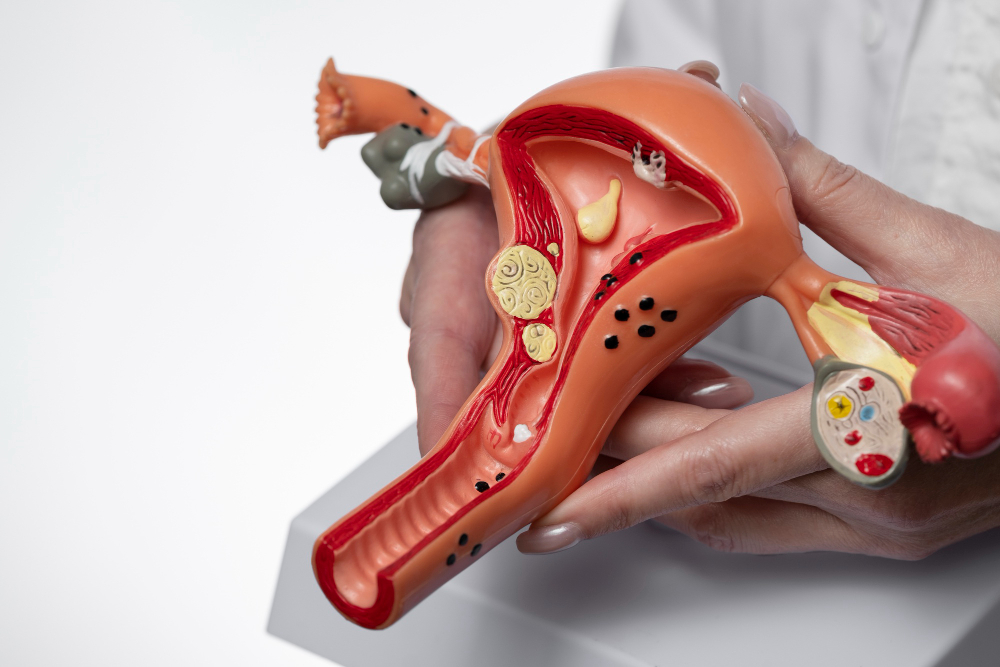
About 90% of cervical cancer cases are linked to the human papillomavirus, which is one of the most common sexually transmitted infections today.
Approximately 300 million doses of the HPV vaccine have been administered worldwide since its approval in 2006. Vaccinations for children and young people are intended to minimize the number of cases of cervical cancer and other diseases caused by the virus.
What disease does the HPV vaccine prevent?
HPV does not only affect the cervix; it is known that the virus can contribute to the development of other types of cancer, such as cancer of the mouth, throat, penis, anus, vagina, and vulva.
Vaccination with HPV vaccines has been shown to provide nearly 100% protection against infections, genital warts, and certain precancerous lesions caused by the human papillomavirus; for this and other reasons, it is widely recommended by physicians and experts around the world.
Types of HPV Vaccines
HPV has about 15 proven high-risk oncogenic genotypes, which are: HPV 16, 18, 31, 33, 35, 35, 45, 51, 52, 56, 56, 58, 59, 59, 68, 73, 82. Of these, it is estimated that 70% of cervical cancers are caused by genotypes 16 and 18.
To date, there are three commercially available vaccines for HPV prevention:
Cervarix®: A bivalent vaccine that provides protection against genotypes 16 and 18.
Gardasil®: A quadrivalent vaccine that protects against the most common genotypes (6, 11, 16, and 18).
Gardasil® 9: A boosted, broadly effective vaccine that protects against infection with 9 types of HPV (6, 11, 16, 18, 31, 33, 45, 52, and 58).
Gardasil®.
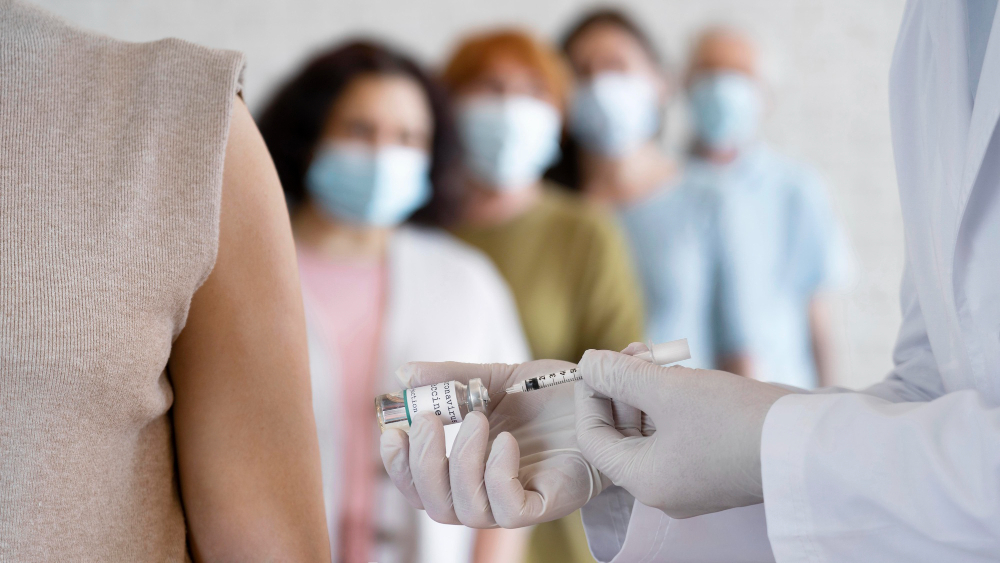
Gardasil® is a vaccine indicated for the prevention of diseases associated with human papillomavirus, particularly genotypes 6, 11, 16, and 18. It is important to note that vaccination with Gardasil® does not serve as a treatment for people who have previously contracted HPV.
Composition
Highly purified, non-infectious protein from human papillomavirus type 6.
Highly purified, non-infectious protein from human papillomavirus type 11.
Highly purified, non-infectious protein from human papillomavirus type 16.
Highly purified, non-infectious protein from human papillomavirus type 18.
Amorphous aluminum hydroxyphosphate sulfate (adjuvant).
Sodium Chloride.
Histidine.
Polysorbate 80.
Borax.
Water.
Recommendations
Gardasil® has been shown to be an effective vaccine in preventing diseases caused by HPV types 6, 11, 16, and 18, benefiting women between the ages of 16 and 45 and men between the ages of 16 and 26.
To increase the vaccine's effectiveness and stimulate the production of antibodies against the virus, vaccination is recommended for children and adolescents between the ages of 9 and 15.
Gardasil® 9
It could be said that Gardasil® 9 is an improved version of Gardasil®. In addition to preventing people from contracting the two genotypes most closely linked to cervical cancer, this vaccine also protects against the oncogenic types 6 and 11 (which cause 90% of genital warts) and five other genotypes that cause cancer.
Composition
Highly purified, non-infectious protein from human papillomavirus type 6.
Highly purified, non-infectious protein from human papillomavirus type 11.
Highly purified, non-infectious protein from human papillomavirus type 16.
Highly purified, non-infectious protein from human papillomavirus type 18.
Highly purified, non-infectious protein from human papillomavirus type 31.
Highly purified, non-infectious protein from human papillomavirus type 33.
Highly purified, non-infectious protein of human papillomavirus type 45.
Highly purified, non-infectious protein of human papillomavirus type 52.
Highly purified, non-infectious protein from human papillomavirus type 58.
Amorphous aluminum hydroxyphosphate sulfate (adjuvant).
Sodium Chloride.
Histidine.
Polysorbate 80.
Borax.
Water.
Recommendations
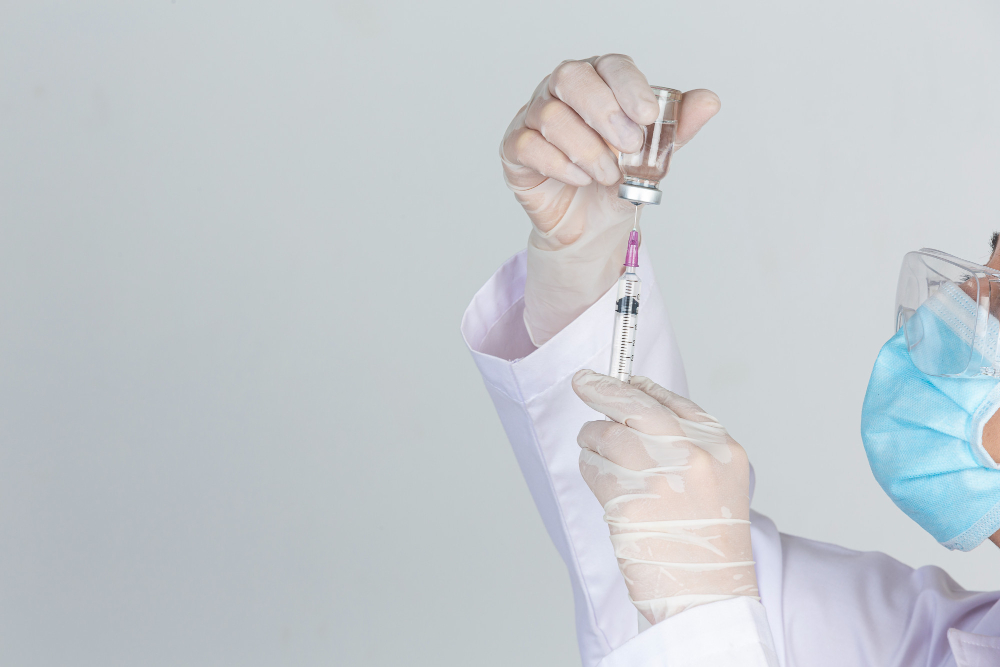
Gardasil® 9 has been tested in women aged 9 to 45 and men aged 9 to 26, showing satisfactory results in protecting against the nine most common HPV genotypes.
Vaccination with Gardasil® 9 is completely safe for boys and girls aged 9 and older, following a 3-dose vaccination schedule.
Cervarix
This vaccine works directly to protect against HPV genotypes 16 and 18, the main precursors of cervical cancer. Cervarix® is a preventive medication, so it does not have any curative effect in people infected with HPV.
Composition
Highly purified, non-infectious protein from human papillomavirus type 16.
Highly purified, non-infectious protein from human papillomavirus type 18.
Monophosphoryl Lipid A.
Aluminum hydroxide.
Sodium chloride.
Sodium dihydrogen phosphate dihydrate.
Water.
Recommendations
Cervarix® is indicated for the prevention of HPV in boys and girls aged 9 years and older.
HPV Vaccine for Girls
Since its approval in 2006, at least 70 countries around the world have included the HPV vaccine as part of their national immunization schedules. Australia was one of the first countries to join this initiative, launching a school-based vaccination program in 2007 for girls aged 12 to 13. In Spain, 12-year-olds have been vaccinated free of charge since 2008.
Although we must admit that this topic remains controversial, numerous studies have shown that HPV vaccines are one of the safest and most effective ways to prevent this and other diseases in the future.
Do all adults need to be vaccinated against HPV?
Generally, HPV vaccination is recommended at an early age (9–12 years) to boost the immune response to the virus and maximize the benefits before becoming sexually active. However, young adults who have not been vaccinated can receive the vaccine up to age 26.
Individuals over the age of 27 who are interested in the HPV vaccines should discuss this with their doctor, as factors such as age and exposure to the virus are important determinants of vaccine efficacy.
Frequently Asked Questions - HPV Vaccine
Although HPV vaccines may sometimes offer a minimal level of protection to an infected person, you should be aware that the HPV vaccine cannot cure existing infections.
Yes, vaccinated women should continue to have regular checkups to rule out infections or other conditions not related to the HPV vaccine.
It is recommended that pregnant women wait until after giving birth to get the HPV vaccine. If you suspect you may be pregnant, confirm the diagnosis before starting the vaccination series.
Some private insurance plans cover the full cost of HPV vaccines, while others cover them through a reimbursement option; for this reason, we recommend that you verify this information directly with your health insurance advisor.
We cannot say that there is a specific upper age limit for HPV vaccination. However, it is important to note that the goal of the vaccine is to protect people from the human papillomavirus starting with their first sexual encounter; that is why it is most effective in children and adolescents.
Children who begin the vaccination series before age 15 may achieve full protection with just two doses. On the other hand, those who receive the vaccine after age 15 will need the full three-dose vaccination series.
Since their approval, HPV vaccines have been the subject of hundreds of safety and efficacy studies; to date, no serious side effects or adverse reactions have been reported.
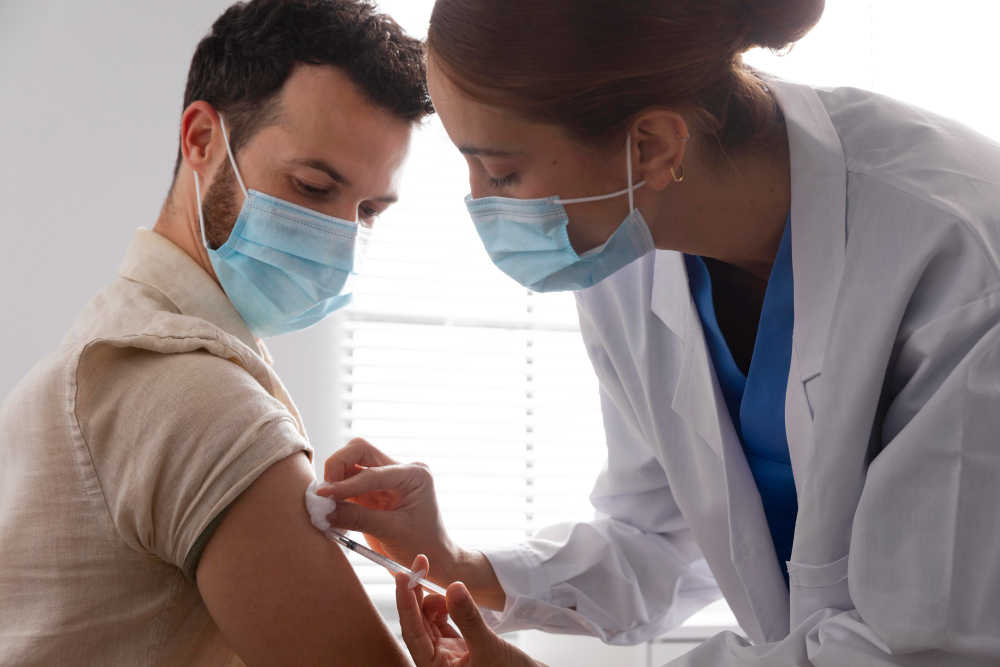
In these situations, it is common for patients to experience the usual discomfort of an injection in the arm or brief episodes of fainting due to nerves.