Lymph Node Biopsy
A medical procedure in which tissue is removed from a lymph node for further analysis.
CONTACT USAdvanced and Accurate Diagnostics for Your Health
This test is performed to diagnose diseases such as cancer and to determine whether cancer cells have spread through the lymphatic system. Its results are an important step in diagnosing the patient and selecting the appropriate treatment.
A lymph node biopsy is highly effective, especially in determining the extent and staging of certain types of cancer.
The experience of pain during a lymph node biopsy may vary depending on individual sensitivity and the type of biopsy performed.
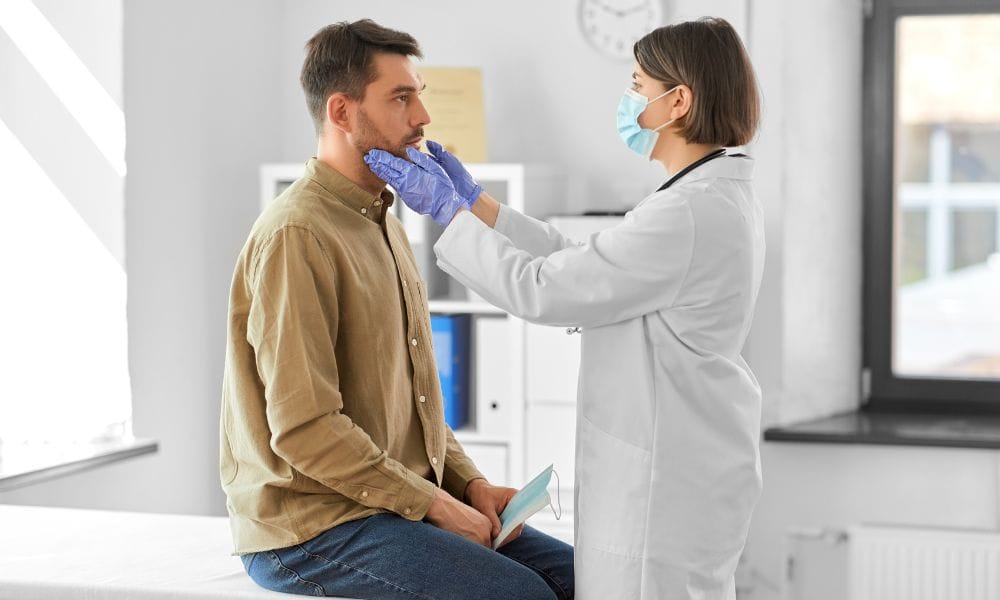

The Procedure
A lymph node biopsy provides crucial information on disease progression and possible spread to other parts of the body, which is critical for clinical decision-making.

The Results
The result of a lymph node biopsy may be positive if cancer cells are found, or negative, indicating the absence of malignant cells in the nodes analyzed.

The Specialist
Our pathology experts will devote their full attention to analyzing the sample in order to provide a highly reliable result.
How Is a Lymph Node Biopsy Performed?
Lymph node biopsies can be performed in various ways. Options include: fine-needle biopsy, core-needle biopsy, open (surgical) biopsy, and sentinel lymph node biopsy, depending on the location and purpose of the biopsy. Each method has its own specific techniques and considerations and is selected based on the patient’s diagnostic needs.
Fine-Needle Biopsy
A thin needle is used to remove cells or tissue from a lymph node.
Core Needle Biopsy
Although similar to a fine-needle biopsy, this procedure uses a thicker needle to obtain a larger tissue sample.
Open Biopsy (Surgical)
An incision is made to remove one or more lymph nodes.
Sentinel Lymph Node Biopsy
The "sentinel" lymph node closest to the tumor is identified and removed.
How to Prepare for a Lymph Node Biopsy?
Before a lymph node biopsy, it is important to follow your doctor's instructions—which may include everything from dietary restrictions to medications—in the days leading up to the test.
It is also crucial to inform the doctor of any allergies or medical conditions in order to avoid complications.
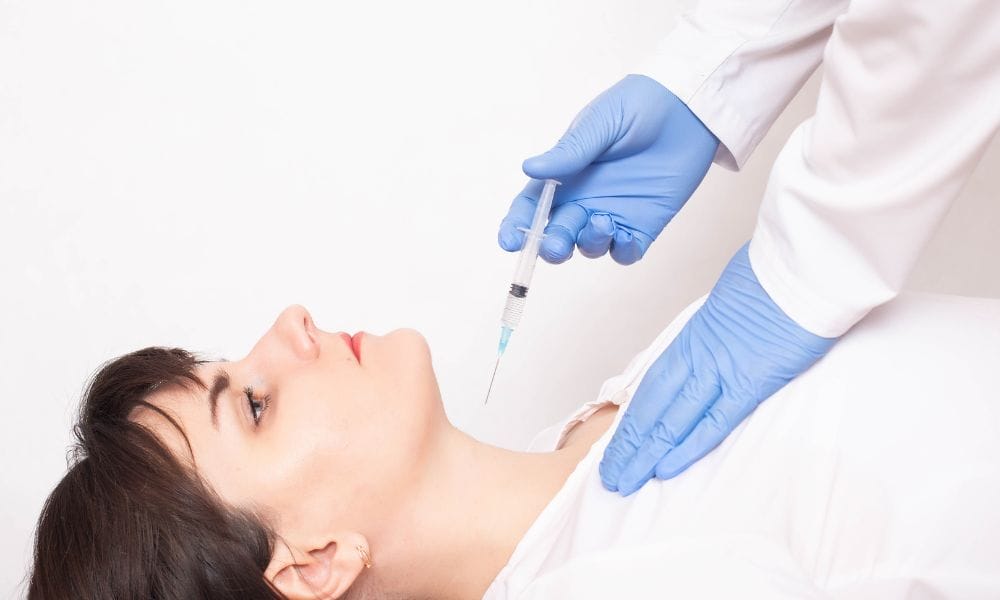
Benefits
The benefits of a lymph node biopsy include:
- Greater accuracy in the diagnosis of diseases such as cancer.
- Identification of the current stage of the disease.
- Planning the appropriate treatment based on the results obtained.
Cervical Lymph Node Biopsy Results
The results of a lymph node biopsy may vary. A negative result means that no pathological changes were observed in the sample; therefore, there are no cancer cells present. A positive biopsy result confirms the presence of cancer cells in the lymph nodes.

FAQs
A lymph node biopsy can be performed under local or general anesthesia, depending on the type of biopsy and the patient's preference.
Recovery time after a lymph node biopsy can vary, but generally, a full recovery can be expected within a few weeks.
Side effects of a lymph node biopsy may include:
- Pain at the biopsy site.
- Swelling.
- Bruises.
- Risks associated with anesthesia and/or the procedure.