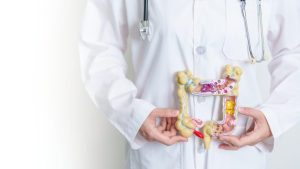
Nutrition plays a crucial role in both the prevention and treatment of cancer. Maintaining a balanced and nutritious diet can help reduce the risk of developing cancer and improve the quality of life for those already undergoing treatment.
Research has shown that certain dietary habits can reduce the likelihood of developing cancer. For example, regular consumption of fruits and vegetables—which are rich in antioxidants and phytochemicals—can protect cells from free radical damage and reduce inflammation, both of which are associated with the development of cancer. In addition, a diet low in processed meats and high in fiber may reduce the risk of colorectal cancer.
A diet rich in antioxidants
Antioxidants are compounds that help protect our cells from damage caused by free radicals. Free radicals are unstable molecules that can cause cell damage and contribute to the development of cancer. Foods rich in antioxidants include fruits and vegetables, green tea, dark chocolate, and certain types of legumes. Studies have shown that a diet rich in antioxidants may help reduce the risk of certain types of cancer, although more research is still needed to confirm these effects.

Avoiding Risk Factors
Obesity, tobacco use, and alcohol consumption are well-known risk factors for the development of cancer. A balanced diet rich in fruits and vegetables can help maintain a healthy weight and reduce these risks. In addition, limiting alcohol consumption and avoiding tobacco are crucial preventive measures.
You may be interested in: Myths and Realities About Carcinogenic FoodsNutrition During Cancer Treatment
Cancer treatment, which includes chemotherapy, radiation therapy, and surgery, is often accompanied by side effects that can affect a patient's nutrition. These side effects can include loss of appetite, nausea, vomiting, dry mouth, mouth sores, changes in the taste of food, and difficulty swallowing.
Proper nutrition can help manage these side effects and improve the patient's quality of life.
- Loss of appetite: For those experiencing a loss of appetite, it may be helpful to eat small, frequent meals, focus on high-calorie, high-protein foods, and avoid foods that cause nausea.
- Nausea and vomiting: Eating soft, easily digestible foods, such as crackers, toast, and rice, may help reduce nausea. It is also helpful to avoid fatty, fried, or very sweet foods.
- Dry mouth and mouth sores: Staying well-hydrated and eating soft, moist foods, such as purees and soups, may be helpful. Mouthwashes can also be used to relieve dry mouth.
Sarcopenia and Cancer

Sarcopenia, a condition characterized by loss of muscle mass, is common among cancer patients. This condition can reduce a patient's ability to tolerate aggressive treatments such as chemotherapy and radiation therapy, and can lead to a reduced quality of life and lower survival rates. It is crucial to maintain a diet rich in protein and calories to combat sarcopenia. Foods such as lean meats, fish, eggs, dairy products, and legumes are excellent sources of protein that can help maintain muscle mass.
Specific dietary recommendations
In the context of cancer, proper nutrition is not only about eating healthy foods, but also about adapting the diet to the specific needs and challenges patients face during treatment. Below are specific dietary recommendations designed to address the side effects of cancer treatment, maintain strength and body weight, and optimize recovery and quality of life. These recommendations are supported by research and clinical practices that underscore the importance of personalized and appropriate nutrition for each stage of cancer treatment.
Protein and Energy
During cancer treatment, the body's protein and calorie needs increase due to the additional energy required to repair tissues and fight infection. It is vital to include a variety of protein sources in the diet, such as lean meats, fish, eggs, dairy products, beans, and nuts. Protein is essential for tissue repair and maintaining muscle mass.
Hydration and Micronutrients
Adequate hydration is critical for everyone, but especially for cancer patients, as it helps prevent dehydration and maintain kidney function, particularly during treatments that can be hard on the kidneys. Drinking enough water, broths, and juices can help maintain adequate hydration. In addition, micronutrients such as vitamins and minerals are crucial for supporting overall health and the immune system. Fruits, vegetables, nuts, and seeds are excellent sources of these essential nutrients.

Nutrition plays a vital role in the prevention and treatment of cancer. Maintaining a balanced and adequate diet can help reduce the risk of developing cancer and improve the quality of life for patients undergoing treatment. At our clinic, we offer personalized nutritional support to help our patients design a meal plan that is tailored to their specific needs and helps them better cope with their treatment.
At Panama Cancer Clinic, we have a team of nutritionists specializing in oncology who can work with you to develop a personalized nutrition plan. Our goal is to support you at every stage of your cancer treatment, ensuring that you receive the nutrients you need to stay strong and healthy. Feel free to contact us for more information and to schedule a consultation.
Meet our Medical Specialists