Every year on May 17, World Hypertension Day is commemorated, a date that seeks to raise awareness of one of the world's most prevalent and potentially dangerous health conditions. It is essential to highlight the importance of this day to promote the prevention, diagnosis and proper treatment of hypertension.
What is Hypertension?
Hypertension, also known as high blood pressure, is a condition in which the force exerted by the blood against the walls of the arteries is consistently too high. It is diagnosed when a person has a blood pressure greater than 140/90 mm Hg on repeated measurements. This condition is known as the "silent killer" because many people have no symptoms until the disease has advanced considerably, causing significant damage to vital organs.
Causes of Hypertension
Hypertension can be primary (essential) or secondary. Primary hypertension has no identifiable single cause and develops gradually over time. Secondary hypertension, on the other hand, is caused by an underlying condition, such as kidney disease, hormonal problems, or the use of certain medications.
Risk Factors
Risk factors for developing hypertension include:
- Genetics: A family history of hypertension increases the risk.
- 2. Age: The risk of hypertension increases with age.
- 3. Race: People of African descent have a higher risk of hypertension.
- 4. Obesity: Excess weight requires the heart to work harder to pump blood, which increases blood pressure.
- 5. Sedentary lifestyle: Lack of physical activity can lead to weight gain and increased blood pressure.
- 6. High sodium diet: Consuming too much sodium (salt) can raise blood pressure.
- 7. Alcohol consumption: Excessive alcohol consumption can cause a temporary and prolonged increase in blood pressure.
- 8. Stress: High levels of stress can lead to a temporary increase in blood pressure.
Consequences of Hypertension
Uncontrolled hypertension can have devastating effects on the body. Below are some of the more serious complications:
Cardiovascular disease
Hypertension is one of the main risk factors for developing cardiovascular diseases, such as coronary heart disease, myocardial infarction and heart failure. Increased blood pressure damages the arteries, making them stiffer and narrower, which can lead to reduced blood flow to the heart and other organs.
Stroke
A cerebrovascular accident, or stroke, occurs when blood flow to a part of the brain is interrupted. High blood pressure can cause an artery in the brain to burst or cause clots to form, both of which can lead to a stroke.
Renal Damage
The kidneys filter waste from the blood, and hypertension can damage the blood vessels in the kidneys, reducing their ability to remove waste and excess fluid from the body. This can lead to a buildup of waste products in the blood, which is dangerous and may require dialysis or kidney transplantation.
Vision problems
Hypertension can damage the blood vessels in the eyes, causing hypertensive retinopathy. In severe cases, it can cause vision loss.
Aneurysms
High blood pressure can weaken artery walls, which can lead to the formation of aneurysms. If an aneurysm ruptures, it can be a life-threatening medical emergency.
Prevention and management of hypertension
The good news is that hypertension can be preventable and manageable. Here are some key tips to take care of your heart and maintain a healthy blood pressure:
Healthy eating
Adopting a balanced, low-sodium diet is essential. The DASH (Dietary Approaches to Stop Hypertension) diet is especially recommended. This diet focuses on consuming fruits, vegetables, whole grains, and low-fat dairy products, while limiting the intake of saturated fat, cholesterol, and sodium.
Regular physical activity
Regular exercise helps keep the heart and blood vessels in good shape. At least 150 minutes of moderate aerobic activity or 75 minutes of intense activity per week, combined with muscle-strengthening exercises, is recommended.
Weight control
Maintaining a healthy weight is crucial to preventing hypertension. Even a small weight reduction can have a significant impact on blood pressure.
Moderation in alcohol consumption
Excessive alcohol consumption can increase blood pressure. It is recommended to limit consumption to no more than one drink per day for women and two drinks per day for men.
Stress reduction
Chronic stress can contribute to increased blood pressure. Stress management techniques, such as meditation, yoga, deep breathing and other relaxing activities, may be beneficial.
Smoking cessation
Smoking not only temporarily raises blood pressure, but also damages the walls of blood vessels. Quitting smoking significantly improves cardiovascular health.
Regular blood pressure control
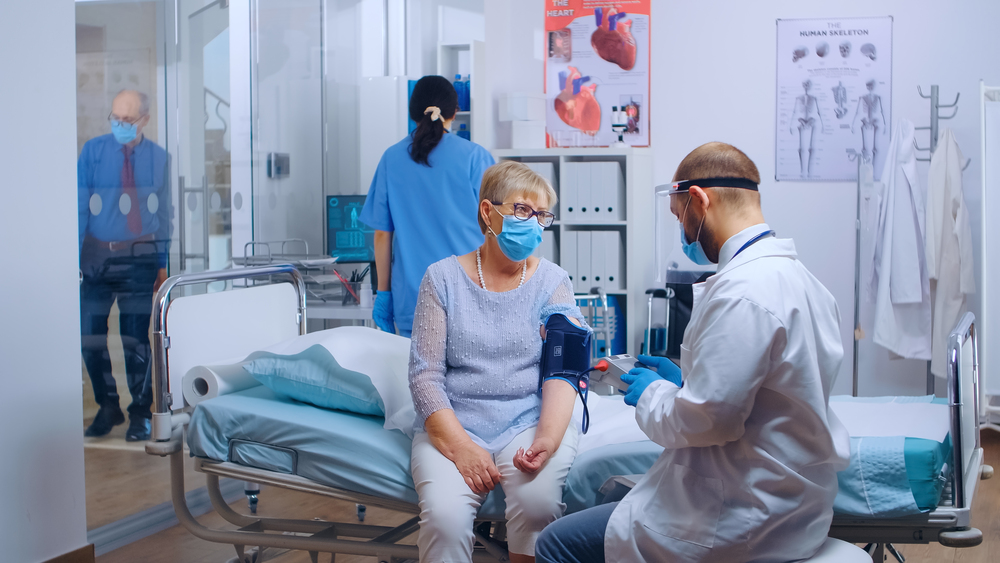
Regular monitoring of blood pressure at home and regular medical check-ups are essential for early detection and treatment of hypertension.

If prevention is not enough and hypertension is diagnosed, there are several treatment options that can help control the condition. Treatment often includes lifestyle changes, such as those mentioned above, and may require medication.
There are several types of medications used to treat hypertension:
- 1. Diuretics: They help eliminate excess sodium and water from the body.
- 2. Beta-blockers: They reduce the heart rate and the workload of the heart.
- 3. ACE (angiotensin-converting enzyme) inhibitors: Help relax blood vessels.
- 4. Angiotensin II receptor antagonists: Block the effects of a chemical that narrows blood vessels.
- 5. Calcium antagonists: They relax the muscles of the blood vessels.
- 6. Renin inhibitors: They reduce the production of an enzyme that increases blood pressure.
It is crucial to follow medical indications and not to abandon treatment without consulting the physician, even if blood pressure returns to normal levels.
Relationship between hypertension and cancer is an important consideration
Hypertension can be a risk factor for certain types of cancer, and some cancer treatments can increase the risk of developing hypertension. Therefore, it is critical that oncology patients remain vigilant about their blood pressure and work closely with their medical team to manage both conditions.
Some cancer treatments, such as chemotherapy and targeted therapies, can cause hypertension. Patients should be monitored regularly and, if necessary, treated for hypertension during their cancer therapy.
Cancer patients should follow the same lifestyle recommendations to prevent hypertension, tailored to their individual needs and capabilities. Constant communication between oncologists and their medical team is crucial to ensure a comprehensive approach to treatment.
This date provides an invaluable opportunity to reflect on the importance of maintaining healthy blood pressure and taking preventive measures. Hypertension is a silent but potentially life-threatening condition that affects millions of people worldwide. Through education, prevention and appropriate treatment, we can reduce its impact and improve the quality of life of those who suffer from it.
Taking care of your heart is essential not only to prevent cardiovascular disease but also to maintain good overall health. Adopt a healthy lifestyle, get regular checkups and work with your healthcare professionals to control and prevent hypertension. Today, and every day, take care of your heart: it is the engine of your life.
At Panama Cancer Clinic, we are here to help you prevent and control this disease and its risk factors.