At the crossroads of health and nutrition, the relationship between what we consume and the onset of diseases such as cancer has been the subject of research. In this special feature, we will discuss the most common myths, examine the evidence and provide guidance on how to make informed choices for health-promoting nutrition and cancer prevention.
Between food and health, the notion of carcinogenic foods has been the subject of numerous interpretations and misunderstandings. It is essential to clarify the myths surrounding these foods and to discern the fundamental realities in order to make informed decisions about our diet and its relationship to cancer risk. Let's begin by listing the most common myths associated with the relationship between food and cancer:
- Not all processed foods are carcinogenic; the key is the quality of ingredients and choosing options with minimal processing.
- Not all red meat is carcinogenic; moderation and choosing lean cuts can reduce the risks associated with cancer.
- The label "natural" does not guarantee safety; variety and moderation in the diet are fundamental to food safety.
- A vegan diet does not completely eliminate the risk of cancer; conscious food choices are essential to obtain all the necessary nutrients.
- There are no "superior" foods that completely prevent cancer; prevention involves genetic factors, lifestyle and a balanced diet.
- Eliminating a food group completely does not prevent cancer; a complete and balanced diet is more effective than total exclusion.
- Organic foods do not completely eliminate cancer risks; the key is to choose a variety of organic and conventional foods and focus on dietary quality and diversity.
Foods that promote health and cancer prevention
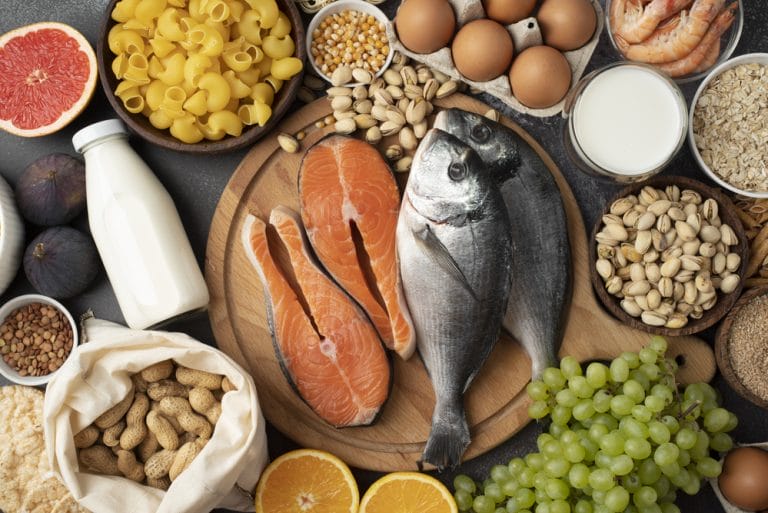
In the search for a diet that promotes health and cancer prevention, it is essential to turn our attention to foods that offer tangible benefits. Here, we will explore a variety of choices that not only nourish our bodies, but have also been associated with reducing the risk of certain types of cancer.
-
Fruits and Vegetables:
Las frutas y verduras son los héroes indiscutibles de una dieta que busca prevenir el cáncer. Estos alimentos son ricos en vitaminas, minerales, antioxidantes y fibra, elementos esenciales para el mantenimiento de la salud y la prevención de enfermedades. La diversidad en colores y tipos garantiza una ingesta completa de fitoquímicos, compuestos vegetales que han demostrado tener propiedades anticancerígenas.
- Blueberries: rich in antioxidants that fight oxidative stress.
- Broccoli: contains sulforaphane, a compound with anticarcinogenic properties.
- Carrots: source of beta-carotene, which has been associated with reduced risk of certain cancers.
Whole Grains:
Whole grains are fundamental to a balanced diet and have also been linked to cancer prevention. These foods contain fiber, antioxidants and phytonutrients that work together to maintain cellular health and reduce the risk of certain types of cancer.
- Quinoa: Rich in protein and fiber.
- Oats: Contains beta-glucans that help reduce cholesterol and may have anti-cancer properties.
- Brown rice: Source of fiber and antioxidant compounds.
Lean Protein Sources:

Choosing lean protein sources is crucial for cancer prevention, especially compared to processed and red meats. Opting for fish, skinless poultry, legumes and low-fat dairy products not only provides essential protein but also reduces the intake of saturated fats associated with certain types of cancer.
- Salmon: Rich in omega-3 fatty acids with anti-inflammatory properties.
- Chicken breast: Lean source of protein.
- Lentils: High in protein and fiber.
Healthy Oils:
The inclusion of healthy oils in the diet provides significant health benefits, including cancer prevention. Oils such as extra virgin olive oil contain antioxidants and monounsaturated fatty acids that have been shown to have anti-cancer properties.
- Extra virgin olive oil: Rich in antioxidants and oleic acid.
- Avocado oil: Source of healthy fats and vitamin E.
Nuts and Seeds:
Nuts and seeds are treasure troves of nutrients and bioactive compounds that contribute to cellular health and cancer prevention. Their moderate inclusion in the diet provides significant nutritional benefits.
- Almonds: contain vitamin E and fiber.
- Chia seeds: rich in omega-3 fatty acids and fiber
- Walnuts: source of alpha-linolenic acid and antioxidants.
Cruciferous Vegetables:
Cruciferous vegetables are especially notable in cancer prevention due to their content of compounds such as sulforaphane, known for its anticarcinogenic properties.
- Kale: Rich in antioxidants and fiber.
- Cauliflower: Contains sulforaphane and vitamin C.
- Turnips: Source of phytonutrients and fiber.
Epidemiological Evidence:
The strength of the connection between diet and cancer prevention is reinforced by epidemiological studies that have examined dietary patterns in specific populations. Detailed research has identified regions of the world where rates of certain types of cancer are significantly lower, and diet has emerged as a key factor in these disparities.
The Mediterranean Diet and Longevity:
A paradigmatic example is the Mediterranean diet, associated not only with reduced cardiovascular risk, but also with lower rates of certain cancers. This dietary pattern, rich in fruits, vegetables, olive oil and fish, has been the subject of numerous studies suggesting an inverse relationship between adherence to it and the incidence of cancers such as breast and colon cancer.
The Role of Nutrition in Cancer Prevention
The way we nourish our bodies not only affects our overall health, but also plays an essential role in reducing the risk of developing certain types of cancer.

Personalized Advice:
Personalized nutritional counseling is a fundamental pillar in the prevention of cancer and other diseases. Each individual is unique, with specific needs and contexts that influence their health and susceptibility to cancer. Nutritionists play a crucial role in providing guidance tailored to individual characteristics, considering factors such as age, gender, medical history and dietary habits. At Panama Cancer Clinic, we can provide you with all the nutritional advice you require for the prevention of these diseases.
Lifelong prevention:
Develop nutritional strategies that address the different stages of life, from infancy to old age. Encourage healthy eating habits from an early age to establish a solid foundation for lifelong health. Continuing nutrition education is a powerful tool in cancer prevention. Demystifying nutritional information and providing evidence-based knowledge are essential components in empowering people in their dietary choices.
Promotion of healthy lifestyles:
Nutrition is intertwined with other elements of a healthy lifestyle that together contribute to cancer prevention. Beyond diet, aspects such as regular physical activity, stress management and abstinence from tobacco are essential components.
When it comes to cancer prevention, nutrition emerges as a vital and dynamic component. From individualizing the diet to promoting a healthy lifestyle and actively participating in research, nutrition has an influence on multiple levels. By recognizing its power as a preventive tool, we can cultivate a holistic approach that not only nourishes our bodies but also strengthens our ability to resist and prevent cancer.

Mgter. Maria Alejandra Bartoli
Nutricionista Metabólica
For appointments:
Tel: +507 6382 2265 | 310 2869
Email: [email protected]