Liver cancer is a disease that affects thousands of people worldwide. Identifying symptoms early and knowing the treatment options available are crucial steps to improve the chances of successful treatment.
The liver is one of the largest and most vital organs in the body, responsible for essential functions such as detoxification, protein synthesis and the production of bile for digestion. Liver cancer, also known as hepatocellular carcinoma, is an aggressive form of cancer that originates in liver cells.
Symptoms of liver cancer
Identifying early symptoms of liver cancer can make a big difference in the prognosis of the disease. The most common symptoms include:
- Abdominal pain: A constant pain in the upper right side of the abdomen may be an early sign.
- Unexplained weight loss: Significant weight loss without changes in diet or exercise.
- Chronic fatigue: Feeling extremely tired for no apparent reason.
- Abdominal swelling: Swelling or accumulation of fluid in the abdomen (ascites).
- Jaundice: Yellowing of the skin and eyes due to an excess of bilirubin in the blood.
- Nausea and vomiting: Frequent feeling of stomach upset.
- Loss of appetite: Significant decrease in the desire to eat.
- White or clay-colored stools: Changes in stool color.
It is crucial to seek medical attention if you experience any of these symptoms, as early diagnosis can significantly improve treatment options and prognosis.
Risk Factors for Liver Cancer
Several factors can increase the risk of developing liver cancer, including:
- Chronic Hepatitis B and C infections: These viral infections are responsible for the majority of liver cancer cases worldwide.
- Cirrhosis: Scarring of the liver due to various liver diseases, including chronic alcoholism.
- Excessive alcohol consumption: Prolonged and excessive alcohol consumption can damage the liver and lead to the development of cancer.
- Obesity and diabetes: Both conditions are associated with an increased risk of liver cancer.
- Aflatoxin exposure: Toxins produced by molds that contaminate foods such as grains and nuts.
Diagnosis of Liver Cancer
Diagnosis of liver cancer usually involves a combination of tests:
- Blood tests: To evaluate liver function and detect tumor markers.
- Medical imaging: Ultrasound, computed tomography (CT) and magnetic resonance imaging (MRI) to visualize the liver and detect tumors.
- Liver biopsy: Removal of a small sample of liver tissue for analysis under the microscope.
Liver Cancer Treatment Options
Treatment of liver cancer depends on several factors, including the stage of the disease, the patient's overall health and liver function. Treatment options have evolved significantly, offering multiple approaches that can be customized to each patient's needs. Here are the main treatment options available for liver cancer:
Hepatic Resection
Surgical resection involves removal of the tumor along with a portion of the surrounding liver tissue. This option is viable in cases where the cancer is confined to part of the liver and the rest of the organ is functioning properly. Liver resection can be a curative solution, especially in early stages of cancer.
Liver Transplant
Liver transplantation involves replacing the diseased liver with a healthy liver from a donor. This option is particularly useful for patients with advanced cirrhosis or multiple tumors that cannot be surgically removed. Patients must meet certain criteria to be considered candidates for transplantation, and donor availability can be a challenge.
Ablation
Ablation techniques are procedures that directly destroy cancer cells. They are less invasive than surgery and are mainly used when the tumor is small and cannot be removed surgically.
Radiofrequency Ablation (RFA)
RFA uses radio waves to generate heat and destroy cancer cells. A needle electrode is inserted directly into the tumor and high-frequency current is applied.
Cryotherapy
Cryotherapy freezes and destroys cancer cells using liquid nitrogen or argon gas. It is particularly useful for small tumors and can be repeated if necessary.
Embolization
Embolization is a procedure that blocks blood flow to the tumor, depriving it of essential oxygen and nutrients, resulting in tumor shrinkage or death.
Transarterial Chemoembolization (TACE)
In TACE, chemotherapy drugs are injected directly into the artery that supplies blood to the liver tumor, followed by materials that block the artery. This concentrates the chemotherapy on the tumor and minimizes exposure to the rest of the body.
Radioembolization (Y-90)
This procedure involves injecting small radioactive spheres (Y-90) into the hepatic artery that supplies blood to the tumor. The spheres deliver radiation directly to the tumor over several weeks, killing the cancer cells.
Targeted Therapy
Targeted therapy uses drugs that specifically target proteins or genes that promote cancer cell growth, minimizing damage to healthy cells.
Immunotherapy
Immunotherapy stimulates the body's immune system to recognize and fight cancer cells. It has shown promising results in the treatment of liver cancer.
Radiation Therapy
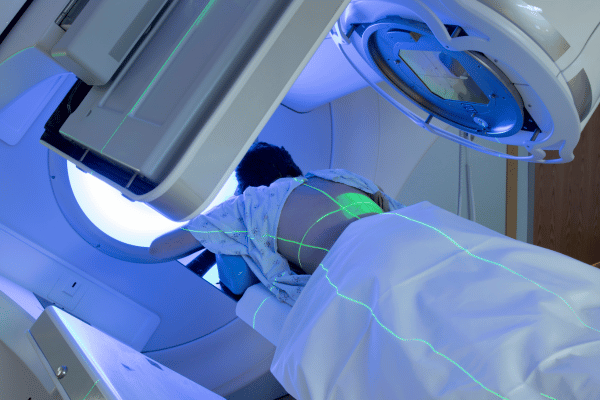
Radiation therapy uses high-energy x-rays to destroy cancer cells. It can be used in combination with other treatments to improve results.
External radiation therapy
This technique directs high-energy beams from an external machine at the tumor. It is useful for relieving pain and other symptoms when surgery is not an option.
Stereotactic Radiotherapy (SBRT)
SBRT delivers a high dose of precise radiation to the tumor in a short period of time. It is highly effective for small, targeted tumors.
"Liver cancer is a serious disease, but with early diagnosis and proper treatment, the chances of success can increase significantly."
You may be interested in: About Panama Cancer Clinic
At Panama Cancer Clinic, we are committed to offer the best treatment options and support to our patients. If you suspect you may have symptoms of liver cancer or want more information about our treatment options, do not hesitate to contact us.
Are you worried about liver cancer? Schedule a consultation with our specialists at Panama Cancer Clinic and get the care you need.
Meet our Medical Specialists
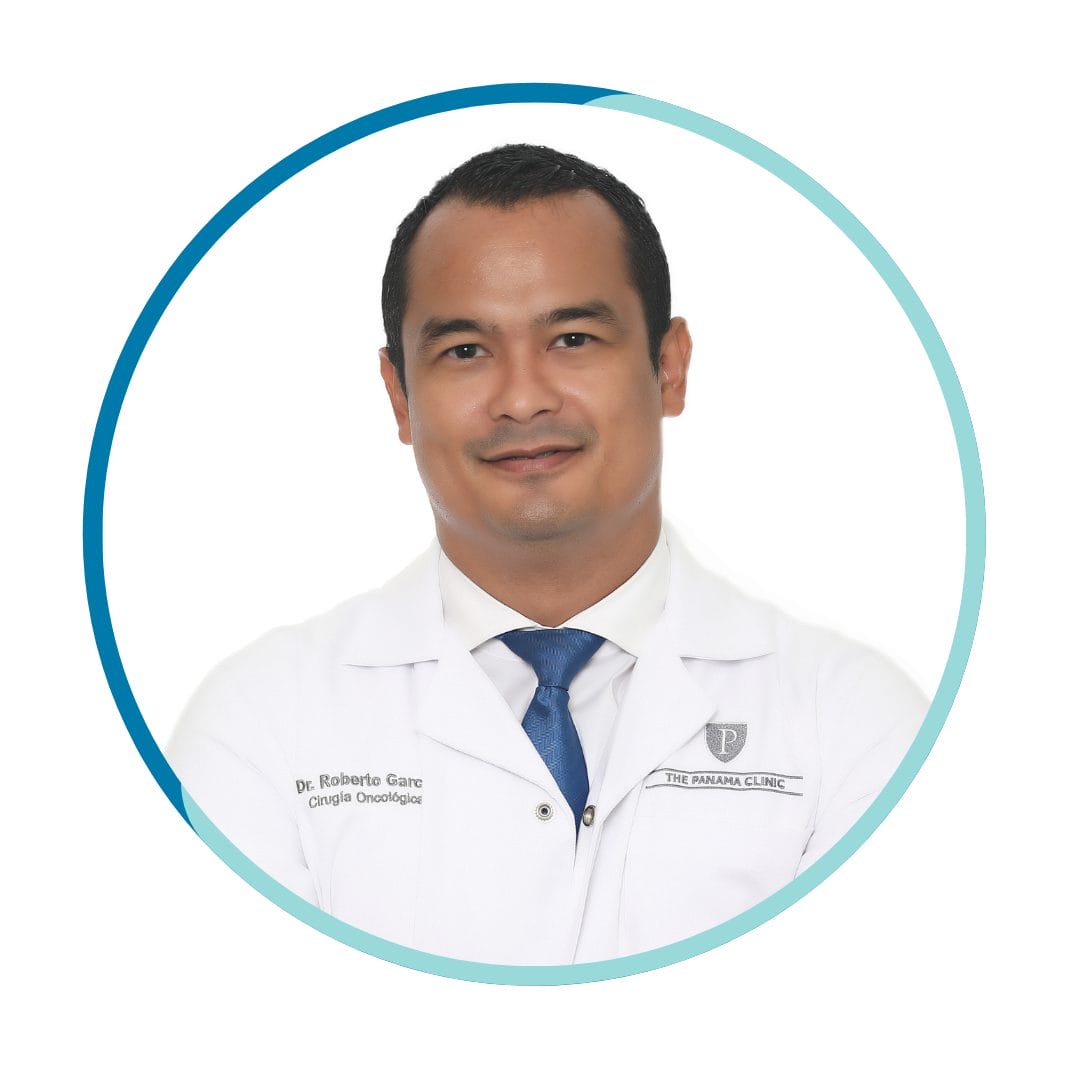
Dr. Roberto García C.
Oncology / Minimally Invasive Surgery /
Advanced Breast Surgery