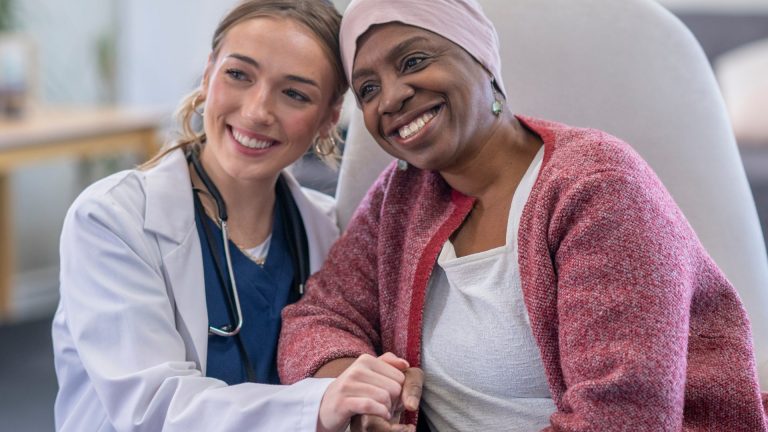
Cancer treatment is an uphill battle that does not end with the completion of chemotherapy, radiation therapy or surgery. Rehabilitation is an essential component of the recovery process, helping patients regain their strength, mobility and quality of life.
Rehabilitation for cancer patients focuses on helping people recover physically, emotionally and socially after treatment. The side effects of cancer treatment, such as fatigue, pain, muscle weakness and emotional problems, can be debilitating. Rehabilitation provides a comprehensive approach to address these challenges and improve the patient's quality of life. At Panama Cancer Clinic, we believe in a holistic approach to cancer care, and rehabilitation is a fundamental part of this process.
Benefits of rehabilitation for cancer patients
- Improved strength and mobility: Rehabilitation programs include specific exercises that help patients regain muscle strength and mobility. This is crucial for performing daily activities and maintaining independence.
- Reducing fatigue: Fatigue is one of the most common side effects of cancer treatment. Rehabilitation includes techniques and exercises that help patients manage and reduce fatigue.
- Alivio del dolor: Las terapias de rehabilitación, como la fisioterapia y la terapia ocupacional, pueden ayudar a aliviar el dolor y las molestias causadas por el tratamiento del cáncer.
- Mejora del bienestar emocional: La rehabilitación también aborda el bienestar emocional, proporcionando apoyo psicológico y estrategias para manejar el estrés, la ansiedad y la depresión.
- Improved quality of life: By addressing the physical and emotional aspects of recovery, rehabilitation helps patients improve their quality of life and overall well-being.
Rehabilitation strategies and programs
- Physical therapy: Physical therapy focuses on improving mobility and physical function through specific exercises and techniques. Physical therapists work with patients to develop customized programs that address their individual needs.
- Occupational therapy: Occupational therapists help patients regain the ability to perform daily activities, such as dressing, cooking and working. They can also provide assistive devices and adapt the home environment to improve safety and independence.
- Exercise and physical activity: Regular physical activity is an essential part of rehabilitation. Personalized exercise programs, including walking, swimming and strengthening exercises, help improve strength, endurance and cardiovascular health.
- Psychological and emotional support: Psychological support, including individual and group therapy, is crucial to help patients manage stress, anxiety and depression. Counselors and psychologists work with patients to develop coping strategies and provide emotional support.
- Nutrición: Una dieta equilibrada y nutritiva es fundamental para la recuperación. Los nutricionistas pueden ayudar a los pacientes a desarrollar planes de alimentación que apoyen su salud y bienestar durante y después del tratamiento del cáncer.
- Complementary therapies: Therapies such as yoga can be beneficial in relieving pain, reducing stress and improving overall well-being. It is important to discuss any complementary therapies with the medical team to ensure that they are safe and appropriate.
Rehabilitation is an essential component in the cancer recovery process, helping patients regain their strength, mobility and quality of life. At Panama Cancer Clinic, we are committed to offering a comprehensive approach that includes personalized rehabilitation programs for each patient. If you have questions or need more information about our rehabilitation options, please do not hesitate to contact us.
Meet our Medical Specialists: