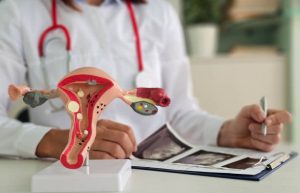
Pain is one of the most common and feared complications of cancer and its treatment. However, with the right strategies and treatments, it is possible to effectively manage pain and improve patients' quality of life. Cancer-associated pain can be debilitating and significantly affect patients' quality of life. It can originate from the tumor itself, treatments such as chemotherapy and radiation therapy, or from surgical procedures. Pain management is an integral part of oncology care, and a personalized approach is essential to address each patient's individual needs.
Types of pain in cancer patients
- Acute pain: This type of pain is of short duration and is usually related to medical procedures, such as surgeries or biopsies. Although temporary, it can be intense and requires appropriate management.
- Chronic pain: Chronic pain persists for a prolonged period of time and may be caused by the tumor, the treatment or both. This type of pain requires an ongoing, multifaceted approach to management.
- Neuropathic pain: This pain is caused by nerve damage and may be described as burning, shooting or electric. It is common in patients who have received certain types of chemotherapy or who have tumors that compress nerves.
- Visceral pain: It comes from internal organs and can be difficult to localize. It is common in cancers affecting organs such as the liver, pancreas or colon.
- Somatic pain: This pain comes from the bones, muscles or soft tissues. It is often described as aching or shooting and is common in cancers that have metastasized to the bones.
Pain management strategies and treatments
- Analgesic medications: Analgesics are the mainstay of pain management in oncology patients. They include:
- Non-opioid analgesics: such as acetaminophen and non-steroidal anti-inflammatory drugs (NSAIDs), are useful for mild to moderate pain.
- Opioids: Such as morphine, fentanyl and oxycodone are used for moderate to severe pain.
- Coanalgesics: Medications such as antidepressants and anticonvulsants may be useful for neuropathic pain.
- Physical therapies: Physical therapy can help relieve pain and improve mobility. Techniques such as massage, application of heat or cold, and stretching exercises are effective.
- Surgical interventions: In some cases, surgical procedures may be necessary to relieve pain, such as nerve decompression or stabilization of fractured bones.
- Nerve blocks and regional anesthesia: These techniques involve injecting local anesthetics or medications into specific areas to block pain. They are useful for localized pain and can provide long-term relief.
- Complementary therapies: Therapies such as acupuncture, aromatherapy, meditation and yoga can be beneficial as part of a comprehensive approach to pain management. They help reduce stress and improve overall well-being.
- Psychological support: Psychological support is crucial for pain management. Cognitive behavioral therapy (CBT) and other therapeutic approaches can help patients develop coping strategies and manage pain-related stress and anxiety.
Pain management is an essential component of cancer treatment, and with the right strategies and treatments, it is possible to significantly improve patients' quality of life. At Panama Cancer Clinic, we are committed to providing comprehensive and personalized pain management for each of our patients. If you have questions or need more information about our pain management options, please do not hesitate to contact us.
Specialists: