
World Day Against Thyroid Cancer, commemorated every September 24, invites us to reflect on a type of cancer whose incidence has grown in recent decades, but which has also proven to be highly treatable if detected early.
What is thyroid cancer?
Thyroid cancer originates in the thyroid gland, located at the base of the neck. The thyroid is responsible for the production of hormones that regulate essential body functions, such as metabolism, heart rate, and body temperature. Although thyroid cancer is less common compared to other types of cancer, its prevalence has been increasing, especially among young and middle-aged women.
There are four main types of thyroid cancer:
- Papillary carcinoma: It is the most common type and has a favorable prognosis.
- Follicular carcinoma: It is more aggressive than papillary carcinoma, but also treatable.
- Spinal cord carcinoma: It is usually associated with genetic factors.
- Anaplastic carcinoma: It is the most aggressive type and has the worst prognosis.
The importance of early detection
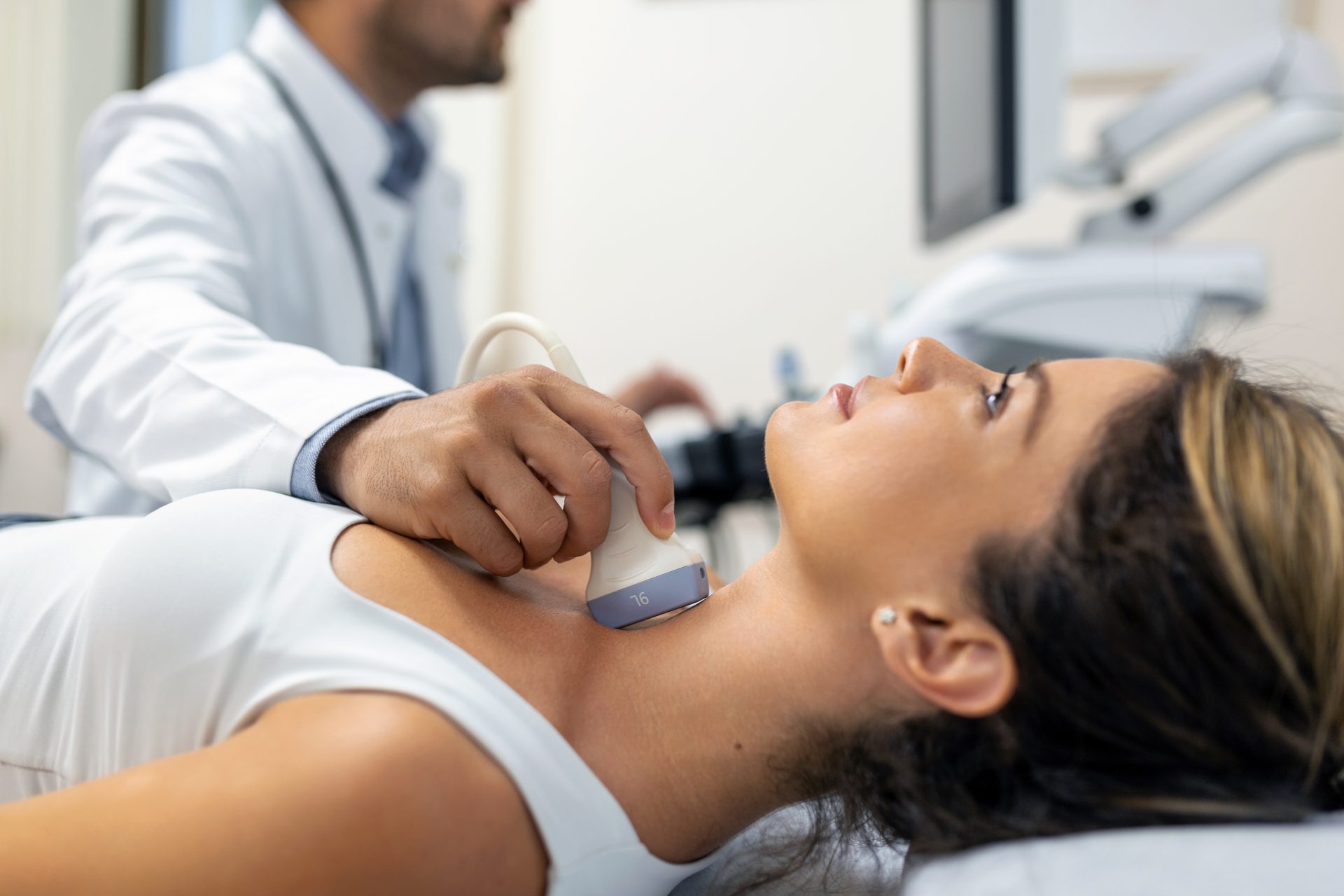
Early diagnosis of thyroid cancer can make the difference between simple treatment and more complex intervention. Early detection is key to reducing mortality and improving patients' quality of life.
Among the most common signs and symptoms of thyroid cancer are:
- Appearance of a nodule or lump in the neck.
- Difficulty swallowing or breathing.
- Hoarseness or voice changes that do not go away.
- Pain in the front of the neck.
However, it is important to note that many times thyroid cancer is asymptomatic in its early stages, which underscores the relevance of regular checkups, especially if you have a genetic predisposition or risk factors such as radiation exposure.
Surgical treatment: The role of the surgical oncologist

Treatment of thyroid cancer varies depending on the type and stage of the disease. In most cases, surgery is the main treatment. There are different surgical procedures to treat thyroid cancer:
- Total thyroidectomy: It consists of the complete removal of the thyroid gland. It is the most common treatment when the presence of cancer is confirmed.
- Partial thyroidectomy: Only part of the thyroid is removed and is an option when the tumor is small and localized.
- Lymphadenectomy: Performed in some cases to remove nearby lymph nodes if cancer is suspected to have spread.
Surgery not only removes the tumor, but also allows us to obtain a more accurate assessment of the stage of the disease, which is crucial for planning postoperative treatment.
Complementary treatment
In many cases, after surgery, treatment is supplemented with radioactive iodine therapy to destroy the remaining cancer cells that could not be surgically removed. In addition, patients must follow hormonal treatment to replace thyroid function and prevent recurrence of the cancer.
One of the greatest advances we have seen in the treatment of thyroid cancer is the personalization of treatment. Today, we can tailor surgical and therapeutic strategies according to the specific characteristics of each patient, minimizing side effects and improving long-term outcomes.
Thyroid cancer and quality of life
Fortunately, the prognosis for most patients with thyroid cancer is positive. However, long-term follow-up is critical. Patients should undergo regular checkups to monitor for any recurrence and adjust their hormone levels as needed.
As a surgical oncologist, one of my goals is to ensure that the patient understands the entire process: from diagnosis to treatment and follow-up. Providing clear information, answering their questions, and accompanying them at every stage of their recovery is vital to ensure that they feel supported and empowered during their treatment.
Prevention and awareness
Although there is no sure way to prevent thyroid cancer, some measures can reduce the risk. Avoiding unnecessary radiation exposure, getting regular checkups, especially if there is a family history of the disease, and maintaining a healthy lifestyle are some recommendations I regularly share with my patients.
World Thyroid Cancer Day provides us with an opportunity to educate and raise awareness about this disease. As health professionals, our mission is to ensure that information reaches everyone and that patients have access to early diagnosis and effective treatment.
Surgery for thyroid cancer has proven to be a successful and, in many cases, life-saving approach. However, the success of treatment lies not only in the hands of the surgeon, but also in the commitment of the patient and early detection. As we continue to advance treatments and understanding of this disease, we remain hopeful for a future in which thyroid cancer is diagnosed earlier and earlier and treated successfully.
On this World Thyroid Cancer Day, we call on everyone to get informed, get checked and seek medical attention if they have suspicious symptoms. Together, we can continue to fight this disease and offer a healthier and longer life to our patients.
If you have noticed a lump in your neck or have any of the above symptoms, we invite you to schedule a consultation for a complete medical evaluation. Early detection is key.