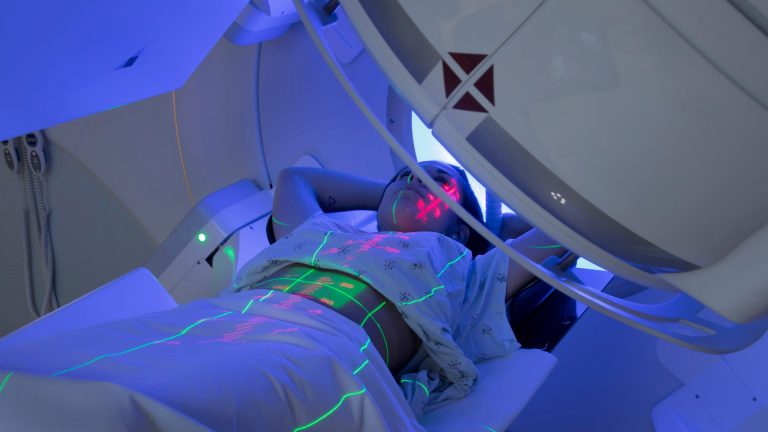
Radiation therapy is one of the most effective and commonly used treatment modalities in the fight against cancer. With technological advances, radiotherapy procedures have evolved, offering patients more precise and less invasive treatments.
Radiation therapy uses high-energy rays, such as X-rays, protons or electrons, to destroy cancer cells. This treatment can be used alone or in combination with surgery, chemotherapy and other therapies to increase its effectiveness. Radiation therapy works by damaging the DNA of cancer cells, preventing their ability to reproduce and grow.
There are several types of radiation therapy procedures, each with its own specific techniques and applications. The most common procedures are described below:
External beam radiation therapy (EBRT)
External radiation therapy is the most common type of radiation therapy. It uses a machine called a linear accelerator to direct high-energy rays at the tumor from outside the body. This procedure is noninvasive and is usually given in daily sessions over several weeks.
Internal Radiotherapy (Brachytherapy)
Brachytherapy involves placing radioactive materials directly into or near the tumor. This method allows a high dose of radiation to the tumor while minimizing exposure to surrounding tissues. Brachytherapy is commonly used to treat prostate, cervical and breast cancers.
Intensity Modulated Radiation Therapy (IMRT)
IMRT is an advanced form of external beam radiation therapy that uses imaging technology to conform the radiation dose precisely to the contour of the tumor. This allows for a higher radiation dose to the tumor while reducing exposure to healthy tissues.
Stereotactic Radiation Therapy (SBRT/SRS)
Stereotactic radiation therapy delivers high doses of radiation with millimeter precision in one or a few sessions. SBRT is used for tumors in the body, while SRS is used specifically for brain tumors. This technique is highly effective for small, well-defined tumors.
Proton Radiotherapy
Proton radiation therapy uses protons instead of X-rays to treat cancer. Protons have the advantage of releasing most of their energy directly into the tumor, reducing damage to surrounding healthy tissues. This method is especially useful for treating cancers in sensitive areas, such as the brain and spinal cord.
Benefits of advances in Radiotherapy
Advances in radiation therapy technology have not only improved the accuracy and effectiveness of treatment, but have also significantly reduced side effects and improved patients' quality of life. Some of the benefits include:
- Less damage to healthy tissues: Advanced techniques allow for more precise delivery of radiation, minimizing damage to surrounding healthy tissues.
- Fewer side effects: Reduced exposure to healthy tissues results in fewer short- and long-term side effects.
- Greater effectiveness: More precise and personalized treatments have proven to be more effective in eliminating tumors.
- Improved quality of life: Advances in radiation therapy have enabled patients to maintain a better quality of life during and after treatment.
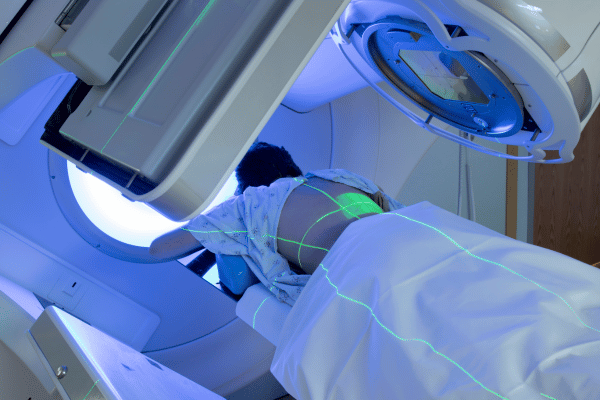
Most Common Types of Cancer Treated by Radiation Therapy
Radiation therapy is a versatile and effective treatment option for a wide variety of cancers. Below are some of the most common types of cancer treated with radiation therapy:
Breast Cancer
Radiation therapy is often used after surgery to eliminate any remaining cancer cells and reduce the risk of recurrence. It may also be used to reduce the size of the tumor before surgery.
Prostate Cancer
Both external radiation therapy and brachytherapy are effective options for the treatment of prostate cancer. Radiation therapy can be used as a primary treatment or after surgery if there is a risk of recurrence.
Lung Cancer
Radiation therapy is a key treatment option for lung cancer, especially for those patients who are not candidates for surgery. It can be used to treat both non-small cell and small cell lung cancer.
Head and Neck Cancer
Radiation therapy is often an essential part of treatment for head and neck cancer, either alone or in combination with surgery and chemotherapy. It helps preserve important functions such as swallowing and speech.
Colorectal cancer
Radiation therapy can be used before surgery to reduce the size of the tumor or after surgery to eliminate residual cancer cells. It is also a treatment option for patients with rectal cancer.
Skin Cancer
In cases of melanoma and basal and squamous cell carcinoma, radiation therapy may be an effective option, especially when surgery is not possible or desired.
Liver Cancer
Radiation therapy, including proton radiation therapy and SBRT, can be used to treat liver tumors that cannot be surgically removed.
Esophageal cancer
Radiation therapy is often used in conjunction with chemotherapy to treat esophageal cancer, improving the ability to swallow and reducing the size of the tumor prior to surgery.
Pancreatic cancer
Although pancreatic cancer is difficult to treat, radiation therapy can be used to reduce tumor size and relieve symptoms, as well as to treat cancers that cannot be surgically removed.
Bladder cancer
Radiation therapy can be used after surgery to destroy any remaining cancer cells or as a primary treatment in patients who cannot undergo surgery.
These are just a few examples of how radiation therapy is used in the treatment of different types of cancer. The choice of specific treatment depends on many factors, including the location and size of the tumor, the patient's general health and other therapies the patient may be receiving.
Radiation therapy is a powerful tool in the treatment of cancer, and technological advances continue to improve its effectiveness and safety. At Panama Cancer Clinic, we are dedicated to offering the most advanced and personalized treatment options to our patients. If you have questions or need more information about our radiation therapy options, please do not hesitate to contact us.
Meet our Medical Specialists