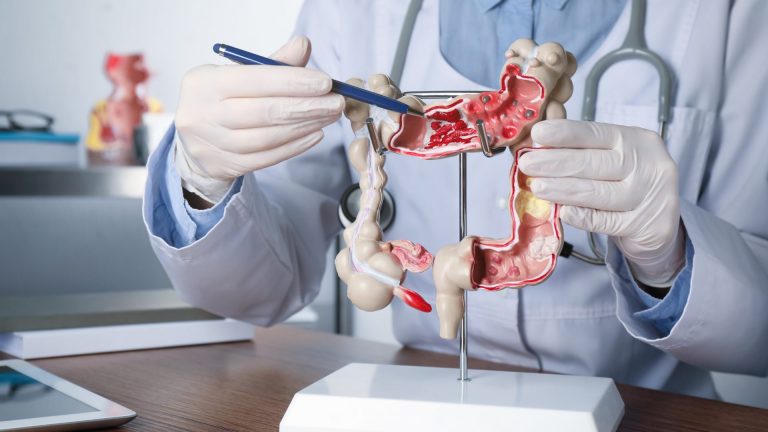
Colon cancer, also known as colorectal cancer, develops in the large intestine (colon) or rectum. It is one of the most commonly diagnosed cancers worldwide, but also one of the most preventable if detected early and appropriate measures are taken. Understanding the symptoms and prevention strategies can make a significant difference in the fight against this disease.
Symptoms of colon cancer
Recognizing the symptoms of colon cancer is critical for early detection and effective treatment. Symptoms can vary, but some of the most common include:
- Changes in bowel habits: persistent diarrhea or constipation, or changes in stool consistency.
- Rectal bleeding or blood in the stool: Presence of bright red blood or dark, tarry stools.
- Abdominal pain: Colic, gas or pain in the abdomen.
- Weakness or fatigue: Constant feeling of tiredness for no apparent reason.
- Unexplained weight loss: Significant weight loss without changes in diet or exercise.
- Persistent sensation of incomplete evacuation after defecation.
It is important to note that these symptoms can also be caused by other non-cancerous conditions, such as hemorrhoids or irritable bowel syndrome. However, if you experience any of these symptoms, it is crucial to consult a physician for a proper evaluation.
Risk factors for Colon Cancer
Several factors can increase the risk of developing colon cancer, including:
- Age: Most cases are diagnosed in people over 50 years of age.
- Family history: Having a family history of colon cancer or colorectal polyps increases the risk.
- Inflammatory Bowel Diseases: Conditions such as ulcerative colitis and Crohn's disease.
- Diet: Diet high in fat and low in fiber, especially with high consumption of red and processed meats.
- Sedentary lifestyle: Lack of regular physical activity.
- Obesity: Overweight and obesity are associated with an increased risk of colon cancer.
- Alcohol and tobacco use: Smoking and excessive alcohol consumption.
The good news is that there are several steps you can take to reduce your risk of developing colon cancer. Here are some effective prevention strategies:
- Have regular screening tests: Screening tests, such as colonoscopy, can detect precancerous polyps that can be removed before they turn into cancer. It is recommended to begin screening at age 50, or earlier if risk factors are present.
- Maintain a healthy diet: Eat a diet rich in fruits, vegetables and whole grains, and limit consumption of red and processed meats. Increasing fiber intake can help maintain a healthy digestive system.
- Exercise regularly: Regular physical activity can help maintain a healthy weight and reduce the risk of colon cancer.
- Maintain a healthy weight: Overweight and obesity are associated with an increased risk of several types of cancer, including colon cancer.
- Limit alcohol consumption and avoid smoking: Reducing alcohol consumption and avoiding smoking can significantly reduce the risk of colon cancer.
- Take supplements if needed: Some studies suggest that calcium and vitamin D may help reduce the risk of colon cancer. Consult your doctor before starting any supplements.
- Know your family history: Inform your doctor of any family history of colon cancer to determine if you need to begin screening earlier or more frequently.
For more information on how diet can influence cancer prevention, visit our article on Nutrition and Cancer. If you are interested in learning more about the importance of early detection, check out "Genetic Testing in Cancer Screening".
Colon cancer is a serious disease, but highly preventable and treatable if detected early. Knowing the symptoms and taking proactive steps to reduce your risk can make a big difference. At Panama Cancer Clinic, we are committed to providing the best care and most advanced prevention options to our patients. If you have questions or need more information about our screening and prevention options, please do not hesitate to contact us.
Specialists: