Ovarian cancer, often referred to as the "silent killer," is the seventh most common cancer affecting women and the fourth most common gynecologic cancer worldwide. This type of cancer is known for its late diagnosis and nonspecific symptoms, which underscores the importance of raising public awareness about this type of cancer, especially during Ovarian Cancer Awareness Month.
"This disease is characterized by its ability to go unnoticed until it reaches advanced stages, which makes treatment more challenging and significantly reduces survival rates," says Dr. Everardo Gutiérrez R., a gynecologic oncologist at the Panama Cancer Clinic.
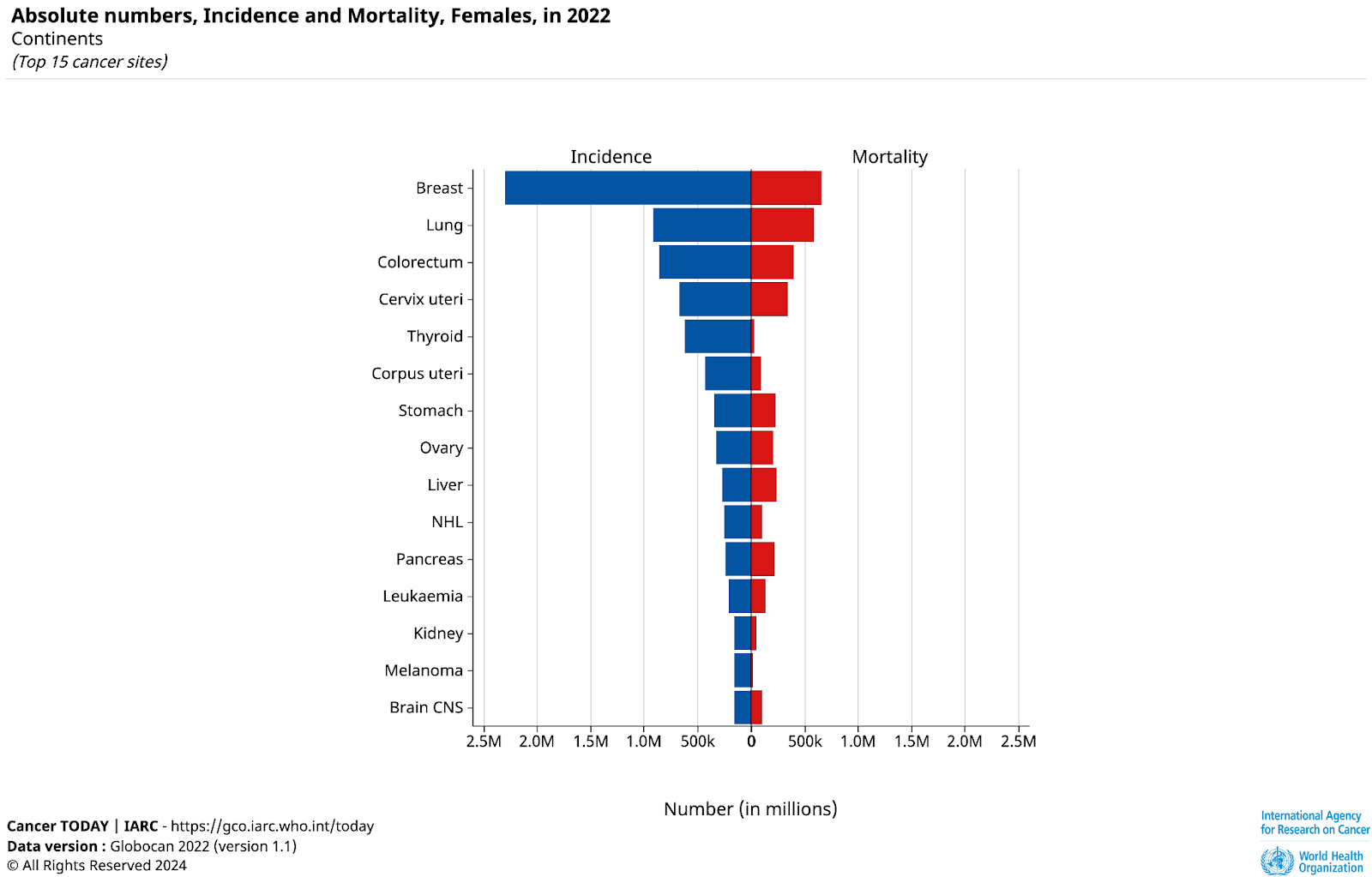
According to Globocan data (2022), ovarian cancer accounts for approximately 3.4% of all cancers in women and is responsible for about 206,000 deaths each year. The incidence and mortality rates for ovarian cancer vary significantly by region, with higher rates in developed countries.
Risk Factors for Ovarian Cancer
Ovarian cancer can affect any woman, but certain factors increase the risk of developing it. These factors include:
Advanced age
Most cases are diagnosed in women over the age of 50, and the risk increases significantly after age 60.
Family history
Having a family history of ovarian, breast, or colorectal cancer can double or even triple the risk. Ovarian cancer may run in some families. The risk of developing this disease is higher if your mother, sister, or daughter has had or currently has ovarian cancer. This risk increases even more as the number of family members affected by this type of cancer rises. In addition, the risk can also come from the paternal side of the family.
Genetic mutations
Mutations in the BRCA1 and BRCA2 genes are associated with a significantly increased risk of ovarian cancer. It is estimated that, for women with BRCA1, the lifetime risk of ovarian cancer is between 35% and 70%. This means that if 100 women had the BRCA1 mutation, between 35 and 70 of them would develop ovarian cancer. For women with BRCA2 mutations, the risk has been estimated to be between 10% and 30% by age 70, according to data from the American Cancer Society.
Reproductive and hormonal factors
Women who have never had children or who had their first child after age 35 are at increased risk. In addition, the use of hormone therapy after menopause may slightly increase the risk.
Lifestyle
Obesity, lack of physical activity, and a diet high in saturated fats are associated with an increased risk of ovarian cancer.
You may be interested in: Video on ovarian cancerAlthough reducing or controlling risk factors has significant benefits for patients' health, we cannot say that prevention is 100% effective. Prevention of ovarian cancer is complicated by the lack of clear early symptoms and the absence of effective screening methods for women without risk factors, Dr. Gutiérrez points out.
However, several strategies have been identified that could help reduce the risk:
- Oral contraceptive use: Women who have used oral contraceptives (birth control pills) have a lower risk of ovarian cancer. The longer the pills are used, the lower the risk. This lower risk continues for many years after stopping the pills.
- Healthy lifestyle: Maintaining a healthy weight, avoiding tobacco and excessive alcohol consumption, and following a balanced diet rich in fruits and vegetables can help reduce the risk.
- Pregnancy and lactation: A woman who has been pregnant and carried the pregnancy to term before the age of 26 has a lower risk of ovarian cancer than a woman who has not carried a pregnancy to term. The risk decreases with each full-term pregnancy. Breastfeeding may reduce the risk even further.
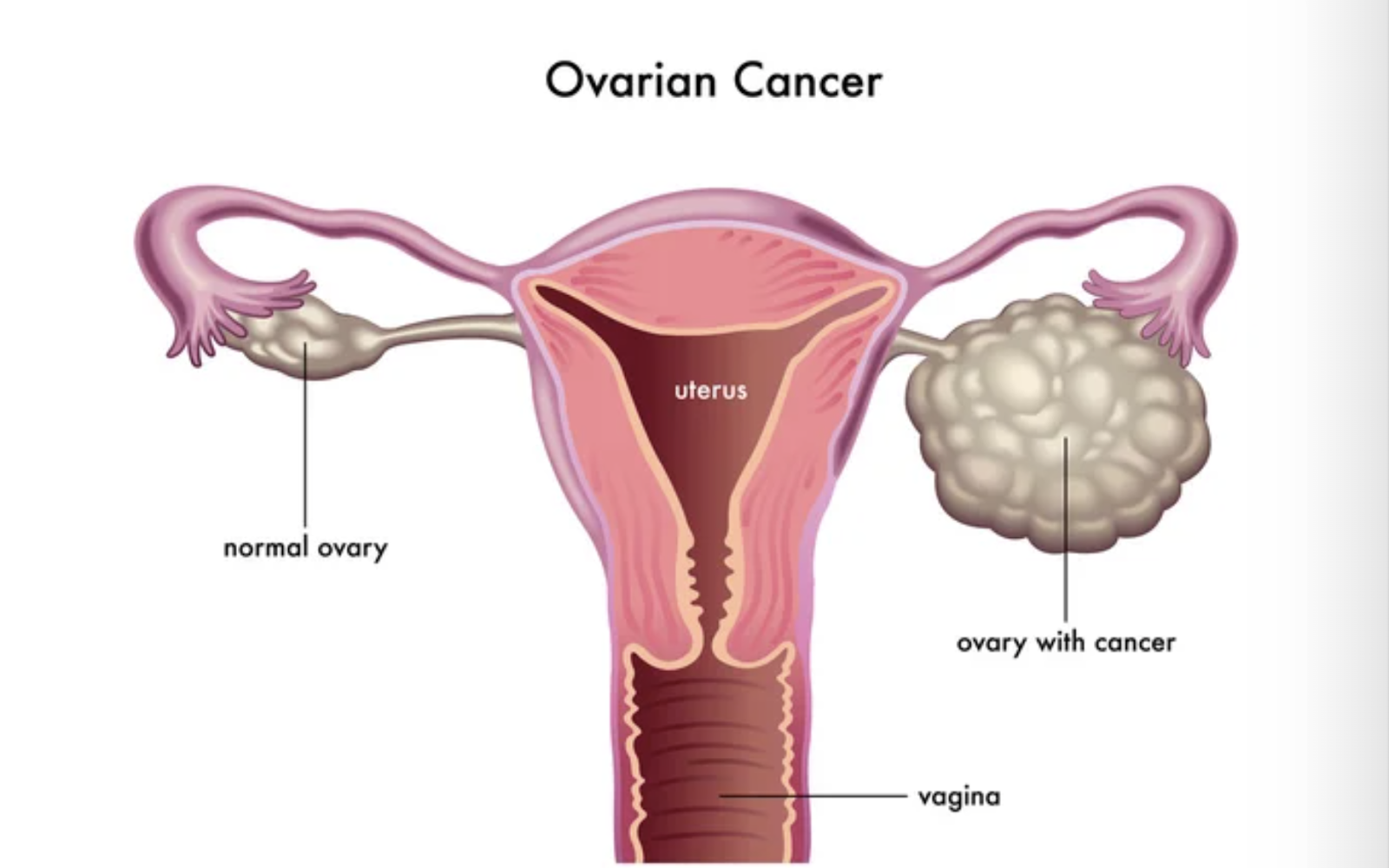
Ovarian cancer is often diagnosed at an advanced stage because of its nonspecific symptoms, such as abdominal distension, pelvic pain, urinary urgency, and rapid satiety. These symptoms are often mistaken for other, less serious conditions, which can delay diagnosis, Dr. Gutierrez points out. "To improve outcomes, it is essential to raise awareness of these symptoms, seek help early if these abnormalities occur, and not downplay the importance of annual gynecologic checkups."
There is no universally recommended screening method for ovarian cancer in women at average risk. However, for those at elevated genetic risk (such as BRCA mutation carriers), active surveillance with periodic transvaginal ultrasounds and measurements of CA-125, a tumor marker in the blood, may be considered.
During this "Ovarian Cancer Awareness Month," we have a crucial opportunity to educate women about the risks, symptoms, and importance of early detection of this disease. As a gynecologic oncologist, I play a pivotal role in this mission, always striving to provide evidence-based information and support to at-risk patients. Raising awareness and understanding of ovarian cancer can help reduce its global impact, saving lives through early detection and treatment.
If you experience any symptoms or warning signs, or if you simply want to learn about your risks and prevention options, please don’t hesitate to schedule an appointment. At Panama Cancer Clinic, we have a full team of medical professionals trained to provide you with the best guidance in oncology, nutrition, psychology, and comprehensive health management.