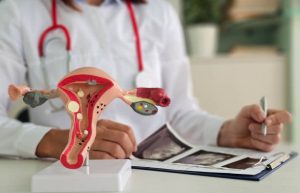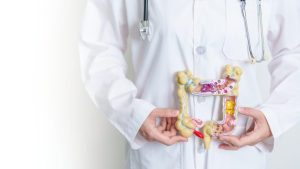
Cancer is a disease that develops when cells in the body begin to grow out of control, which can lead to the formation of malignant tumors and their spread to other parts of the body.
This is a complex and multifactorial disease, and it is known that exposure to carcinogenic substances, including some foods, can increase the risk of developing cancer.
The food we eat has an impact on our health.
Some foods may increase the risk of cancer, while others may help prevent it. It is important to understand which foods may be carcinogenic and how we can reduce our exposure to them. The following are some of the most common foods that may contain carcinogenic substances:
Processed meats and red meats
Processed meats, such as bacon, sausages and hamburgers, have been linked to an increased risk of colorectal cancer. The components used in the preservation of these meats are believed to be carcinogenic. It is important to limit consumption of processed meats and choose healthier alternatives, such as fish or lean meat.
Regarding red meat, studies suggest that consuming red meat in large quantities may increase the risk of developing certain types of cancer, such as colorectal cancer. Red meat contains chemical compounds, such as heterocyclic amines (HCAs) and polycyclic aromatic hydrocarbons (PAHs), which are formed when cooked at high temperatures, such as on the grill or barbecue. These compounds have been linked to an increased risk of cancer.
The World Health Organization (WHO) classifies processed meats as "carcinogenic" and recommends limiting their consumption. On the other hand, unprocessed red meat is classified as "probably carcinogenic".
Alcoholic beverages
Alcohol consumption has been linked to an increased risk of developing certain types of cancer, such as liver cancer, breast cancer, colon cancer, esophageal cancer, among others.
Alcohol is a toxic substance that can damage DNA and cells, which can cause mutations in these cells, and increase the risk of cancer. It can also increase levels of hormones such as estrogen, which can stimulate the growth of cancer cells. In addition to the risk of cancer, excessive alcohol consumption can lead to other health problems, such as liver disease, heart disease and stroke.
To reduce the risk of cancer and other health problems, it is recommended to limit the amount of alcohol consumed. The World Health Organization recommends that people drink no more than two alcoholic drinks per day for men and one alcoholic drink per day for women.
Fried foods
Fried foods, such as French fries and fried chicken, are cooked at high temperatures, which can produce carcinogenic compounds. Limit consumption of fried foods and choose healthier alternatives, such as grilled or baked foods.
Smoked foods
Smoked foods, such as salmon, meats and cheeses, may contain certain chemical compounds that are formed during the smoking process and have been linked to an increased risk of cancer. These chemical compounds include the previously mentioned heterocyclic amines (HCAs) and polycyclic aromatic hydrocarbons (PAHs), which are also found in other foods cooked at high temperatures, such as grilled meats or barbecue.
The risk of cancer may also depend on the amount of smoked foods consumed, as well as the frequency and duration of consumption. However, it is important to emphasize that the risk of cancer from consuming smoked foods is low and that measures can be taken to reduce it, such as choosing high quality smoked foods, limiting the amount consumed periodically, and supplementing the diet with fresh, healthy foods such as fruits and vegetables.
Foods high in saturated fats
Regular consumption of foods high in saturated fats has been linked to an increased risk of developing certain types of cancer, such as colon cancer, breast cancer and prostate cancer. Saturated fats are found in many foods, especially animal products such as: red meat, butter, cheese, cream and other whole milk products. They are also found in some vegetable oils, such as coconut oil and palm oil.
It is believed that saturated fats may increase the risk of cancer by causing inflammation and cell damage in the body. In addition, a diet high in saturated fat can also increase levels of hormones, such as estrogen and testosterone, which can stimulate the growth of cancer cells. To reduce the risk of cancer and other health problems, it is recommended to limit the amount of foods high in saturated fats in the diet and opt for healthier options, such as unsaturated fats found in foods like vegetable oils, nuts, seeds, avocados, fish and other foods rich in healthy fats.

Food with food additives
Food additives, such as aspartame and caramel coloring, have been linked to an increased risk of cancer. It is important to read food labels and avoid foods with food additives when shopping or cooking.
To reduce the risk of cancer, it is vital to follow a balanced diet that includes a variety of healthy foods and limit consumption of processed and high-fat foods.
It should be noted that most foods do not contain significant amounts of carcinogenic substances and that diet-associated cancer risk is largely a problem of overall diet. Studies have found that diets rich in fruits, vegetables, whole grains and lean proteins can reduce the risk of cancer. In addition, the way food is prepared can also affect cancer risk.
In Panama Cancer Clinic we have specialists in nutrition and prevention of chronic diseases such as cancer, who can provide you with all the support and accompaniment to improve your habits and incorporate a healthier diet.