Human Papillomavirus (HPV) is a common sexually transmitted virus that affects both men and women. Although most HPV infections are asymptomatic and resolve spontaneously without causing long-term health problems, some types of HPV can cause cancer.
"It is estimated that 80% of sexually active people will contract some form of HPV at some point in their lives."
There are more than 100 different types of HPV, of which about 40 can infect the genital areas. The International Agency for Research on Cancer has classified some HPVs as high-risk (carcinogenic) in humans. HPV-16 and HPV-18 are the most common carcinogenic types, responsible for approximately 70% of cervical cancers, as well as several cases of penile and anal cancer, oropharyngeal carcinoma, and cancers of the head and neck. HPV types 31, 33, 45, 52, and 58 together cause 15% of cervical cancers. HPV-6 and HPV-11 are the two main low-risk (non-carcinogenic) types and cause anogenital warts (Source: WHO).
HPV transmission
Human Papillomavirus (HPV) is transmitted primarily through sexual contact with an already infected person. Transmission can occur during any type of sexual activity, including vaginal, anal or oral sex.
HPV is transmitted through skin-to-skin contact - with infected skin - usually on the genitals, mouth or throat. The virus can be transmitted even if there are no visible symptoms of genital warts or any other HPV infection. In addition to sexual contact, HPV can also be transmitted from an infected mother to her newborn during childbirth, although this is rare. Importantly, HPV can be present for years without causing symptoms or visible signs of infection, so it is possible to unknowingly contract the virus and unknowingly transmit it to others.
HPV and Cervical Cancer

According to WHO data, cervical cancer is the fourth most common cancer in women worldwide, with an estimated incidence of 604,000 new cases and 342,000 deaths in 2020. Human Papillomavirus (HPV) is the leading cause of cervical cancer in women.
Of all types, two types of human papillomaviruses (types 16 and 18) cause almost 70% of the highly malignant precancerous cervical lesions. Most HPV infections go away on their own and do not cause cancer, but in some women, the infection persists for years and can lead to cervical cancer. It is estimated that 70% of cervical cancer cases are caused by high-risk HPV types.
Relationship of HPV with other types of cancer
It can also cause other types of cancer in men and women, such as anal cancer, penile cancer, vaginal cancer and vulvar cancer. It is important to note that most HPV infections do not cause cancer, and even high-risk HPV infections may not cause cancer in most people.
HPV Prevention
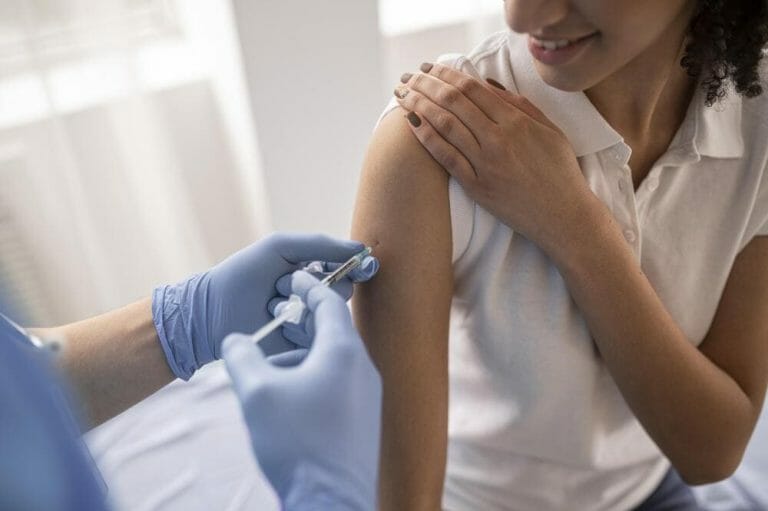
The best way to prevent HPV-related cancer is vaccination. The HPV vaccine Gardasil 9 is recommended between the ages of 9 years and 45 years. The vaccine is safe and effective and can prevent most types of HPV that cause cancer.
You may be interested in: HPV vaccine available in Panama
In addition to vaccination, it is important for women to be screened for cervical cancer. The Pap test is a screening test that can detect changes in cervical cells before they turn into cancer. Regular screening tests can detect and treat cervical cancer at an early stage, when it is easier to treat.
At Panama Cancer Clinic we have specialists in gynecology who can advise you on how to reduce the risk of contracting HPV, and the treatment you should follow in case you are exposed to the Human Papilloma Virus.