Liver Cancer in Panama
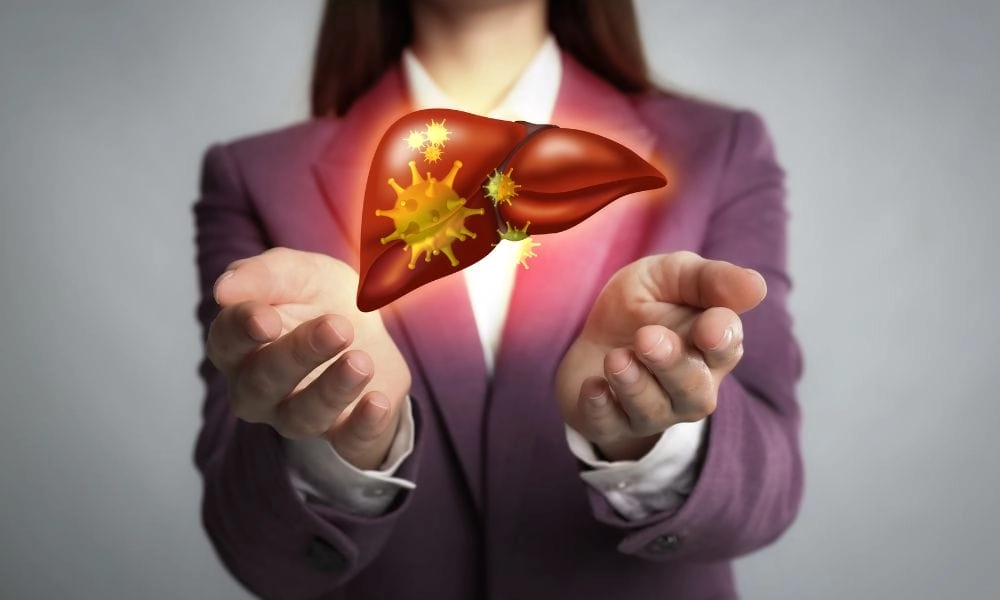
Liver cancer is the main liver tumor that develops in the setting of chronic liver diseases (cirrhosis, chronic hepatitis B or C virus infections and fatty liver). It represents the 4th leading cause of cancer-related death worldwide.
Every minute counts, find here immediate medical solutions
Our oncology specialists provide comprehensive guidance to the patient from day one. The liver is an organ whose functions are vital to the human body; by understanding its importance, effective ways of attacking the disease can be found while also respecting the patient's personal preferences.

People suffering from chronic liver disease are the most prone to develop this type of neoplasm.

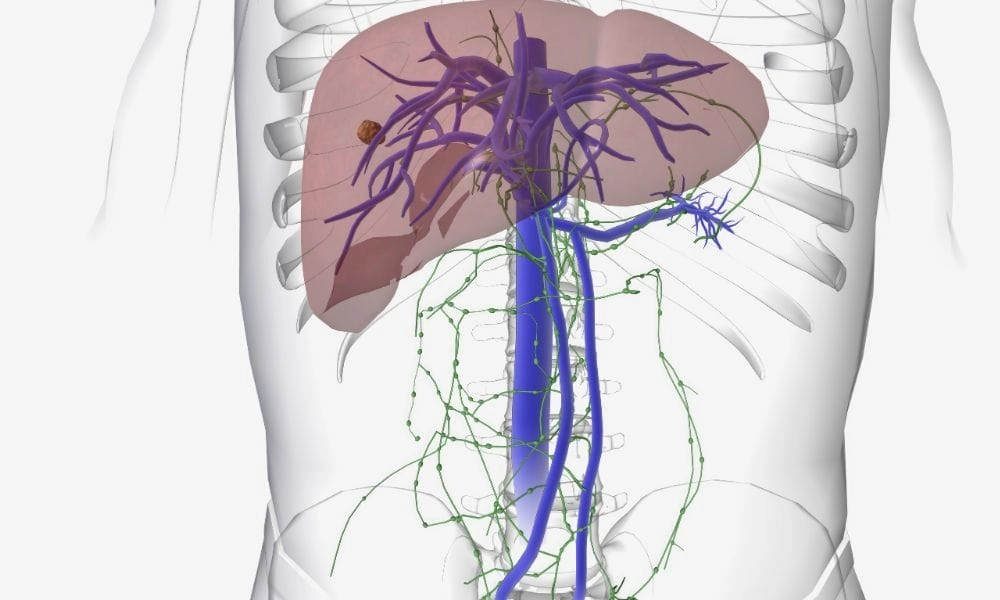
Liver cancer can originate either in the tissues of the liver (primary liver cancer) or derive from a cancer that started in another organ (metastatic cancer).

Diagnosis and Staging
After confirming the diagnosis with the relevant tests, the next step is to identify the stage of the liver cancer on a scale from I to IV; the lower the number, the better your prognosis.

General Welfare
Being physically and mentally prepared is essential to fight the disease, our professionals in psycho-oncology are there to accompany you.

The Specialist
Our physicians' expertise allows them to expand conventional treatment schemes and offer advanced options to fight liver cancer.
What is liver cancer?
Liver cancer is a neoplasm caused by the formation of cancerous (malignant) cells in the liver tissue, which develops in the setting of chronic liver diseases such as: cirrhosis due to alcohol abuse, chronic hepatitis due to B or C virus infections and fatty liver (steatohepatitis not associated with alcohol). In our Panamanian population, one of the main causes is fatty liver, hence the importance of healthy lifestyles.
It should be noted that the liver is an essential vital organ for the human body; it is also the largest and heaviest internal organ of the body, and is responsible for producing and secreting bile (an essential substance for digestion), detoxifying the blood, synthesizing coagulation factors, among others.
Types of liver cancer
In adults, hepatocellular carcinoma and cholangiocarcinoma are the most predominant types. Some of their characteristics are mentioned below:
Hepatocellular carcinoma (Hepatocarcinoma)
It manifests itself mainly in people suffering from previous liver diseases, for example: cirrhosis. Hepatocellular carcinoma can develop in different ways, in some people it forms a single tumor that grows progressively and spreads during its advanced stage; but it can also manifest itself through several nodules scattered throughout the liver.
Cholangiocarcinoma
Cholangiocarcinoma, also known as bile duct cancer, appears in the small ducts that transport bile to the gallbladder. Although it is a less frequent neoplasm than hepatocarcinoma, it is more aggressive.
Other rare forms of liver cancer include:
Angiosarcoma.
Hemangiosarcoma.
Hepatoblastoma (childhood liver cancer).
Stages of liver cancer
Staging liver cancer helps to understand the size and extent of the cancer in order to use the appropriate treatment in each case.
Stage I:
Contained tumor with an approximate size of 2cm, no alteration in portal vein pressure.
Stage II:
The tumor is about to reach 5 cm in diameter, liver function and portal vein pressure are already affected.
Stage III:
The tumor has enlarged, or, alternatively, there are several tumors scattered throughout the liver.
Stage IV:
The neoplasm is in an advanced stage, there is dissemination to other organs or lymph nodes.
Contact us at
. Schedule an appointment
Request a consultation

Symptoms of liver cancer
People may have symptoms or lack symptoms in the early stage. If you think you may be at high risk for liver cancer, we recommend you watch for the following signs:
Pain, bulging or other discomfort in the upper abdomen.
Nausea.
Vomiting.
Weakness.
General fatigue.
Lack of appetite.
Weight loss.
Abdominal swelling.
Jaundice (yellowish skin and eyes).
Whitish stools.
Very dark urine.
Risk Factors
Having more than one of the following conditions can greatly increase the chances of developing liver cancer:
Suffering from chronic infections such as: Hepatitis B and Hepatitis C.
Having liver cirrhosis.
Being diabetic.
Suffering from hereditary liver diseases.
Having a fatty liver.
Consuming alcohol constantly and in excessive amounts.
How to detect liver cancer?
The diagnosis of liver cancer usually includes a series of tests to confirm with total certainty the disease. In this sense, the patient may be submitted to:
Blood tests:
A blood test may show alterations in liver function.
Imaging studies:
Through an MRI, ultrasound or CT scan it is possible to identify the tumor or abnormal tissue mass.
Liver biopsy:
By means of a biopsy, samples of liver tissue are extracted for pathological analysis; this is one of the most effective methods to obtain a definitive diagnosis.
Treatments for liver cancer
The treatment options may be totally different for each patient with liver cancer, since the treating physician must evaluate particular aspects such as, for example: age, general health condition, size of the neoplasm, dissemination, among others. Surgery is one of the first methods to be considered in most cases.
Surgery
Surgery can be contemplated in two different scenarios: the first, to remove the entire tumor and some of the surrounding "healthy" tissue. The second is to remove the damaged organ and replace it with a liver transplant.
Non-surgical local treatments
There are several techniques that allow treating liver cancer from the outside; among the most widely used at present we can mention:
Radiofrequency ablation: In this procedure, needles are used to reach the tumor; heat is then transmitted to destroy the malignant cells.
Cryoablation: With the help of a cryoprobe, the physician applies liquid nitrogen to the neoplasm; the extreme cold freezes and eliminates the abnormal cells.
Pure alcohol injections: Pure alcohol administered directly into the tumor causes cell death.
Chemoembolization: This is a technique where embolization and chemotherapy are combined. In the procedure, the blood supply is interrupted, the chemotherapy drugs are administered, the artery is plugged and the substance contained within the blood vessels that feed the tumor is left inside for a few minutes.
Radiation Therapy
Radiation therapy destroys cancer cells and shrinks the tumor mass using X-rays or protons in specific and controlled amounts.
Targeted therapy
Precision medicine has shown very good results in the treatment of cancer. The drugs delivered specifically target cancerous or abnormal cells, while keeping healthy cells safe.
Immunotherapy
Immunotherapy prepares and strengthens the patient's immune system so that it is able to recognize and attack malignant cells on its own.
Chemotherapy
Intravenous or oral chemotherapy treatment is the most popular method of treatment. Chemotherapy uses special drugs that are responsible for destroying the fast-growing cells.
Palliative Care
Palliative care focuses on providing emotional support, pain relief and symptom relief to improve the oncology patient's quality of life while battling liver cancer.
How to prevent liver cancer?
Reduce your risk of cancer by considering the following:
If you are going to drink, do so in moderation.
Maintain a healthy body weight.
Get vaccinated against hepatitis B.
Avoid contracting the hepatitis C virus.
Take care of any infection or liver disease in time.