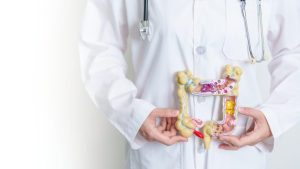
In the fight against cancer, early detection is one of the most powerful tools we have. As a medical oncologist, I have seen firsthand how early detection can make a significant difference for our patients. According to CSS data, three new cases of cancer were diagnosed each day in Panama in 2022—a trend that continues in 2023—with breast, prostate, thyroid, colon, and cervical cancers being the most common.
What is early cancer detection?
Early detection of cancer refers to the process of identifying the presence of the disease in its early stages, when it is still small and localized, and before it has spread to other parts of the body.
There are several methods for early cancer detection available in Panama, each designed to detect the disease in its earliest stages, when it is most treatable and treatment options are most effective.
Mammography
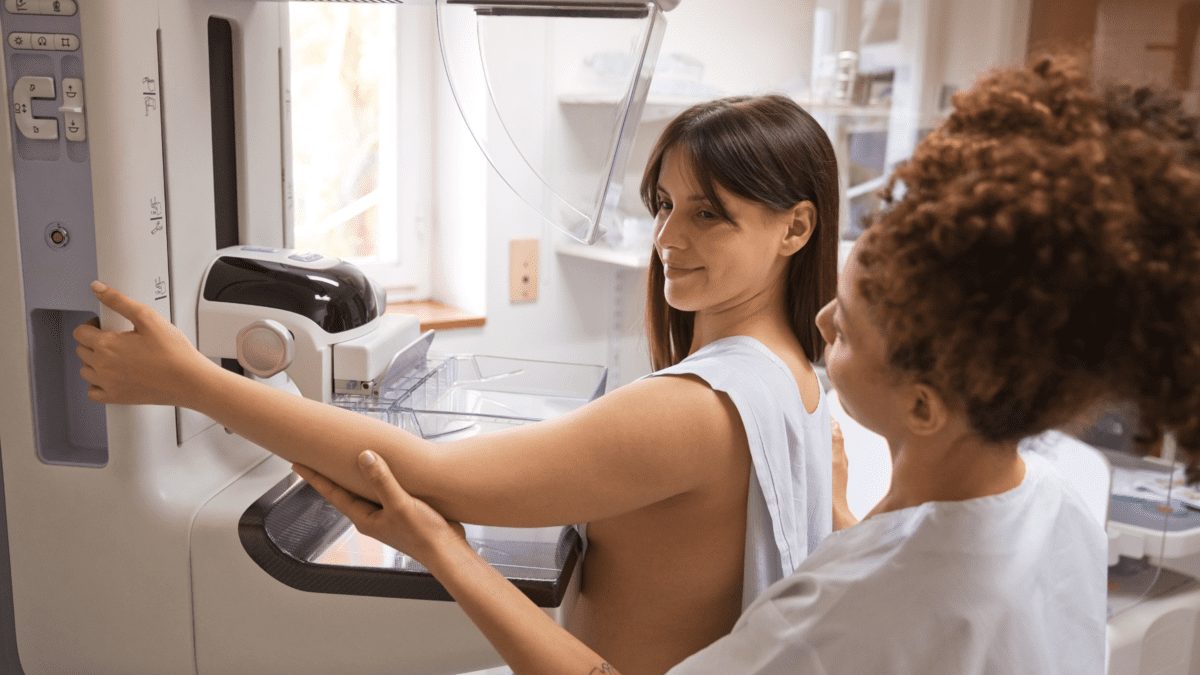
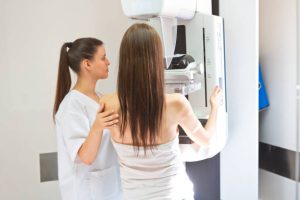
Mammography is a test that uses low-dose X-rays to create detailed images of the breasts. It is a crucial tool in the early detection of breast cancer, as it can detect tumors that are too small to be felt during a physical exam. It is recommended that women over the age of 40 have a mammogram on a regular basis, although guidelines may vary depending on each patient's risk factors.
2. Pap Test

The Pap test, commonly known as the Pap smear, is a screening test designed to identify abnormal cells in the cervix that could indicate the presence of cervical cancer or precancerous lesions. This test is performed during a routine gynecological examination and is essential for the early detection of cervical cancer. It is recommended that women begin having Pap tests at age 21 and continue to have them regularly in accordance with medical guidelines.
3. Colonoscopy
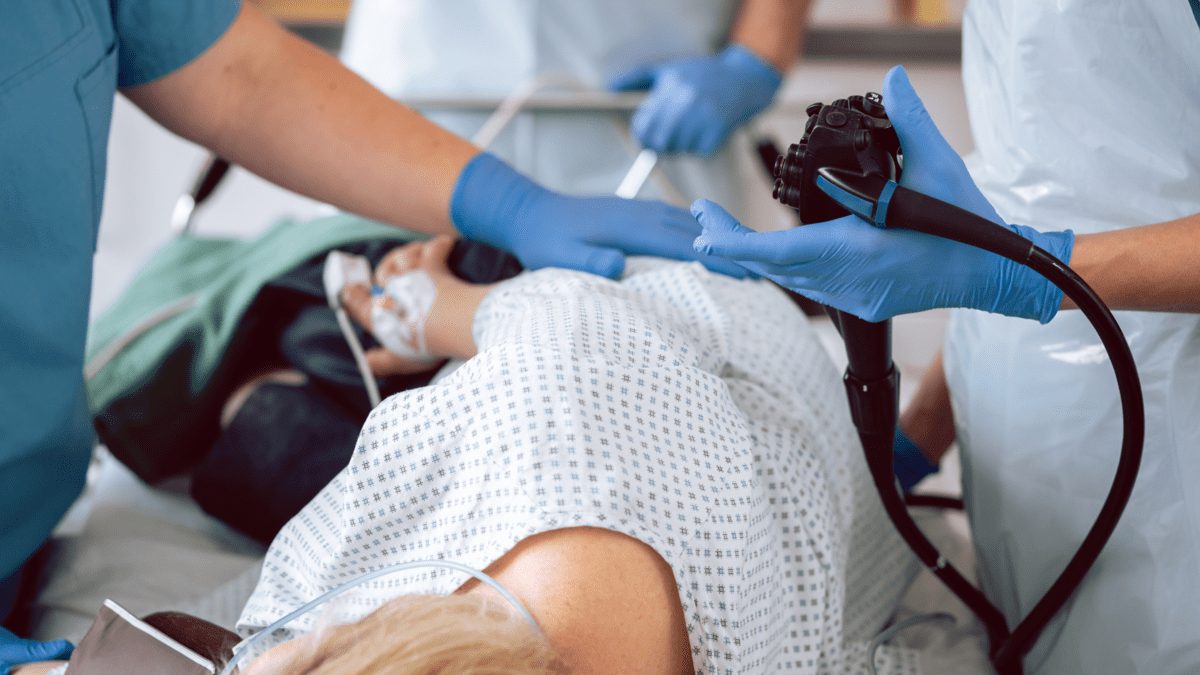
A colonoscopy is a procedure in which a flexible tube with a camera at the end is inserted through the rectum to examine the inside of the colon and rectum for precancerous polyps or colorectal cancer. This test is essential for the early detection of colorectal cancer, as it can identify and, in many cases, remove polyps before they become cancerous. It is recommended that people begin having regular colonoscopies starting at age 50, although it may be necessary to start earlier if there are additional risk factors.
4. Skin Cancer Screening Tests
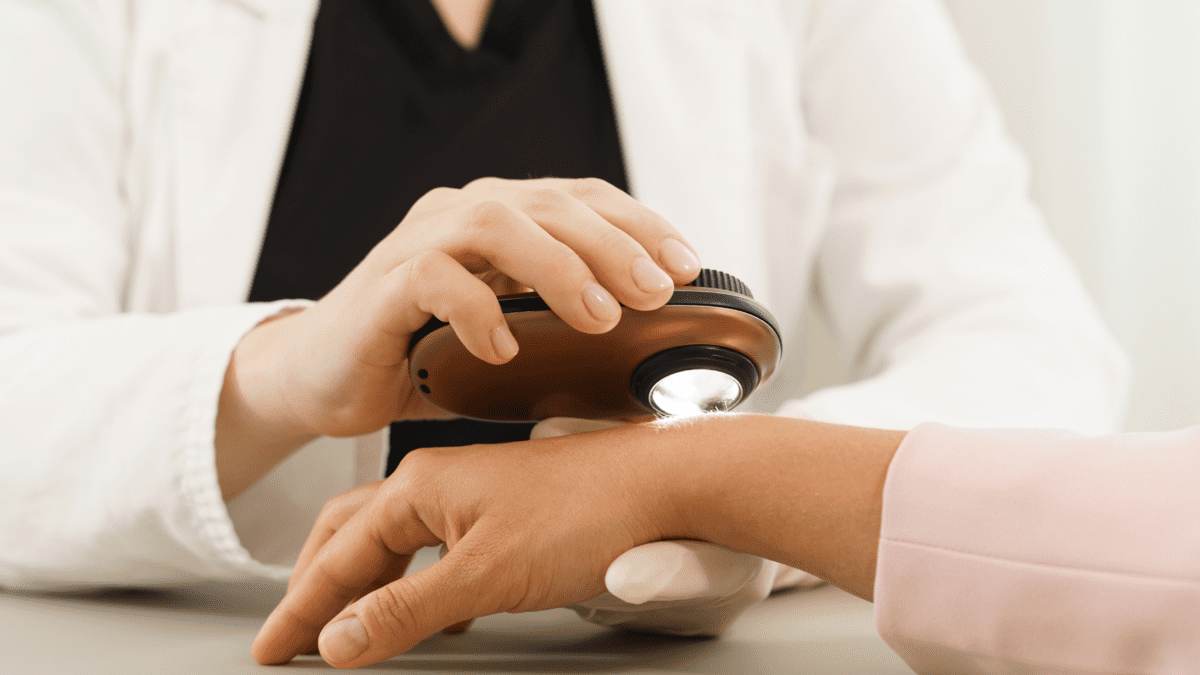
Skin cancer screening tests, such as a skin examination by a dermatologist or self-examination of suspicious moles and spots, are critical for the early detection of melanoma and other skin cancers. These tests can help identify skin lesions that may be cancerous in their early stages, when they are most treatable. It is recommended that people examine their skin regularly and consult a dermatologist if they notice worrisome changes in their moles or spots.
These are just a few examples of the cancer screening methods available. It is important for individuals to consult their doctors to determine which screening tests are appropriate for their age, gender, and individual risk factors. Early detection of cancer can make a significant difference in the prognosis and survival of those with cancer, so it is critical to get screened regularly and follow medical recommendations.
Why is early cancer detection important?
This is due to a series of benefits that not only affect patient survival but also their quality of life and the economic burden associated with treatment.
1. Improves survival rates:
Early detection of cancer is directly linked to a significant improvement in survival rates. When cancer is detected at earlier stages, treatment options are often more effective and less invasive. Small, localized tumors are more likely to be treated successfully, which greatly increases the chances of a cure. In contrast, if the cancer is discovered at an advanced stage, it may have spread to other organs or tissues, which drastically reduces treatment options and the patient's life expectancy.
2. Less need for aggressive treatments:
Early detection of cancer not only improves survival rates but also reduces the need for aggressive treatments and their associated side effects. Treatments for advanced-stage cancer are often more invasive, including extensive surgery, radiation therapy, and chemotherapy. These treatments can have significant side effects, such as fatigue, nausea, hair loss, and impaired organ function. With early detection, patients are more likely to avoid these intensive treatments, which improves their quality of life during and after treatment.
3. Reduction in treatment costs:
In addition to improving survival rates and reducing the need for aggressive treatments, early detection of cancer also leads to a significant reduction in treatment costs. Treating cancer in its early stages tends to be less expensive than treating it in advanced stages, as it involves less invasive procedures, fewer hospitalizations, and fewer medications.
4. Increased chance of a cure:
One of the most important aspects of early cancer detection is that it offers patients a better chance of a cure. In many cases, when cancer is detected in its early stages and treated appropriately, patients have the opportunity to achieve a complete cure. This means they can return to living a full and healthy life without the constant worry of a cancer recurrence. Early detection not only saves lives, but also offers hope and a second chance to those facing this disease.
The Role of the Oncologist in the Early Detection of Cancer.

The oncologist's role in the early detection of cancer is critical to ensuring that patients receive an accurate and timely diagnosis, as well as to guiding them through the treatment process.
1. Education and awareness:
Oncologists play a vital role in educating patients and raising their awareness about the importance of early cancer detection. This involves informing patients about the signs and symptoms of the disease, as well as the available screening tests and the importance of undergoing them regularly, especially if they have known risk factors.
2. Recommendations for risk assessment and screening tests:
Oncologists evaluate each patient's individual risk factors and recommend appropriate screening tests based on medical history, family history, and other relevant factors. This may include recommending mammograms for the early detection of breast cancer, Pap smears for cervical cancer, and colonoscopies for colorectal cancer, among other tests tailored to each patient's needs.
3. Interpretation of test results and accurate diagnosis:
Once screening tests have been performed, oncologists are responsible for interpreting the results and making an accurate diagnosis if abnormalities or signs of cancer are identified. This involves carefully analyzing the test results, performing follow-up tests if necessary, and determining the appropriate course of action for each patient.
4. Treatment coordination:
In the event of a positive cancer diagnosis, oncologists play a central role in coordinating the patient's treatment. This may include referring the patient to other specialists, such as cancer surgeons, radiation therapists, and oncology nurses, as well as planning and overseeing the comprehensive treatment plan, which may include surgery, radiation therapy, chemotherapy, or other treatments as needed.
You may be interested in: Learn about our care process at Panama Cancer Clinic.5. Emotional support and comprehensive care:
In addition to providing specialized medical care, we offer emotional support and comprehensive care to patients and their families. This may include addressing concerns and anxieties related to cancer diagnosis and treatment, as well as providing resources and support services—such as support groups, counseling services, and comprehensive care programs—to improve patients’ quality of life during and after treatment.
At Panama Cancer Clinic, our oncologists play a vital role in the early detection of cancer. From education and risk assessment to accurate diagnosis and emotional support, we are committed to providing the best medical care to our patients in Panama.
At Panama Cancer Clinic, we are here to help you detect cancer in its early stages and improve outcomes for those facing this disease!
Meet Our Medical Specialists in Oncologic Surgery