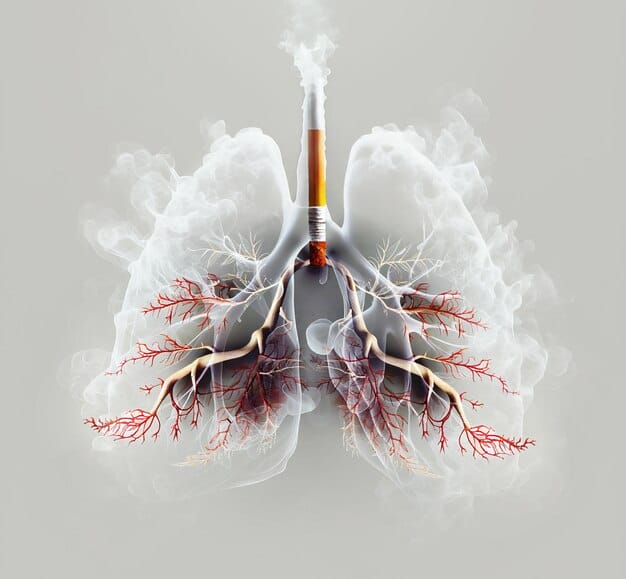
Lung cancer, a silent shadow looming over lung health, has emerged as one of the most challenging issues in oncology. Lung cancer originates in lung tissues and is most often associated with tobacco use, although it can also affect non-smokers. According to the latest statistics from Globocan, there were an estimated 2.2 million new cases of lung cancer worldwide in 2020. It accounts for about 11.6% of all new cancer cases.
Biology of Lung Cancer
Lung cancer occurs when lung cells undergo genetic changes that cause them to grow in an uncontrolled manner. Most cases are linked to tobacco use, which introduces carcinogens into the lungs, triggering genetic mutations. These mutated cells form tumors that can be benign or malignant, the latter representing the threat of cancer.
Main Types of Lung Cancer
-
Non-Small Cell Carcinoma (NSCLC):
Representing approximately 85% of cases, it is subdivided into adenocarcinoma, squamous cell carcinoma and large cell carcinoma. Each subtype has specific characteristics and responds differently to treatment.
-
Small Cell Carcinoma (SCLC):
Although less common, it is more aggressive and tends to spread rapidly. This type is largely associated with tobacco use and is treated with different therapeutic approaches.
Genetic and molecular factors
Research has revealed genetic and molecular markers that may influence the development and progression of lung cancer. The identification of these factors allows for more personalized treatments and opens the door to targeted therapies.
Lung cancer in non-smokers
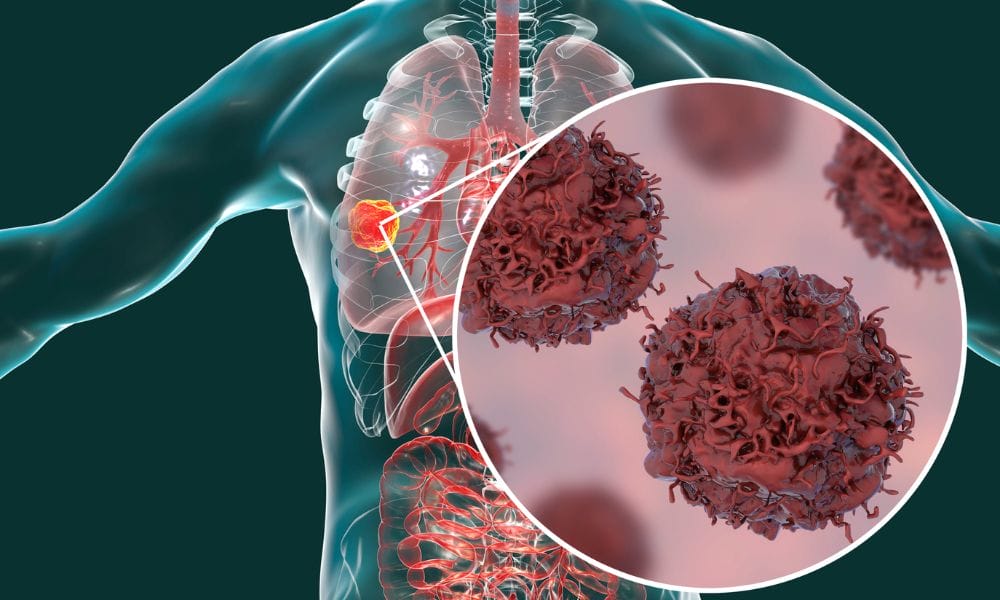
Contrary to common belief, lung cancer also affects those who have never smoked. This variant, although less frequent, poses particular challenges in terms of early detection and treatment, and its origin is often related to genetic factors and environmental exposures.
The environment surrounding the tumor, known as the tumor microenvironment, plays a critical role in lung cancer progression. The interaction between tumor cells and surrounding tissues, as well as the immune system, can influence the response to treatment and the ability of the cancer to spread.
Metastasis and Dissemination
A hallmark of advanced lung cancer is its ability to metastasize, spreading through the bloodstream or lymphatic system to other parts of the body. This complicates treatment and reduces options for cure, highlighting the importance of early detection.
Most common risk factors for lung cancer
In the fight against lung cancer, a thorough understanding of risk factors and prevention strategies is essential.
Tobacco: The main villain
Tobacco is undoubtedly the most significant risk factor for lung cancer. The chemicals present in tobacco smoke contain carcinogens that damage lung cells, triggering genetic changes that can lead to the development of malignant tumors.The chemicals present in tobacco smoke contain carcinogens that damage lung cells, triggering genetic changes that can lead to the development of malignant tumors. Smoking cessation not only significantly reduces the risk, but also improves overall lung health.
Environmental and professional exhibitions
Other environmental factors, such as exposure to radon, asbestos and air pollutants, also increase the risk of lung cancer. Implementation of air quality policies, identification and removal of asbestos in work environments, and awareness of environmental hazards are crucial steps to mitigate these risks.
Lifestyle and nutrition
A healthy lifestyle, including a balanced diet and regular exercise, may play a role in the prevention of lung cancer. It has been observed that people with a diet rich in fruits, vegetables and antioxidants have a lower risk. In addition, regular exercise strengthens the immune system and improves lung health.
Evaluation of genetic factors
Genetic predisposition may also influence the risk of developing lung cancer. Those with a family history of the disease may be at increased risk, and identification of specific genetic markers can aid in individual risk assessment. Genetic counseling may be beneficial for those with a family history.
Symptoms of Lung Cancer
The symptoms of lung cancer can vary, and some of them can be confused with other lung conditions. It is vital to be alert to the following signs:
- Persistent cough: Especially if accompanied by bloody sputum.
- Shortness of breath: Sensation of shortness of breath, even in everyday activities.
- Chest pain: Constant chest pain that may worsen with deep breathing or coughing.
- Voice changes: Persistent hoarseness or voice changes.
- Unexplained weight loss: Significant weight loss for no apparent reason.
- Fatigue: Extreme tiredness that does not improve with rest.
According to the World Health Organization (WHO), lung cancer is the leading cause of cancer deaths worldwide. In 2020, an estimated 2.2 million people died from the disease. The impact is especially pronounced in countries with high smoking rates and limited access to health services.
Lung cancer prevention involves a holistic approach ranging from smoking cessation to environmental awareness and promotion of healthy lifestyles. By understanding and addressing these risk factors, we can pave the way to a future where lung cancer is preventable and ultimately a less prevalent threat.

Dr. Humberto Juárez
Cardiovascular and Thoracic Surgeon
Para citas:
Tel: +507 6382 2265 | 310 2869
Correo: [email protected]