Breast cancer, a disease that affects the lives of millions of women in every corner of the world, represents a significant burden on global health. According to the World Health Organization (WHO), breast cancer is the most common type of cancer among women in both developed and developing countries. The figures are shocking: it is estimated that more than two million new cases are diagnosed each year, and the disease has claimed the lives of more than half a million women in 2020 alone.
In the midst of these discouraging numbers, a glimmer of hope emerges in the form of a multidisciplinary approach that has proven to be crucial in the fight against this disease. This article will delve into the intricate fabric of breast cancer, exploring how collaboration between various medical disciplines not only improves treatment outcomes, but also addresses the physical and emotional complexities patients face on their journey to recovery.
Understanding Breast Cancer
This disease, which manifests itself in diverse and often insidious ways, highlights the urgent need for a deeper understanding from multiple medical perspectives. Beyond statistics and numbers, breast cancer is intertwined with stories of courage and resilience, and it is critical to recognize this human dimension in addressing its complexity.
The factors that trigger this challenging journey are as diverse as the women who experience it. While genetic factors, hormonal changes and family history play a role, the intricate web of causes is even more vast. In many cases, the disease manifests without the presence of known risk factors, highlighting the need for further research and understanding beyond the obvious.
"The emotional spectrum ranging from fear to hope presents us with an even more complex reality of the breast cancer experience. Understanding the psychological and emotional impact is as crucial as deciphering the biological complexities."
Diagnosis: How can we detect breast cancer?
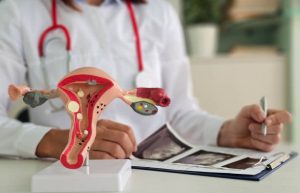
This often complex process plays a decisive role in treatment planning and prognosis determination.
-
Early detection
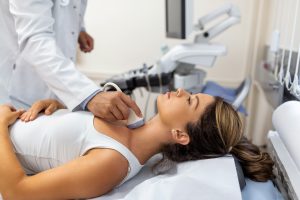
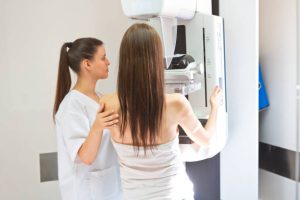
It is the cornerstone in the fight against breast cancer. Diagnostic techniques have evolved, providing health professionals with increasingly accurate tools. Mammography, a specialized X-ray of the breast, remains a key tool in early detection, especially in women over the age of 40. In addition, ultrasound and MRI scans offer a more detailed view, especially in more complex cases.
-
Biopsy
A procedure in which a small tissue sample is removed for analysis is essential to confirm the presence of cancer cells. This critical step not only validates the diagnosis, but also provides information about the type of cancer and its characteristics, fundamental to designing a personalized treatment plan.
-
Accurate Staging:
Once the diagnosis is confirmed, the next step is staging, a comprehensive evaluation that determines the extent and severity of the cancer. Staging systems, such as TNM (tumor size, lymph nodes involved, metastases), provide a classification that guides medical professionals in their decision making.
This process involves a combination of medical imaging, laboratory analysis and, in some cases, exploratory surgery. Knowing the extent of the disease allows oncologists to design a precise therapeutic approach. From in situ tumors to metastatic disease, staging provides the map needed to effectively deal with breast cancer.
It is critical to note that this process is not just about numbers and classifications, but translates into information that directly influences the treatment plan and conversations with patients. Accurate staging not only guides therapy, but also provides a solid foundation for honest discussions about prognosis and expectations.

Treatments for breast cancer. Let's know the options
-
Surgical Approach
In the fight against breast cancer, the surgical approach is a fundamental tool. This phase, which ranges from decision-making on the type of surgery to breast reconstruction, plays a crucial role in the physical and emotional recovery of patients.
The decision on the type of surgery is often based on several factors, including the size and location of the tumor, as well as the stage of the cancer. Mastectomy, which involves the complete removal of the breast, may be necessary in advanced cases or as a preventive measure. On the other hand, lumpectomy, which preserves most of the breast by removing only the tumor and a small amount of surrounding tissue, is an option in earlier stages.
"Oncoplastic surgery, a technique that combines tumor removal with reconstructive procedures, represents an evolution in surgical perspective. This approach seeks not only to eliminate the disease, but also to preserve the aesthetics and emotional integrity of the patient."
-
Breast Reconstruction
Breast reconstruction, an option after mastectomy, plays an essential role in physical and psychological restoration. Advances in techniques and materials have allowed for increasingly natural results. Options include breast implants or the use of the patient's own tissue, often taken from other areas of the body, such as the abdomen or buttocks.
The decision to undergo breast reconstruction is highly personal and can be influenced by medical, emotional and lifestyle factors. Conversation between the patient and surgeon, with the support of a multidisciplinary team, is crucial to understanding all options and making informed decisions.
-
Systemic Treatments
These modalities, which act throughout the body, seek not only to eliminate cancer cells present in the breast but also to address possible foci in other parts of the body. The three cornerstones of systemic treatments are chemotherapy, hormonal therapy and targeted therapies.
-
Chemotherapy:
Chemotherapy, an established mainstay in the treatment of breast cancer, involves the use of potent drugs to destroy or slow the growth of cancer cells. This systemic approach is particularly valuable in situations where the cancer has spread beyond the breast. Although chemotherapy can cause side effects, such as hair loss and fatigue, advances in research have led to the development of more targeted therapies with fewer adverse effects.
-
Hormonal therapy:
In cases where breast cancer is hormone-sensitive, hormone therapy is a crucial strategy. This approach seeks to block or reduce the action of hormones, such as estrogen and progesterone, which can stimulate the growth of certain types of breast cancer. Hormone therapy comes in various forms, such as pills, injections or aromatase inhibitors, and is often administered after surgery to reduce the risk of recurrence.
-
Targeted Therapies:
Targeted therapies represent a revolution in the treatment of breast cancer. These therapies, designed to specifically target the molecular alterations present in cancer cells, minimize damage to normal cells. Targeted therapy has become essential in personalized treatment, where understanding the molecular characteristics of the cancer guides the choice of specific treatments.
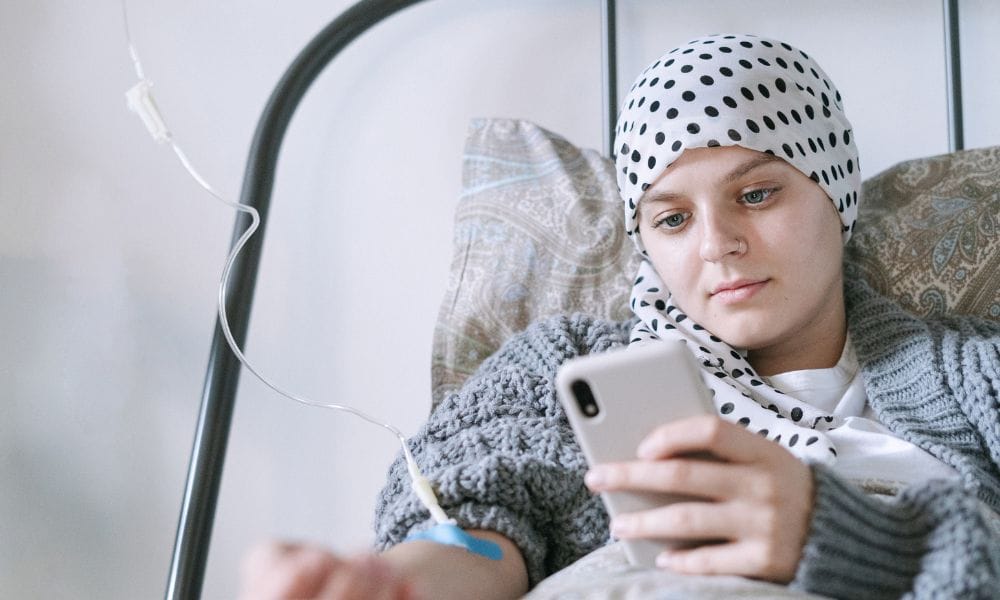
The systemic approach to breast cancer reflects a deeper understanding of the heterogeneous nature of this disease. The combination of these modalities, often tailored to each patient's unique situation, represents a comprehensive strategy that not only seeks to eradicate cancer cells but also to minimize side effects and improve quality of life during and after treatment. Close collaboration between oncologists, surgeons and drug specialists are of great relevance in guiding patients through this complex therapeutic landscape.
-
Radiotherapy:
Radiation therapy, an essential component, uses high-energy radiation to target cancer cells. Its goal is to destroy or damage these cells, preventing their ability to grow and divide. This approach is applied with millimeter precision, specifically targeting the affected region, minimizing the impact on surrounding tissues.
Radiation therapy comes in various forms, from daily treatments over several weeks to more intensive single sessions. Its application varies depending on the stage of the cancer and the type and location of the tumor. In addition to its role in treatment after surgery, radiation therapy may also be an option to shrink the tumor prior to surgery.
-
Emotional Impact and Quality of Life
The surgical approach not only has physical consequences, but also profoundly impacts patients' emotional well-being. The loss of a breast, even when it is an informed choice, can generate a variety of emotions. Oncoplastic surgery and breast reconstruction seek not only to restore physical form, but also to alleviate the psychological impact of surgery.
-
Interdisciplinary Collaboration
This synergy guarantees an integral vision of the treatment, where radiotherapy is strategically integrated with systemic therapies, nutritional and psychological care, among others. The coordination between these disciplines not only optimizes the efficacy of the treatment, but also minimizes side effects and maximizes the quality of life of the patients.
In Panama Cancer Clinic we have a team of medical specialists prepared to address each stage of your treatment. You can find us at The Panama Clinic, 21st floor, office 2121.
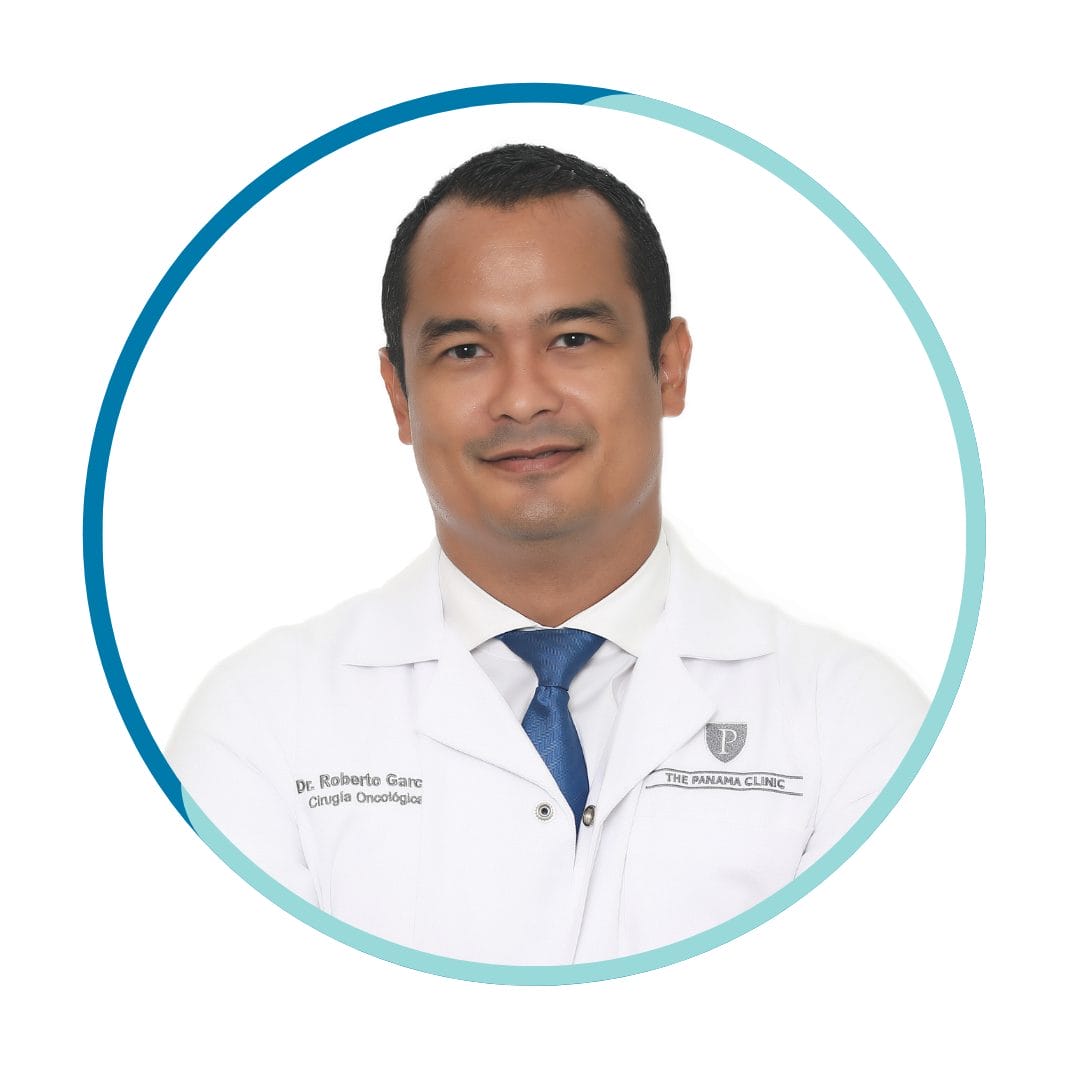
Dr. Roberto García
Oncological Surgeon
For appointments:
Phone: +507 6382 2265 | 310 2869
Email: [email protected]
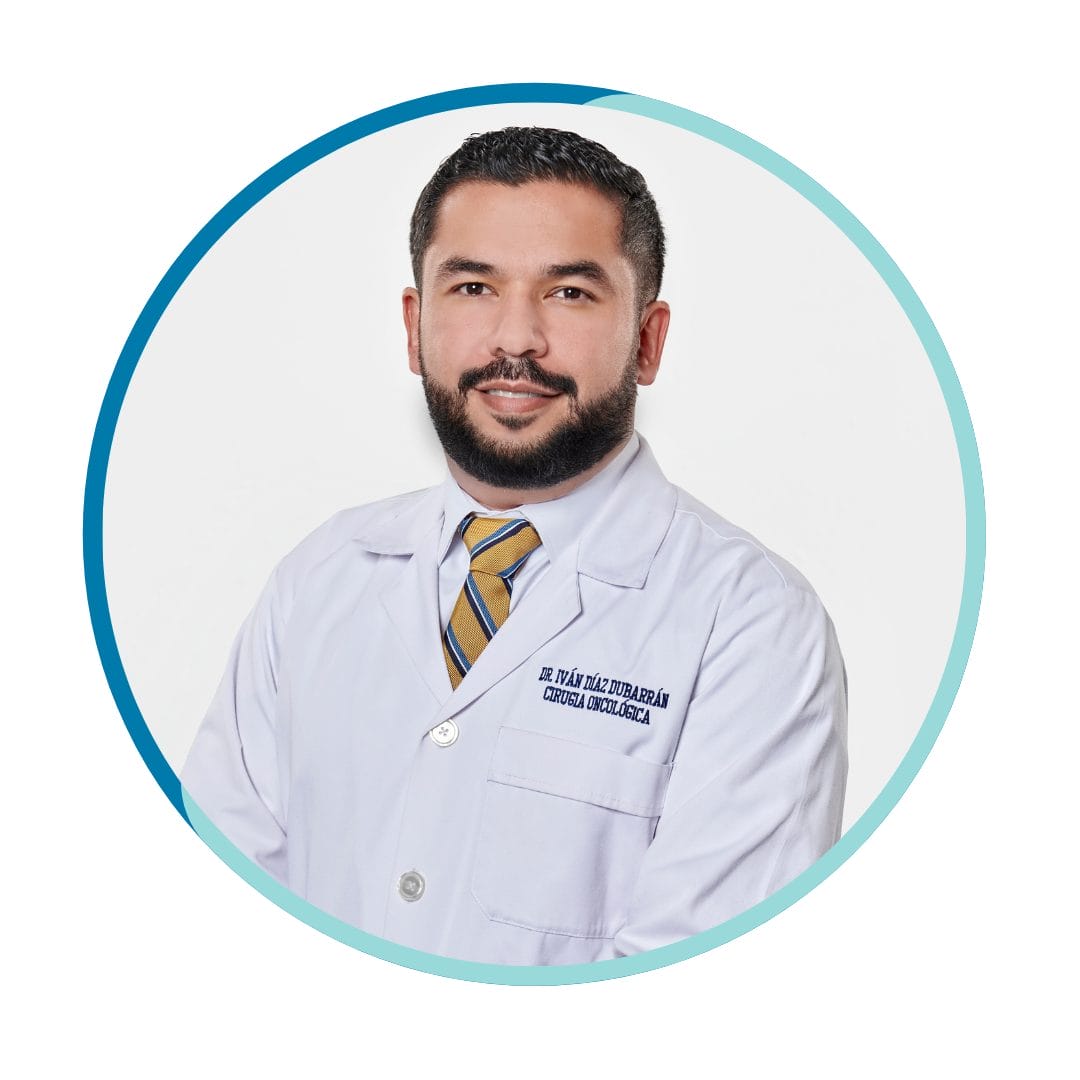
Dr. Iván Díaz
Oncologic Surgeon
For appointments:
Phone: +507 6382 2265 | 310 2869
Email: [email protected]