Skin cancer is a disease that affects millions of people worldwide, which is why it is extremely important to take preventive measures to reduce the risk of developing this disease.
In this publication, we will provide you with valuable information and practical tips on how to prevent skin cancer. You can also discover the best practices for protecting your skin from the sun's harmful rays and learn how to recognize the warning signs of skin cancer early on.
Risk Factors
Skin cancer has several risk factors that increase the likelihood of developing this disease. Some of them are:
-
Light skin
People with fair skin are more likely to develop skin cancer because they have less melanin, which is the pigment that protects the skin from damage caused by the sun's ultraviolet (UV) rays.
-
UV exposure
Excessive exposure to the sun's UV rays or to artificial sources of UV radiation, such as tanning lamps, increases the risk of skin cancer.
-
Family history
Having a family history of skin cancer increases the likelihood of developing the disease in the future. This may be due to genetic or shared factors, such as similar exposure to the sun or leading the same lifestyle.
-
Advanced age
As we age, the risk of skin cancer increases. Cumulative UV exposure over a lifetime may contribute to this.
-
Moles and freckles
Having a large number of moles, unusual moles, or many freckles is also considered a risk factor for skin cancer.
Continuing with the topic of how to prevent skin cancer, here are some tips to help you avoid or minimize your risk:
Limit sun exposure
Avoid spending long periods of time in the sun, especially during peak hours of solar radiation (between 11 a.m. and 4 p.m.). Always seek shade and wear protective clothing (long-sleeved shirts, long pants, and wide-brimmed hats).
Apply sunscreen
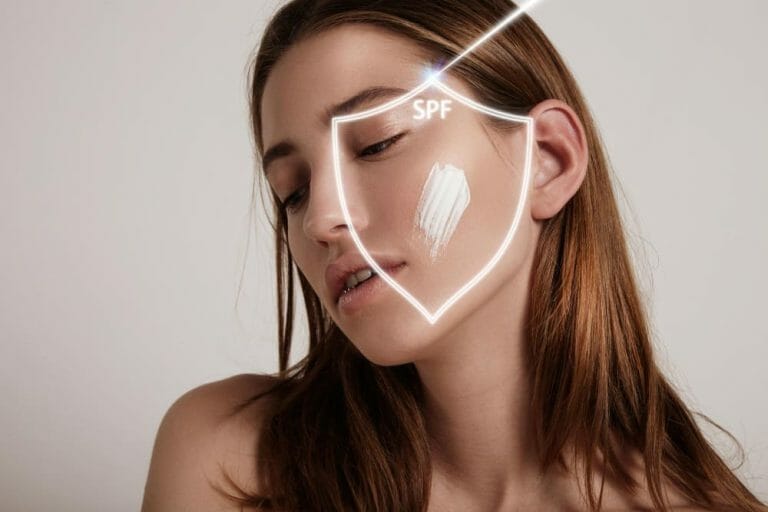
Be sure to use a broad-spectrum sunscreen with a sun protection factor (SPF) of more than 30. Apply generously to all exposed areas of skin at least 15 minutes before sun exposure, and reapply every two hours, or after swimming or sweating.
Protecting the Eyes
Buy sunglasses that block UVA and UVB rays to protect your eyes from the sun's radiation.
Avoid tanning beds
Tanning beds emit UV radiation that can damage the skin and increase the risk of skin cancer; the best option is to avoid using them altogether.
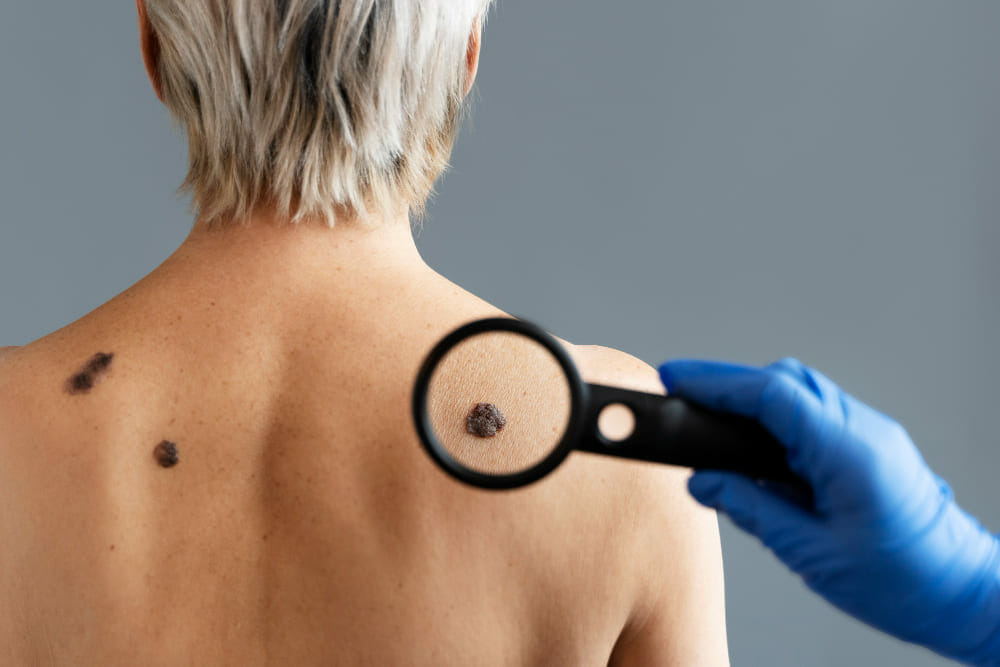
Perform regular skin self-exams
Check your skin regularly for any changes, including new moles, growths, or changes in the appearance of existing moles. See a doctor right away if you notice any suspicious changes.
Maintaining a Healthy Lifestyle
Maintaining a healthy weight and eating a balanced diet help keep your skin healthy overall. In addition, avoiding tobacco and limiting alcohol consumption can also be beneficial.