Hysterectomy
What Is a Hysterectomy?
A hysterectomy is a surgical procedure that involves the removal of the uterus and sometimes includes the removal of other pelvic organs and tissues. There are several types of hysterectomy, depending on which part of the uterus and other areas are removed.
Reasons for Having a Hysterectomy
Hysterectomies are performed for a variety of reasons, including:
- Treatment of gynecologic cancer.
- Uterine fibroids.
- Endometriosis.
- Uterine transplant.
- Abnormal uterine bleeding.
- Uterine prolapse.
Types of Hysterectomy
Total Hysterectomy
In a total hysterectomy, the entire uterus, including the cervix, is removed. This type of hysterectomy is common in cases of cervical and endometrial cancer.
Subtotal hysterectomy
Also known as a partial or supracervical hysterectomy, this procedure involves removing the body of the uterus while leaving the cervix intact. It is generally recommended in cases where there is no cancer present.
Radical hysterectomy
A radical hysterectomy involves the removal of the uterus, the cervix, the upper part of the vagina, and the surrounding tissues. This type of procedure is primarily performed on women with advanced cervical cancer.
Differences Among Types of Hysterectomy
| Type | Deleted Parts | Directions |
|---|---|---|
| Total Hysterectomy | Uterus and Cervix | Cervical and Endometrial Cancer |
| Subtotal hysterectomy | Uterus only | Fibroids, endometriosis |
| Radical hysterectomy | Uterus, cervix, upper part of the vagina, surrounding tissues | Advanced Cervical Cancer |

Surgery
Whether for diagnostic, curative, palliative, or preventive purposes, it can be applied as needed and in the patient's best interest at that moment.
Hysterectomy Procedure
Preparation for Surgery
Before surgery, you will undergo several preoperative tests to assess your health. You will be asked to fast and to prepare your home for your recovery. You will also receive instructions about which medications you may or may not take.
Surgical techniques used (open, laparoscopic, robotic)
There are different techniques for performing a hysterectomy:
- Open: Involves a large incision in the abdomen.
- Laparoscopic: A laparoscope and small incisions are used.
- Robotics: Use of a robotic system controlled by the surgeon.
Postoperative Recovery
Recovery time varies depending on the type of surgery performed. Generally, patients can return to their normal activities in about six weeks. During this period, it is crucial to follow medical instructions to avoid complications.
Contact us at
. Schedule an appointment
Request a consultation


Schedule Your First Consultation Today
Don't wait any longer to take control of your health— schedule your first consultation today! Contact us and let us guide you on the path to a healthier life.
CONTACT USRisks and Complications of Hysterectomy
Common Risks
Some of the common risks include:
- Infections.
- Excessive bleeding.
- Adverse reactions to anesthesia.
Short- and Long-Term Complications
Short-term complications include pain and postoperative infections, while in the long term, you may experience hormonal changes and, in some cases, problems with bowel or bladder function.
How to Deal with Them
The key to managing complications is to follow your doctor's instructions, attend all follow-up appointments, and report any unusual symptoms immediately.
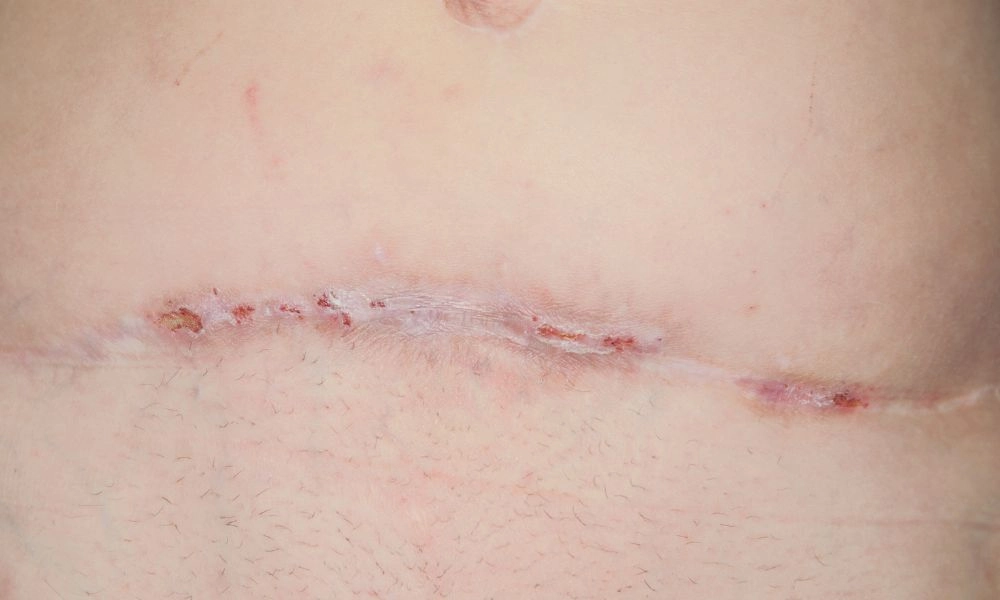

Benefits and Outcomes of a Hysterectomy in the Context of the Fight Against Cancer
Reduced Risk of Cancer
A hysterectomy can be a crucial preventive or therapeutic measure in the treatment of gynecological cancer, significantly reducing the risk and spread of the disease.
Improving Quality of Life
For many women, undergoing a hysterectomy leads to a significant improvement in quality of life, especially when the surgery relieves persistent and debilitating symptoms.
Patient Testimonials
Here are some testimonials from patients who have undergone this procedure at the Panama Cancer Clinic:
"The hysterectomy gave me a second chance. Now, I enjoy a life free from the pain and complications caused by my uterine problems." "The team at Panama Cancer Clinic supported me every step of the way. I am grateful for the attention and care I received."
Comprehensive Care at the Panama Cancer Clinic
Our Multidisciplinary Team
We have a team of professionals from various medical specialties who work together to provide comprehensive and personalized care.
Related oncology services
We offer a full range of oncology services, including chemotherapy, radiation therapy, and targeted therapies, tailored to each patient.
Programs for Mental, Physical, and Spiritual Well-being
In addition to medical treatments, we offer psychological support programs, occupational therapy, and spiritual services to ensure a holistic recovery.
Frequently Asked Questions About Hysterectomy
Recovery time varies depending on the type of hysterectomy and the surgical technique used, but you can generally expect to make a full recovery in about six weeks.
Yes, there are alternatives such as hormone therapy, uterus-preserving surgery, and less invasive procedures such as endometrial ablation. The choice of treatment depends on each specific case.
A hysterectomy can affect a woman's sex life in various ways. Some women report improvements in their sex life due to the elimination of pain and bleeding, while others may experience a decrease in sexual desire. It is important to discuss these concerns with your doctor.