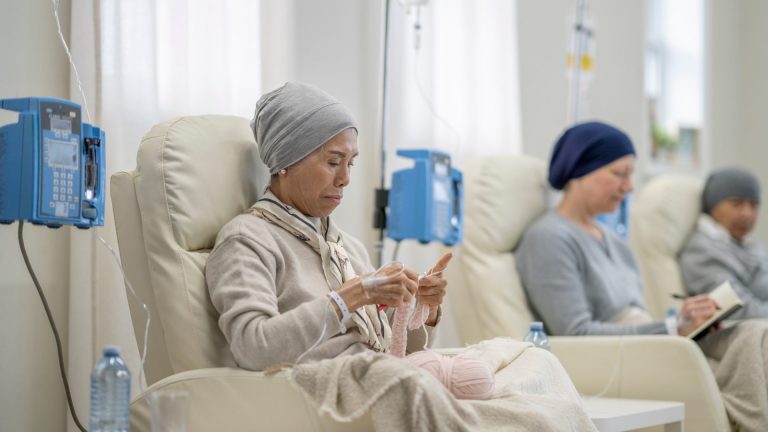
The treatment of breast cancer has evolved significantly, offering various options for patients. Among these options, chemotherapy remains a crucial component of cancer treatment. Chemotherapy can be administered in two main ways: orally and intravenously. Each method has its own advantages and disadvantages, and the choice between them depends on several factors, including the type and stage of the cancer, as well as the patient's preference and condition.
"Chemotherapy uses powerful drugs to destroy cancer cells, either by stopping their growth or by preventing them from dividing."
These drugs can be administered orally (in pill or capsule form) or intravenously (through a vein). Both methods serve the same purpose, but differ in their administration, efficacy, side effects and convenience.
Oral chemotherapy
Oral chemotherapy involves taking drugs in pill, capsule or liquid form. These drugs are absorbed through the digestive tract and enter the bloodstream to attack cancer cells.
Advantages:
- Convenience: Oral chemotherapy allows patients to take their treatment at home, avoiding the need for frequent visits to the hospital or clinic.
- Less invasive: It does not require the insertion of an intravenous line, which may be more comfortable and less stressful for some patients.
- Flexibility: Patients can adjust the timing of their medications according to their daily routine, which can improve adherence to treatment.
Intravenous chemotherapy
Intravenous (IV) chemotherapy is administered directly into the bloodstream through a vein using a needle or catheter. This method allows the drug to be rapidly distributed throughout the body.
Advantages:
- Direct absorption: Intravenous administration ensures that the drug reaches the bloodstream directly, providing a more controlled and effective dose.
- Medical monitoring: Administration in a clinical setting allows close monitoring by healthcare professionals, which can improve the management of side effects.
- High-dose efficacy: Allows the administration of higher doses of drugs that may be necessary for certain types of cancer or advanced stages.
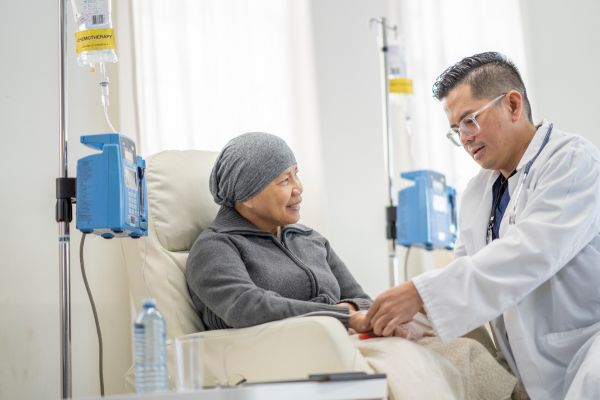
Intravenous Chemotherapy
Considerations in the choice of treatment
The recommendation between oral and intravenous chemotherapy is based on several clinical and personal factors affecting the patient:
-
Type and stage of cancer:
- Intravenous chemotherapy is usually recommended in advanced stages of breast cancer or when higher, controlled doses of the drug are required. It is particularly useful in situations where the cancer has spread to other organs.
- Oral chemotherapy may be suitable for certain types of breast cancer at earlier stages or as maintenance treatment, providing a convenient option for long-term administration.
-
General health and pre-existing conditions:
- If a patient has difficulty tolerating intravenous procedures due to fragile veins, frequent infections or fear of needles, oral chemotherapy may be a preferred option.
- In patients with gastrointestinal problems or who have difficulty absorbing oral medications, intravenous chemotherapy may be more effective and safer.
-
Efficacy and side effects:
- Intravenous chemotherapy allows for more controlled drug delivery, which can be crucial for certain intensive treatment regimens.
- Oral chemotherapy may be preferred when the gastrointestinal side effects of intravenous drugs are too severe, or when a less invasive approach is needed for long-term administration.
"Each treatment decision is personalized and made in conjunction with the patient, ensuring that all options and their implications are clearly understood."
The choice between oral and intravenous chemotherapy for breast cancer treatment is a decision that should be made in conjunction with your health care team. Each option has its own advantages and disadvantages, and it is important to consider all factors to make the best decision for your individual situation.
At Panama Cancer Clinic, we are committed to providing the information and support necessary to help you navigate your treatment options. If you have questions or need more information about our chemotherapy options, please do not hesitate to contact us.
Specialists: