Soft Tissue Sarcoma
Soft tissue sarcoma is a rare type of cancer that originates in the soft tissues of the body, such as muscles, tendons, fat, blood vessels and nerves.
Personalized treatment for a better quality of life
Soft tissue sarcoma is a challenging disease, but with proper treatment and support, it can be overcome. At Panama Cancer Clinic, we provide comprehensive care to each cancer patient, focusing on their physical, emotional and mental well-being. Our goal is to offer them the most effective treatment options and to accompany them at every stage of their road to recovery.

Soft tissue sarcoma accounts for approximately 1% of all cancers diagnosed in adults and 15% of pediatric cases of soft tissue cancer.

There are more than 50 different subtypes of soft tissue sarcoma, the most common being liposarcoma, leiomyosarcoma and Ewing's sarcoma.

Diagnosis and Staging
The first step in combating soft tissue sarcoma is to obtain an accurate diagnosis and correct staging. Identifying the disease and determining its extent helps to plan the appropriate treatment.

General Welfare
Attention to psychological well-being is essential; therefore, our patients receive psychological support as an integral part of their treatment, helping them to face the disease with greater emotional strength.

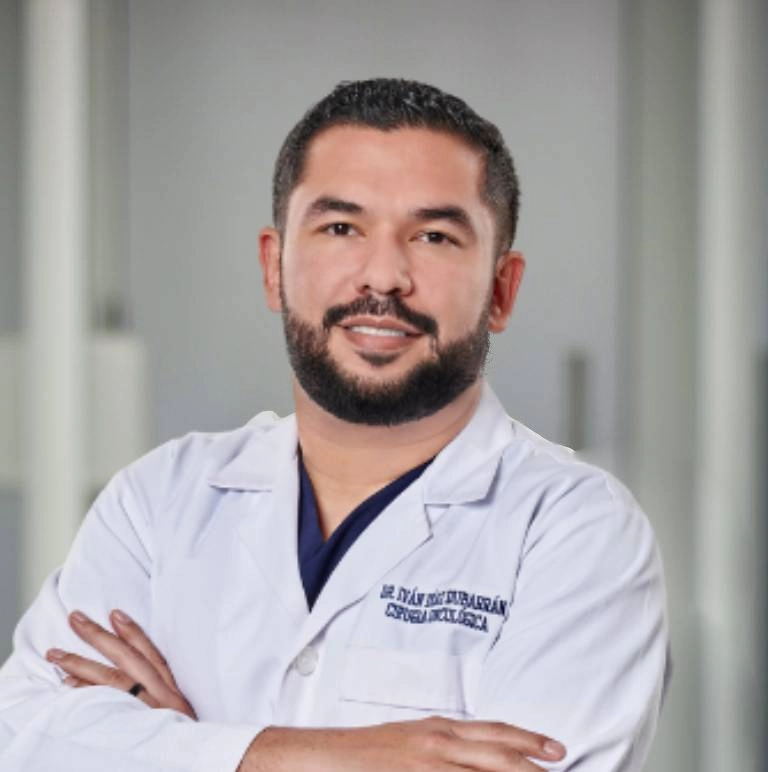
The Specialist
The experience and knowledge of our multidisciplinary team guarantees that each patient receives personalized treatment and the best possible oncological care.
What is soft tissue sarcoma?
Soft tissue sarcoma is a type of cancer that originates in the soft tissues of the body, including muscles, tendons, fat, blood vessels and nerves. Unlike carcinomas, which originate in epithelial cells, sarcomas develop in mesenchymal cells, which are the cells that form the body's connective tissues.
Types of soft tissue sarcoma
Soft tissue sarcomas can be classified into different subtypes based on the type of cells and growth patterns seen in the tumor. Some of the most common types of soft tissue sarcoma include:
Liposarcoma:
This type of sarcoma originates in adipose (fat) cells. It can occur in different parts of the body, such as the thighs, arms and abdomen. Liposarcoma can be divided into subtypes, such as well-differentiated, myxoid, pleomorphic and dedifferentiated liposarcoma.
Leiomyosarcoma:
Leiomyosarcoma develops in smooth muscle cells. It can affect different organs and tissues, including the uterus, blood vessels and deep soft tissues.
Ewing's sarcoma:
Ewing's sarcoma mainly affects children and young adults. It occurs in the cells of bone tissue and can spread to nearby soft tissues. Ewing's sarcoma usually occurs in the bones of the legs, arms, ribs and pelvis.
Symptoms of soft tissue sarcoma
Symptoms of this type of sarcoma can vary, but generally include:
Appearance of a lump or mass in the affected area.
Swelling or enlargement in the affected area.
Persistent pain in the affected area.
Sensation of pressure or discomfort in the affected area.
Limitation of movement or function in the compromised area.
Generalized fatigue or weakness.
Contact us at
. Schedule an appointment
Request a consultation


Risk Factors
The most important risk factors in soft tissue sarcoma are:
Exposure to toxic chemicals, such as herbicides, pesticides or industrial substances.
Previous radiotherapy in the affected area.
Family history of soft tissue sarcoma or certain genetic disorders.
Presence of hereditary syndromes, such as Li-Fraumeni syndrome or Becker Nevus syndrome.
Advanced age, as the risk increases with age.
Screening tests
The diagnosis of soft tissue sarcoma is made through:
X-rays
The physician inspects the patient's body for the presence of masses or lumps.
Imaging tests
At the hint of a suspicious mass, magnetic resonance imaging (MRI) or computed tomography (CT) may be necessary to visualize the lesion and determine its extent.
Biopsy
It involves the careful removal of a tissue sample for laboratory analysis and confirmation of the diagnosis.
Blood and genetic testing
These can help detect certain genetic alterations related to soft tissue sarcoma.
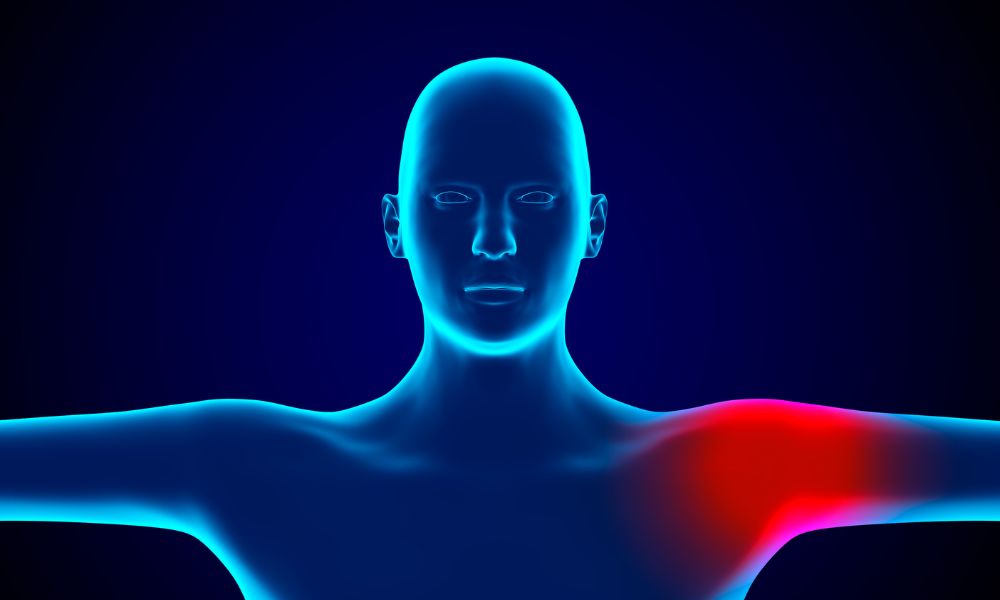

Treatment for soft tissue sarcoma
The recommended treatment will depend on the type and stage of sarcoma, as well as the patient's individual characteristics. Options include:
Surgery
It is used to remove the tumor and a quantity of surrounding healthy tissue in an attempt to completely eliminate the sarcoma.
Chemotherapy
Chemotherapy helps destroy cancer cells by means of drugs administered orally or intravenously.
Radiation Therapy
It is applied with the aim of destroying cancer cells by using high-energy radiation in the affected area.
Targeted therapy
This approach works with specific drugs that target the molecular alterations present in soft tissue sarcoma.
Immunotherapy
In immunotherapy, drugs are used to stimulate the patient's immune system, so that the patient can cope with the cancer on his or her own.


Prevention
There is no definitive way to prevent soft tissue sarcoma. However, certain measures can be taken to reduce the risk; among them:
Avoid exposure to toxic chemicals.
Maintain a healthy lifestyle, including a balanced diet and regular physical activity.
Perform regular medical check-ups and watch for any unusual changes or symptoms.