Linfoma no Hodgkin
Non-Hodgkin's lymphoma is an aggressive type of cancer affecting the lymphatic system that can occur in people of all ages, although it is more common in older adults.
Multidisciplinary approach in the treatment of non-Hodgkin's lymphoma.
Going to a specialized oncology center for the treatment of non-Hodgkin's lymphoma is of vital importance, since in addition to receiving comprehensive care from a medical team made up of oncologists, hematologists, radiotherapists and other health professionals, they also have state-of-the-art technology and updated therapeutic options that can make a difference in the outcome of the treatment.

Designing an effective treatment plan tailored to the specific needs of the patient is essential to deal with the disease in an optimal way.

Long-term survival for non-Hodgkin's lymphoma has improved significantly in recent decades due to medical advances in diagnosis and treatment.

Personalized approach
The treatment of non-Hodgkin's lymphoma depends on the subtype and stage of the disease; therefore, our specialists are in charge of diagnosing, treating and carefully monitoring the evolution of the disease.

General Welfare
Through psycho-oncology, we will help you face emotional challenges with strategies to cope with stress and anxiety, and improve your quality of life throughout the treatment process.

The Specialist
Our oncologists take into account the patient's needs and preferences when developing an individualized treatment plan; where they also encourage shared decision-making based on treatment options and their potential side effects.
What is non-Hodgkin's lymphoma?
Non-Hodgkin's lymphoma occurs when healthy B cells, T cells or NK cells in the lymphatic system undergo changes and begin to grow in an uncontrolled manner. This type of lymphoma comprises several different subtypes and can present with a wide range of signs and symptoms.
Types of Non-Hodgkin's Lymphoma
Non-Hodgkin's lymphoma is subdivided into several subtypes that are differentiated by the appearance of the cancer cells, clinical behavior and other factors. These are some of the most common subtypes of non-Hodgkin's lymphoma:
Diffuse large B-cell lymphoma (DLBCL)
This is the most common subtype of adult non-Hodgkin's lymphoma. The cancer cells are large and occur diffusely.
Follicular lymphoma (FL)
This subtype is characterized by the formation of nodules or follicles in the lymph nodes. It is a slow-growing lymphoma and can affect multiple areas of the body.
Mantle cell lymphoma (MCL)
The presence of MCL is manifested by small, round cells that resemble lymph follicle mantle cells. It is a fast-growing lymphoma.
Margin margin cell lymphoma (MALT)
It originates in the mucosal lymphoid tissue associated with lymphoid tissues. It can affect different organs such as the stomach, lungs and thyroid gland.
Linfoma de Burkitt
This is a fast-growing lymphoma characterized by the presence of large cells and intense proliferation, being more common in children and young adults.
Contact us at
. Schedule an appointment
Request a consultation

Symptoms of non-Hodgkin's lymphoma
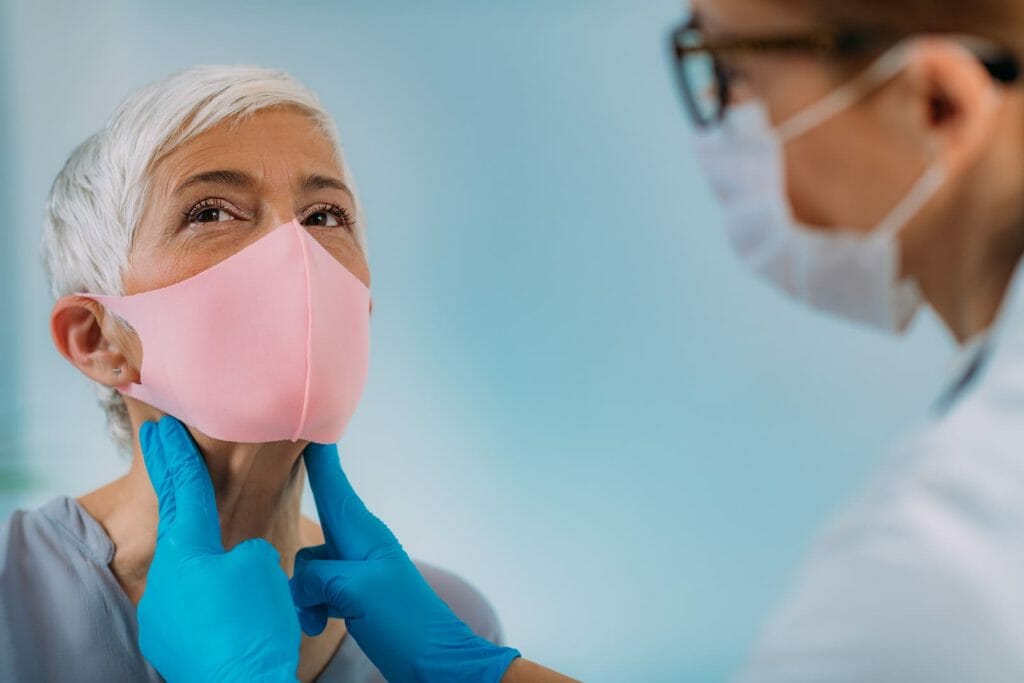
Symptoms of non-Hodgkin's lymphoma may vary depending on the specific subtype and location of the cancer in the body. The most common signs are:
Enlarged lymph nodes (neck, armpits, groin or above the collarbone).
B symptoms (unexplained fever, night sweats and unexplained weight loss).
Persistent fatigue and lack of energy.
Itchy skin, especially after taking a hot shower.
Pain in the chest, abdomen or other affected areas.
Causes and Risk Factors of Non-Hodgkin's lymphoma
The exact causes of non-Hodgkin's lymphoma are still under investigation. However, some risk factors and possible causes associated with this disease have been identified, among them we can mention:
Genetic alterations:
Changes in DNA can trigger the transformation of normal lymphocytes into cancer cells. These alterations can be inherited or acquired throughout life.
Viral infections:
Some viral infections, such as Epstein-Barr virus (EBV), human immunodeficiency virus (HIV) and human T-cell lymphotropic virus (HTLV-1), have been associated with an increased risk of developing non-Hodgkin's lymphoma.
Immunodeficiency:
People with weakened immune systems, whether due to genetic disease, taking immunosuppressive drugs or HIV infection, are at higher risk for this disease.
Exposure to certain chemicals and substances:
Some chemicals and substances such as glyphosate (a commonly used herbicide) and certain industrial solvents have been linked to the development of non-Hodgkin's lymphoma.
Treatments for non-Hodgkin's lymphoma
Treatment of non-Hodgkin's lymphoma can vary depending on the type and stage of the cancer, as well as the patient's individual characteristics. Some of the treatments commonly used in cases of non-Hodgkin's lymphoma include:
Chemotherapy:
Drugs are used to destroy cancer cells throughout the body. Chemotherapy may be given orally, intravenously or as a combination of both.
Immunotherapy
This therapy uses the patient's own immune system to fight the cancer. The drugs can stimulate the immune system to attack cancer cells.

Targeted therapy
Drugs are used that specifically target genetic alterations or abnormal proteins in cancer cells, blocking their growth and spread.
Radiation Therapy
High-energy radiation is used to destroy cancer cells. Radiation therapy may be administered externally or internally, depending on the type and location of the lymphoma.
Stem cell transplantation
In some cases of high-risk or recurrent non-Hodgkin's lymphoma, a stem cell transplant may be considered. This involves replacing damaged blood cells with healthy stem cells.