Multiple Myeloma
Multiple myeloma is a rare cancer that accounts for only 1-2% of all malignancies. The incidence and prevalence rate of multiple myeloma varies worldwide. Although this disease is considered treatable, its aggressiveness leads to a survival rate of about 54%.
We use every resource for the well-being of oncology patients.
Multiple myeloma can present different levels of aggressiveness, which can affect both prognosis and treatment. In Panama Cancer Clinic we have a multidisciplinary team of professionals who work together to provide comprehensive and personalized care to each patient in order to achieve the best results.

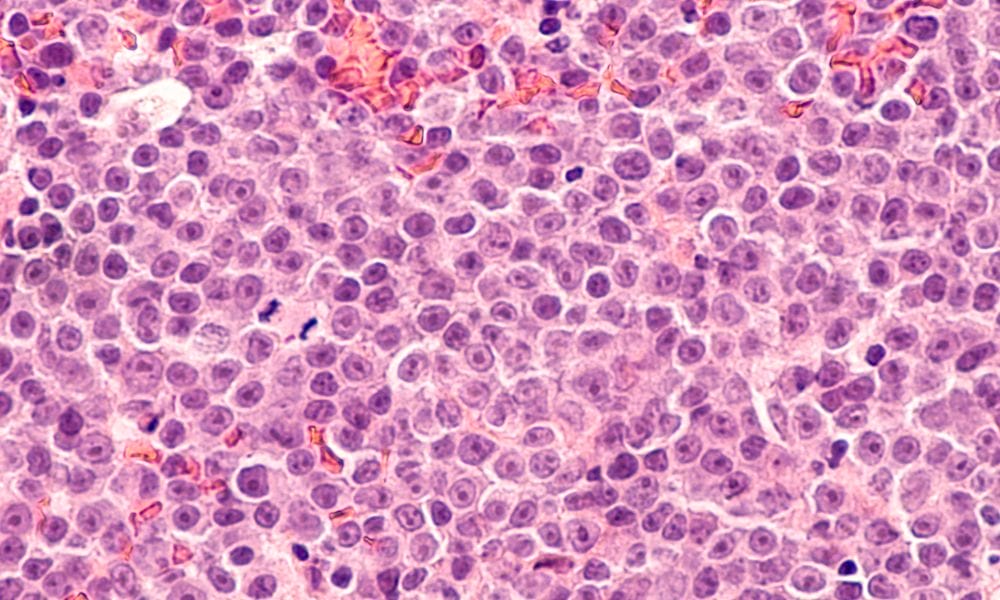
Plasma cells normally make up 5% of the bone marrow cells, in multiple myeloma these cells become more than 10%.

The abnormal proliferation of plasma cells leaves little room in the marrow for the development of healthy stem cells.

Diagnosis and Staging
The types of multiple myeloma can be quite different from each other, so it is important to obtain an accurate diagnosis and treat the disease according to its specific characteristics.

General Welfare
Our mental health professionals will help you manage your emotional difficulties (personal and family) through psycho-oncology.

The Specialist
The treatment of multiple myeloma may require the intervention of specialists in various areas (medical oncology, radiation oncology, oncological surgery, among others).
What is multiple myeloma?
Multiple myeloma is a rare cancer of the plasma cells; these cells are a type of white blood cell responsible for producing antibodies. The disease is characterized by bone pain, anemia, kidney problems, infections and more.
Symptoms of multiple myeloma
Multiple myeloma can have a number of symptoms; however, affected individuals may not have symptoms in the early stages of the disease. Some of the signs that people with this condition notice include:
Bone pain (especially in the spine, ribs, or hip)
Extreme fatigue and weakness.
Anemia.
Repeated infections.
Easy bruising and skin irritation.
Increased sensation of thirst.
Need to urinate more frequently.
Unexplained weight loss.
Nausea and vomiting.
Constipation.
Types of myelomas
There are different types of multiple myeloma that are classified according to the type of immunoglobulin (antibody) produced by the cancer cells. Among the main types of multiple myeloma are:
Symptomatic multiple myeloma:
It is the most common type of multiple myeloma and is characterized by the presence of symptoms such as bone pain, anemia and kidney problems.
Light chain myeloma:
Refers to a type of myeloma in which immunoglobulin light chains are produced instead of full immunoglobulin chains.
Non-secretory multiple myeloma:
This type of myeloma does not produce immunoglobulins, which makes it more difficult to detect.
Extramedullary plasma cell myeloma:
It is a type of myeloma that is located outside the bone marrow and usually affects the soft tissues, lymph nodes or gastrointestinal tract.
Contact us at
. Schedule an appointment
Request a consultation

Screening tests
Multiple myeloma is diagnosed by different tests that may include:
Blood tests:
To measure blood cell levels (proteins, calcium, creatinine and other elements that may be altered by myeloma). This study can also evaluate the levels of immunoglobulins (antibodies) and detect the presence of an abnormal antibody called monoclonal protein or M protein.
Urinalysis:
They are used to determine the amount of protein excreted in the urine and to detect the presence of M protein or antibody light chains.
Bone marrow biopsy:
A sample of bone marrow tissue is removed with a needle and abnormal plasma cells are identified under the microscope.
Imaging studies:
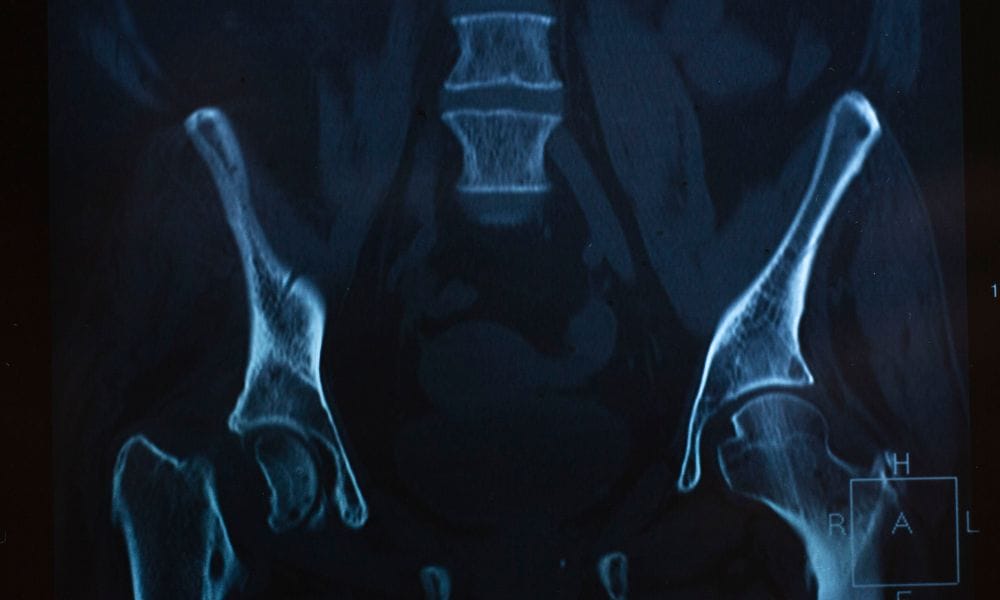
X-rays, CT scans, MRI and/or PET scans are often used to visualize the bones and internal organs to detect possible damage caused by myeloma.
Risk Factors
A risk factor is anything that increases the probability of developing a certain disease. In the case of multiple myeloma, these factors are:
Advanced age:
The risk of developing multiple myeloma increases with age; most people are diagnosed with multiple myeloma by the age of 65 (the disease is usually very rare in people younger than 40).
Male sex:
Men are slightly more likely to have multiple myeloma compared to women.
Race:
Multiple myeloma occurs more regularly in dark-skinned people; its frequency is twice as high as in Caucasians. The cause of this is unknown.
Family history:
Multiple myeloma appears to occur more frequently in people with immediate family members with the same disease.
Endometriosis:
Women with endometrial tissue disorders are more vulnerable to ovarian cancer.
Obesity:
Being overweight or obese increases a person's risk of myeloma.
Other plasma cell diseases:
People with monoclonal gammopathy of undetermined significance (MGUS) or solitary plasmacytoma have a higher risk of developing multiple myeloma than someone who does not have these diseases.
Exposure to chemicals or radiation:
Exposure to radiation or certain chemicals, such as benzene, pesticides or herbicides may increase the risk of myeloma.
Prevention
There are currently no known measures to prevent multiple myeloma; very few cases of myeloma are related to preventable risk factors. As far as has been studied, obesity is the only modifiable risk factor for multiple myeloma, so maintaining an adequate weight and regular physical exercise may contribute to reducing this risk.
Treatment for multiple myeloma
Treatment for multiple myeloma may vary depending on the severity of the disease and the individual characteristics of the patient. In the treatment of this disease, one or more of the following options may be applied:
Targeted therapy:
This therapy uses drugs that target specific cancer cells and minimize damage to normal cells.
Chemotherapy:
Chemotherapy uses drugs to kill cancer cells throughout the body.
Stem cell transplantation:
This treatment involves the collection of stem cells from the patient or a donor, followed by the destruction of the cancer cells with chemotherapy or radiation. Finally, healthy stem cells are infused into the patient.
Stem cell transplantation:
This treatment involves the collection of stem cells from the patient or a donor, followed by the destruction of the cancer cells with chemotherapy or radiation. Finally, healthy stem cells are infused into the patient.
Radiotherapy:
This therapy uses high-energy radiation to destroy cancer cells.
Complications
Multiple myeloma can cause several complications, including:
Frequent infections:
The abnormal myeloma cells can weaken the body's immune system, increasing susceptibility to infection.
Renal insufficiency:
Some patients with multiple myeloma may develop kidney failure due to damage to the kidneys caused by abnormal proteins produced by the cancer cells.
Anemia:
Multiple myeloma can cause anemia and result in the body not having enough healthy red blood cells to carry oxygen through the body.
Bone pain:
Multiple myeloma can weaken bones and increase the risk of fractures.
Hypercalcemia:
Elevated levels of calcium in the blood can be dangerous and may be caused by multiple myeloma.