Eye cancer
Eye cancer, although rare, is a disease that can profoundly affect the quality of life of children and adults.
A holistic approach, a new hope
Eye cancer is an extremely rare type of tumor that requires specialized treatment, addressing both the physical and emotional aspects of the disease. Panama Cancer Clinic's mission is to provide hope and high-quality medical care through a multidisciplinary and compassionate approach.

Uveal melanoma is the most common eye cancer in adults, with an incidence of approximately 6 cases per million people per year.

Exposure to UV radiation is a significant risk factor for the development of certain types of eye cancer.

Diagnosis and Staging
Early diagnosis and accurate staging of eye cancer are essential for determining the most appropriate treatment and increasing the chances of success.

General Welfare
We have psycho-oncology professionals who provide emotional and psychological support to each patient, thereby promoting their physical and mental well-being during the healing process.

The Specialist
We have a multidisciplinary team of experts in oncology, ophthalmology, radiology, and other specialties who work together to provide effective and coordinated treatment.
What is eye cancer?
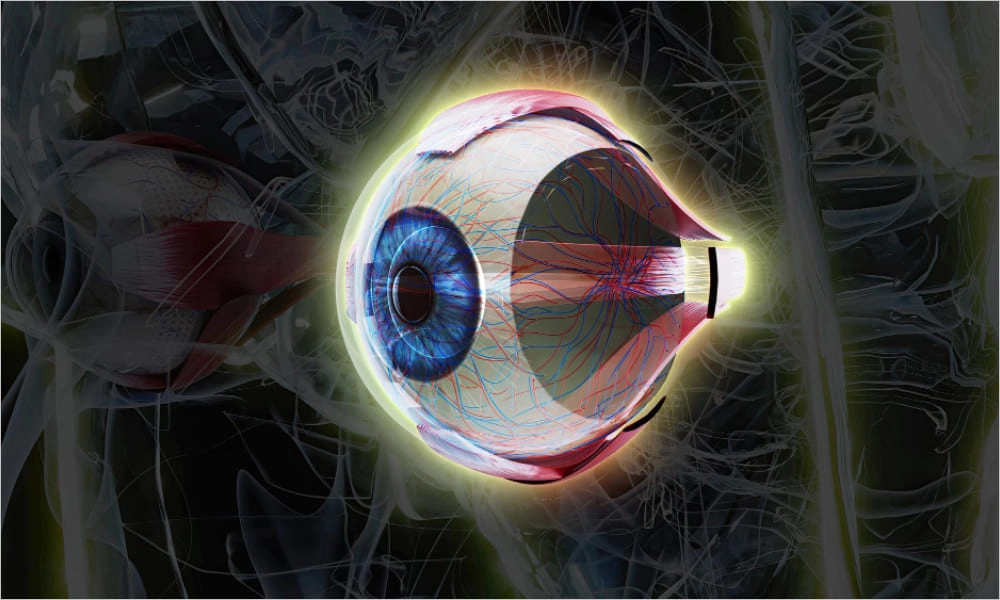
Eye cancer is a disease in which malignant cells develop in the tissues of the eye. It can originate in different parts of the eye, such as the uvea, conjunctiva, or orbit. Although less common than other types of cancer, its impact can be significant, affecting not only vision but also the patient's appearance and overall health.
Types of Eye Cancer
The main types of eye cancer are:
Uveal melanoma:
It is the most common type of eye cancer in adults. It originates in the uvea (the middle layer of the eye), which includes the iris, ciliary body, and choroid.
Ocular Lymphoma:
It mainly affects older people and usually develops in the conjunctiva or the vitreous humor.
Retinoblastoma:
It is a type of eye cancer that primarily affects children and originates in the retina. It is highly treatable if detected early.
Conjunctival carcinoma:
A rare type of cancer that develops in the conjunctiva, the membrane that covers the white part of the eye and the inside of the eyelids.
Symptoms of Eye Cancer
Symptoms of eye cancer can vary depending on the type and location of the tumor. Some of the most common symptoms include:
Blurred vision or loss of vision.
Dark spots on the iris.
A sensation of something "floating" in the visual field.
Pain in or around the eye.
A lump in the eye or changes in its appearance.
Contact us at
. Schedule an appointment
Request a consultation
Risk Factors
Risk factors associated with eye cancer include:
Exposure to ultraviolet (UV) radiation.
Having a family history of eye cancer.
Having certain hereditary conditions, such as dysplastic nevus syndrome.
Advanced age, especially in cases of uveal melanoma and ocular lymphoma.
Screening tests
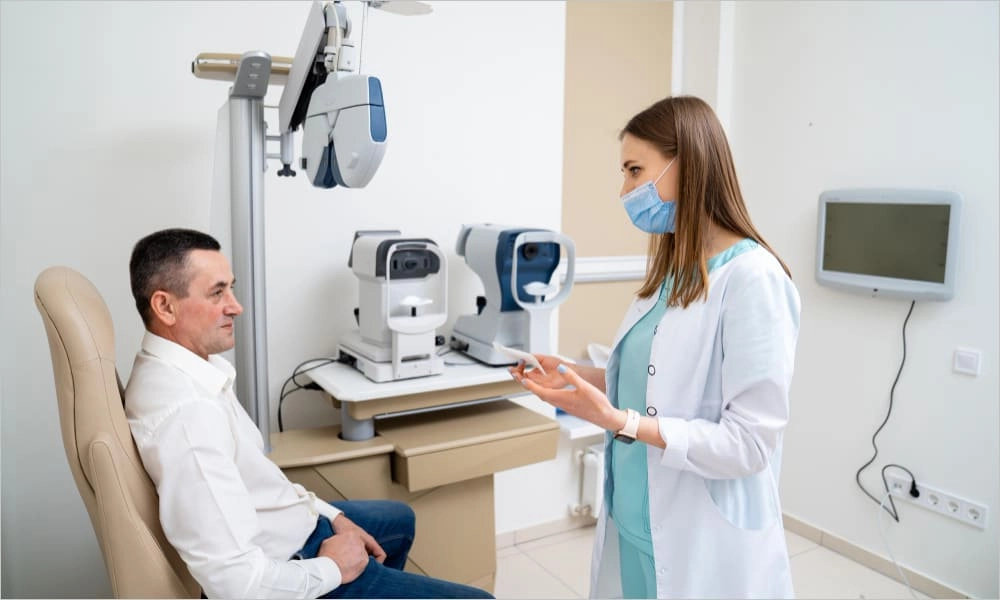
To confirm or rule out the presence of eye cancer, it is necessary to perform several diagnostic tests. These include:
Comprehensive Ophthalmologic Examination:
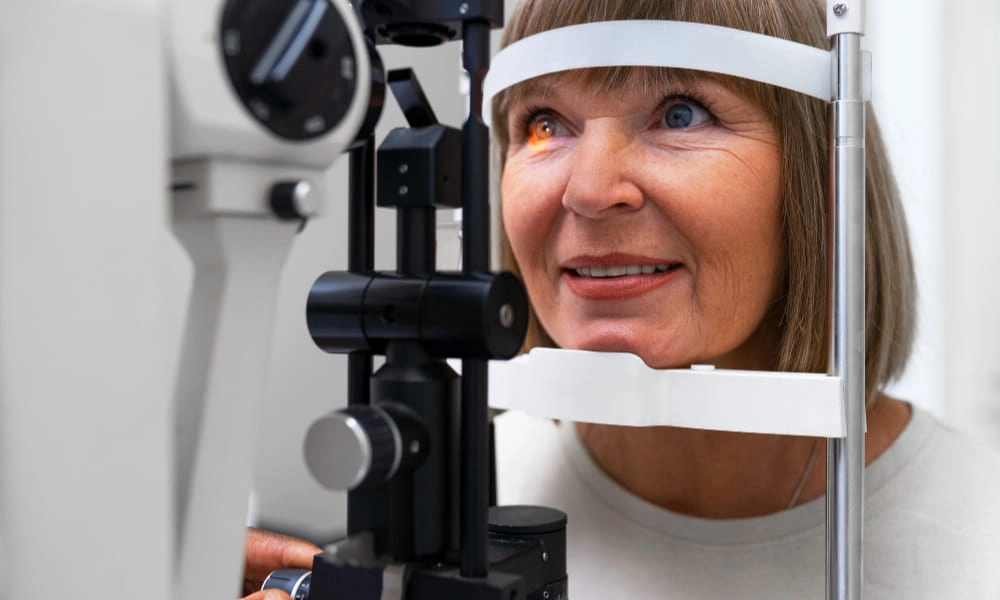
It includes a detailed examination of the eye using an ophthalmoscope.
Ocular Ultrasound:
It uses sound waves to create images of the inside of the eye.
Optical Coherence Tomography (OCT):
It provides detailed images of the different layers of the eye.
Biopsy:
In certain cases, a tissue sample may be taken for laboratory analysis.

Treatment for Eye Cancer
Treatment for eye cancer depends on the type, location, and stage of the tumor. As such, treatment options may include the following:
Radiation Therapy
The use of radiation to kill cancer cells and stop their growth. Radiation therapy can be administered either from outside the eye, using a machine, or from inside the eye, through a small radiation source placed inside the eye.
Laser Therapy
It involves the use of a high-energy laser beam that specifically targets the eye tumor. The goal of this treatment is to destroy the cancer cells without damaging the surrounding healthy tissue.
Chemotherapy
In cases of retinoblastoma or ocular lymphoma, anticancer drugs may be administered orally or intravenously. These drugs travel through the bloodstream and attack cancer cells throughout the body, including the eye.
Surgery
Surgery is used to remove the tumor or the affected eye (enucleation), if necessary. However, this option is only considered when the cancer is at an advanced stage or when other treatments have failed.

Prevention
Although eye cancer cannot always be prevented, certain measures can help minimize the risk. In these cases, it is recommended that:
Wear sunglasses with UV protection to protect your eyes from ultraviolet radiation.
Avoid excessive sun exposure during peak hours.
Have regular eye exams, especially if you have a family history of eye cancer.