Carcinoma
What is Carcinoma?
Carcinoma is a type of cancer that originates in epithelial cells, which cover both the inside and outside of the body. These cells are responsible for forming the skin and the lining of internal organs. There are several types of carcinomas, each with its own characteristics and growth patterns.
Types of Common Carcinomas
- Basal cell carcinoma: Commonly found in the skin, it is the most common type of skin cancer and usually does not spread to other parts of the body.
- Squamous cell carcinoma: Also common in the skin and in the lining of various organs, this type can be more aggressive and has the ability to metastasize.
- Adenocarcinoma: Originating in glandular cells, it is common in organs such as the lung, breast, and pancreas.
- Transitional cell carcinoma: Found mainly in the urinary tract, including the bladder and kidneys.
Diagnosis of Carcinoma
Diagnostic Methods
To diagnose a carcinoma, several methods are used that allow physicians to identify the presence and extent of the cancer. These methods include:
- Biopsy: Extraction of a small tissue sample for laboratory analysis.
- Imaging: Techniques such as X-rays, computed tomography (CT), magnetic resonance imaging (MRI) and ultrasound.
- Physical examination: Visual inspection and palpation of suspicious areas.
Common Tests and Examinations
| Test | Description |
|---|---|
| Biopsy | Extraction and analysis of a tissue sample. |
| Computed Tomography (CT) | It scans the body in detailed sections using X-rays. |
| Magnetic Resonance Imaging (MRI) | It uses magnets and radio waves to create detailed images of organs. |
| Ultrasound | It uses sound waves to produce images of internal structures. |
Carcinoma Treatments
Oncologic Surgery
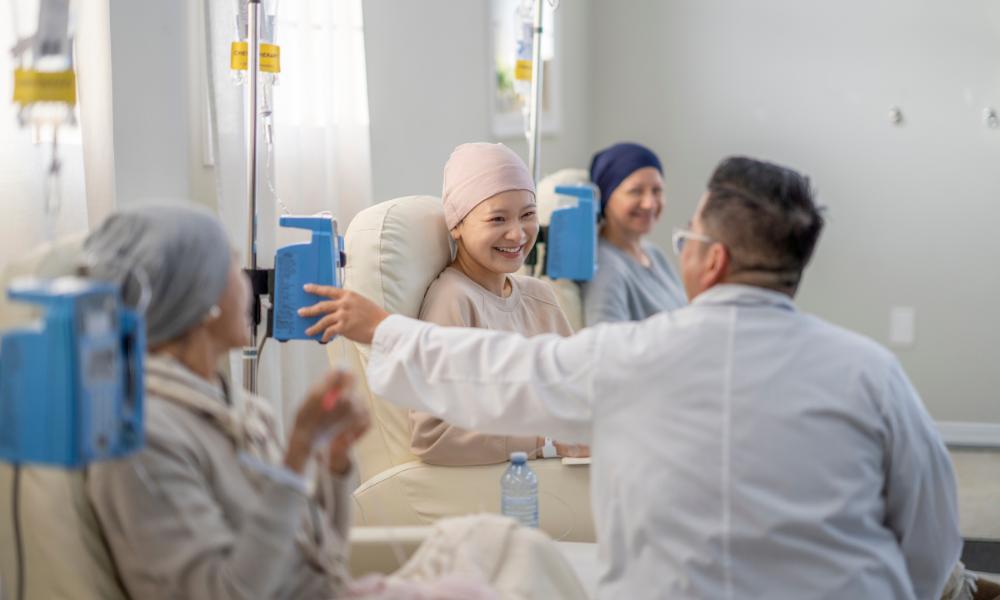
Surgery is often the first step in the treatment of carcinoma. It involves removal of the tumor and sometimes surrounding tissues to ensure that the cancer is completely removed. In cases of advanced carcinomas, surgery may be combined with other treatments such as chemotherapy or radiation therapy.
Radiation Therapy
Radiation therapy uses high-energy rays to destroy cancer cells. It can be applied alone or in combination with surgery and chemotherapy. It is particularly useful in cases where surgery is not a viable option or when the aim is to reduce the size of the tumor before surgery.
Chemotherapy
This treatment uses drugs to destroy cancer cells or stop their growth. Chemotherapy can be given orally or intravenously and is usually used when the carcinoma has spread to other parts of the body.
Immunological Treatments
Immunological treatments strengthen the patient's immune system so that it can fight cancer more effectively. They include monoclonal antibody therapies and cancer vaccines.
Palliative Care
Palliative care focuses on improving the quality of life of patients with advanced cancer. It includes pain management, emotional support and other services to improve the well-being of patients and their families.
Contact us at
. Schedule an appointment
Request a consultation

Schedule Your First Consultation Today
Don't wait any longer to take control of your health— schedule your first consultation today! Contact us and let us guide you on the path to a healthier life.
CONTACT USRisk Factors
Genetic Factors
Some people have an increased risk of developing carcinoma due to genetic factors. These include inherited mutations in certain genes that may predispose individuals to specific types of cancer.
Environmental and Lifestyle Factors
There are several environmental and lifestyle factors that can increase the risk of carcinoma. These include:
- Exposure to ultraviolet (UV) radiation from the sun.
- Exposure to carcinogens in the work environment.
- Smoking and alcohol consumption.
- Unhealthy diet and obesity.

Prevention and Early Detection
Importance of Regular Checks
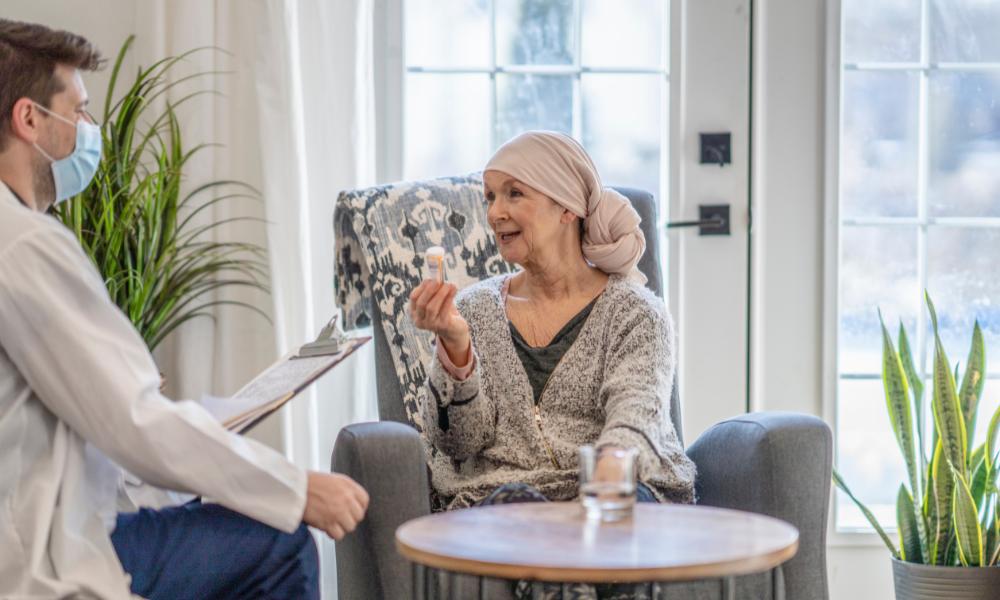
Regular checkups are essential for the early detection of carcinoma. These screenings increase the chances of identifying cancer in its early stages, when it is more treatable and treatment success rates are higher.
Lifestyle Changes
Adopting a healthy lifestyle can significantly reduce the risk of developing carcinoma. Some recommendations include:
- Avoid prolonged exposure to the sun and use sunscreen.
- Stop smoking and reduce alcohol consumption.
- Follow a balanced diet rich in fruits and vegetables.
- Regular physical activity.
Comprehensive Support at Panama Cancer Clinic
Multidisciplinary Care
At Panama Cancer Clinic, we offer multidisciplinary care that involves specialists from diverse areas to provide the best possible care. Our team includes oncologists, surgeons, radiologists, and support staff, all working together on an individualized treatment plan for each patient.
Modern Facilities
Our facilities are equipped with the most advanced technology for the diagnosis and treatment of carcinoma. We have state-of-the-art operating rooms, radiotherapy and chemotherapy equipment, and amenities to ensure the well-being of our patients.
Comprehensive Support
We understand that a carcinoma diagnosis can be overwhelming. That's why we offer comprehensive accompaniment that includes emotional support, nutritional counseling, and educational resources to help patients and their families navigate this difficult journey.