Vulvar cancer in Panama
Vulvar cancer is rare and accounts for approximately 4% of all gynecologic cancers.
Early diagnosis plays a crucial role in the management of this disease.
The five-year survival rate for stage I vulvar cancer is approximately 90%. However, as the cancer reaches more advanced stages, survival rates decrease. At Panama Cancer Clinic you will find effective cancer treatments to improve your prognosis.

Unlike other malignancies, vulvar cancer can affect women of all ages, including younger women.

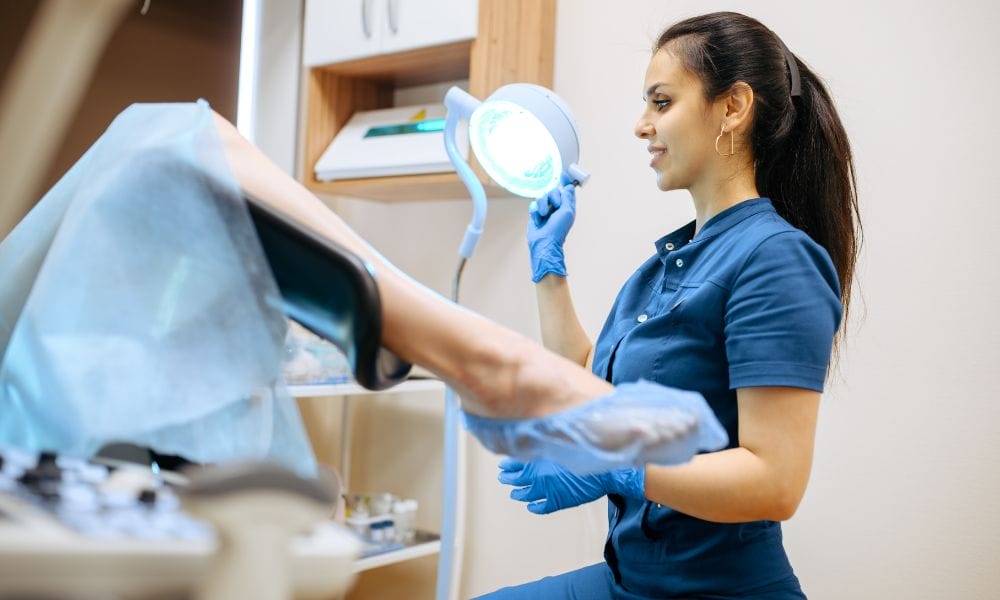
Through a routine gynecological check-up it is possible to detect abnormalities in the external area of the female genitalia.

Diagnosis and Staging
Both processes are essential to determine the presence and extent of vulvar cancer, as well as to plan the appropriate treatment and establish an accurate prognosis.

General Welfare
In addition to medical treatment, our multidisciplinary team provides psychological and emotional support to patients, helping them cope with the emotional challenges of the disease.

The Specialist
Our specialists keep up to date with medical advances and the latest research in the oncology field, ensuring that patients receive the most beneficial treatment.
What is vulvar cancer?
Vulvar cancer is a malignant disease that affects the tissues of the vulva (external part of the female genitalia). It is characterized by abnormal and uncontrolled growth of cells in this area.
This type of cancer originates in the skin of the vulva and can spread to nearby tissues, lymph nodes and, in advanced stages, to other parts of the body.
Types of vulvar cancer
There are different types of vulvar cancer, among them we can mention:
Squamous cell carcinoma
This is the most common type of vulvar cancer and originates in the thin, flat cells that line the surface of the vulva. It is usually related to persistent infection with the human papillomavirus (HPV).
Adenocarcinoma
This type of cancer originates in the glands of the vulva and accounts for approximately 10-15% of all vulvar cancers. It is often found in older women and may be associated with a disease called Paget's disease, which tends to affect the skin and mammary glands.
Melanoma
Although less common, melanoma can develop on the vulva. This type of cancer begins in the pigment-producing cells of the skin and can become very aggressive. It is important for women to be aware of any changes or appearance of moles or dark spots on the vulva.
Kaposi's sarcoma
This type of cancer is rare and is usually related to the human herpes virus type 8 (HHV-8). It affects the blood vessels and can cause reddish-purple lesions on the vulva.
Symptoms of Vulvar Cancer
Common symptoms of vulvar cancer are:
Contact us at
. Schedule an appointment
Request a consultation

Lumps or sores on the vulva.
Persistent itching.
Changes in skin color.
Pain during urination or sexual intercourse.
Abnormal bleeding.
Changes in the labia or clitoris.
Risk Factors
There are several risk factors associated with vulvar cancer, among them are:
Persistent human papillomavirus (HPV) infection.
History of precancerous lesions on the vulva.
Advanced age.
Smoking.
Weakened immune system.
Screening tests
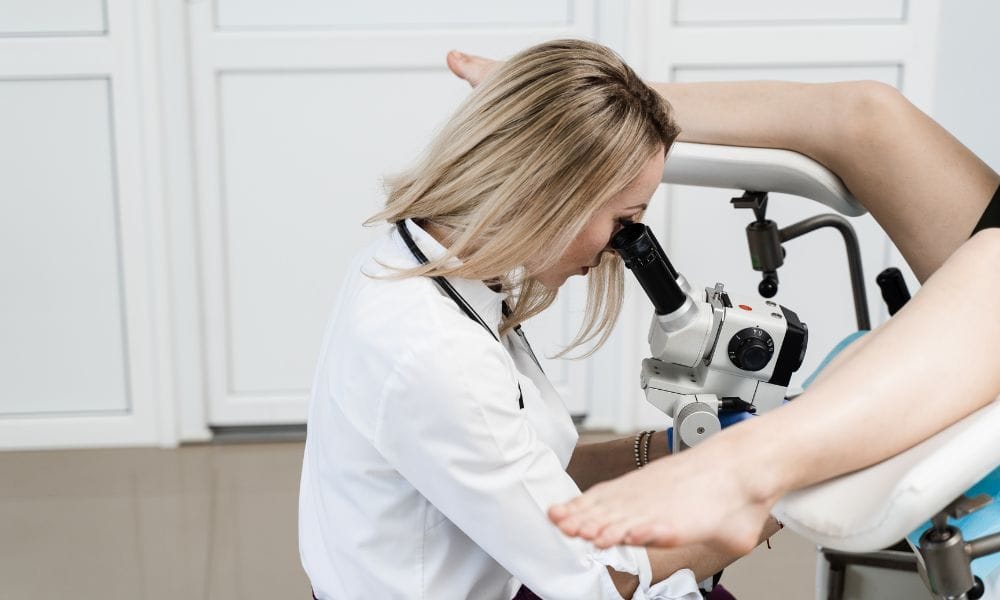
As for screening tests, there is no specific test for vulvar cancer. However, it is important to perform regular examinations of the vulva during routine gynecologic checkups. If an abnormality is detected, biopsies can be performed to confirm the diagnosis.
Treatments for vulvar cancer
Treatment for vulvar cancer depends on the stage and extent of the cancer. As such, treatment options may include the following:
Surgery
Surgery is the primary treatment for vulvar cancer. Depending on the size and location of the tumor, wide local excision (WLE) may be performed to remove the tumor and a margin of surrounding healthy tissue. In more advanced cases, a partial or total vulvectomy may be necessary.
Radiation Therapy
Radiation therapy uses radiation in specific doses to destroy cancer cells and shrink the tumor. It may be given before surgery to shrink the tumor or after surgery to destroy the remaining cancer cells.
Chemotherapy
Chemotherapy uses drugs to kill cancer cells spread throughout the body. It may be given before or after surgery or in combination with radiation therapy.
Targeted therapy
Targeted therapy is a more precise approach, where drugs are used to target certain genes or proteins that drive the growth and spread of vulvar cancer. Importantly, these drugs can be given in combination with other treatments.