Cáncer de Uretra
Urethral cancer is a rare neoplasm, which represents less than 1% of all urological cancers.
Understanding the importance of a specialized approach
Urethral cancer, although less common than other types of urologic cancer, requires meticulous attention and the intervention of trained specialists who have a deep understanding of its complexities. In this context, choosing an oncology center with expertise in the treatment of this specific type of cancer is critical to ensure proper disease management.

The average age of diagnosis is around 60 years; it is more common in women than in men.

Early detection of urethral cancer is key to better prognosis and treatment.

Diagnosis and Staging
Diagnosis and staging guide treatment decisions and predict patient outcome. An error at this stage can lead to inappropriate or unnecessary treatment.

General Welfare
Emotional well-being is as important as physical well-being in cancer treatment. At Panama Cancer Clinic, we offer psychological consultations to support patients throughout their treatment journey.

The Specialist
The complexity of urethral cancer requires the intervention of specialized urologic oncologists who not only understand the disease, but are also up to date with the latest techniques and treatments available.
What is urethral cancer?
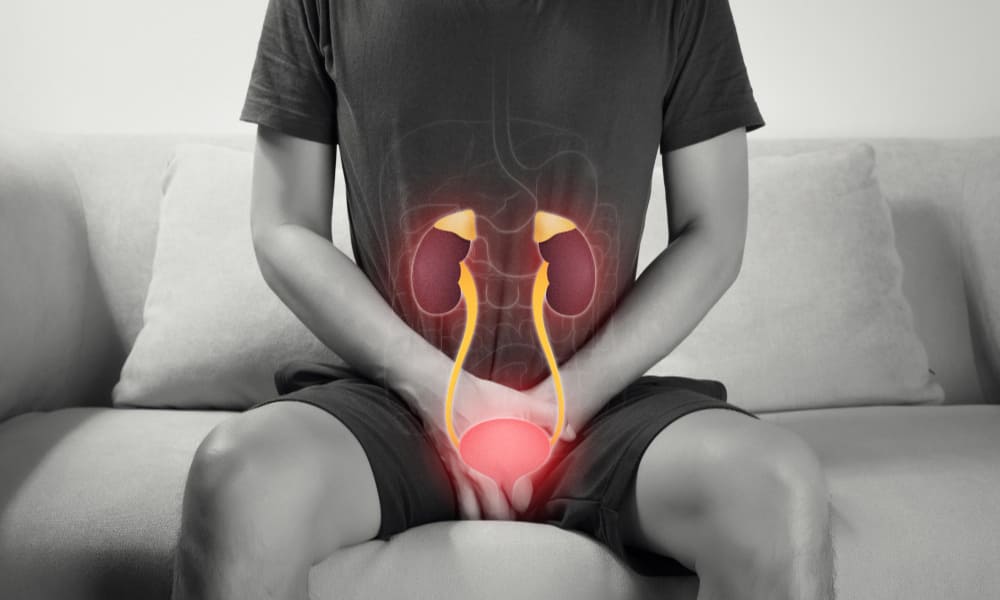
Urethral cancer is a rare type of cancer that occurs when malignant cells form in the tissues of the urethra, the tube through which urine leaves the body from the bladder. It affects both men and women and can present in different forms depending on the location and type of cells involved.
Types of urethral cancer
The main types of urethral cancer are:
Squamous carcinoma of the urethra:
It is the most common type and is usually found in the part of the urethra closest to the bladder in women, and along the urethra in men.
Transitional cell carcinoma:
It occurs mainly near the bladder.
Adenocarcinoma
It forms in the mucus-secreting glands near the urethra.
Small cell carcinoma:
A very rare and aggressive type that requires immediate treatment.
Symptoms of urethral cancer
Symptoms of thymus cancer can vary and may not be as specific as in other neoplasms, which can make early diagnosis difficult. They include:
Bleeding when urinating.
Difficulty or pain when urinating.
Presence of a lump in the penis or near the urethra.
Unusual urethral discharge.
In advanced stages, it can cause urinary flow obstruction.
Contact us at
. Schedule an appointment
Request a consultation


Risk Factors
Some of the risk factors in urethral cancer are:
Chronic infections or irritations of the urethra.
Sexually transmitted diseases such as, for example: HPV.
History of urological surgeries or procedures.
Screening tests
To confirm the diagnosis of the disease, the following tests may be necessary:
Urethroscopy:
Internal inspection of the urethra using an endoscope.
Biopsy:
Removal of a tissue sample to test for the presence of cancer cells.
Urethral ultrasound:
To evaluate the extent of cancer in the urethra and surrounding tissues.
Cystoscopy:
Examination of the urethra and bladder for abnormalities.

Treatment for urethral cancer
Treatment for urethral cancer may vary depending on the stage and extent of the cancer, as well as the individual characteristics of the patient. In this regard, the recommended treatment may include some of these options:
Surgery
Surgery is one of the main treatments for urethral cancer. The goal is to remove the tumor and surrounding affected tissue. Depending on the size and location of the tumor, different types of surgery may be performed.
In less invasive cases, a transurethral resection of the tumor may be performed, which involves removal of the tumor through the urethra using special instruments. In more advanced cases, more extensive surgery may be necessary, such as a partial or total ureterectomy, which involves partial or complete removal of the urethra.
Chemotherapy
Chemotherapy uses drugs to kill cancer cells throughout the body. For urethral cancer, systemic chemotherapy, which is given orally or intravenously and distributed through the bloodstream; or intravesical chemotherapy, which is given directly into the bladder through a catheter.
Radiation Therapy
Radiation therapy can be administered in two ways: external radiation therapy or internal radiation therapy. External radiation therapy focuses on the affected area from outside the body, while internal radiation therapy, also known as brachytherapy, involves placing radioactive sources directly into the affected area.
Immunotherapy
Immunotherapy is a treatment approach that stimulates the body's immune system to recognize and destroy cancer cells. In the case of urethral cancer, different types of immunotherapy may be used, such as immune checkpoint inhibitors, which help restore the immune system's ability to fight cancer.

Prevention
Although there is no exact way to prevent urethral cancer, measures such as practicing safe sex, avoiding chemical irritants and regular check-ups can help minimize the risk.