Pancreatic Cancer
Pancreatic cancer is among the 5 most deadly types of cancer in both women and men, with one of the lowest survival rates for this disease. The symptoms of pancreatic cancer are often confused with other pathologies; therefore, early diagnosis is of great importance to stop its evolution.
All the oncological knowledge focused on your health
People who enter Panama Cancer Clinic can feel the vocation and professionalism with which our specialists care for each cancer patient. Our clinic has all the services and equipment necessary for the diagnosis, treatment and recovery of pancreatic cancer in the same place.

The absence of symptoms during the early stages is the main cause of late diagnosis, which leads to an increased mortality rate.

Its appearance is associated with various environmental factors; however, its origin remains uncertain.

Diagnosis and Staging
In order to obtain a conclusive diagnosis, techniques such as biopsies, CT scans, MRI scans and blood tests are often used, the latter allowing the detection of tumor markers of pancreatic cancer cells.

General Welfare
We help you find physical and emotional balance through pharmacological, surgical and psychological treatments, thanks to the support of our specialists in oncological medicine and psycho-oncology.

The Specialist
A team of highly trained physicians and surgeons awaits you with the best options to address your malignancy, whether it is diagnosed early, advanced or metastatic.
What is pancreatic cancer?
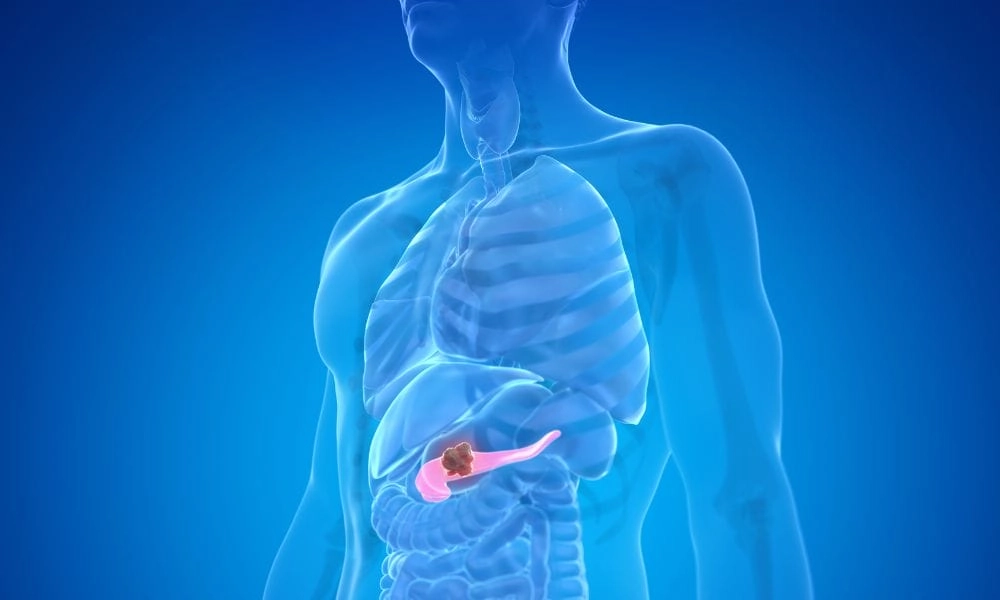
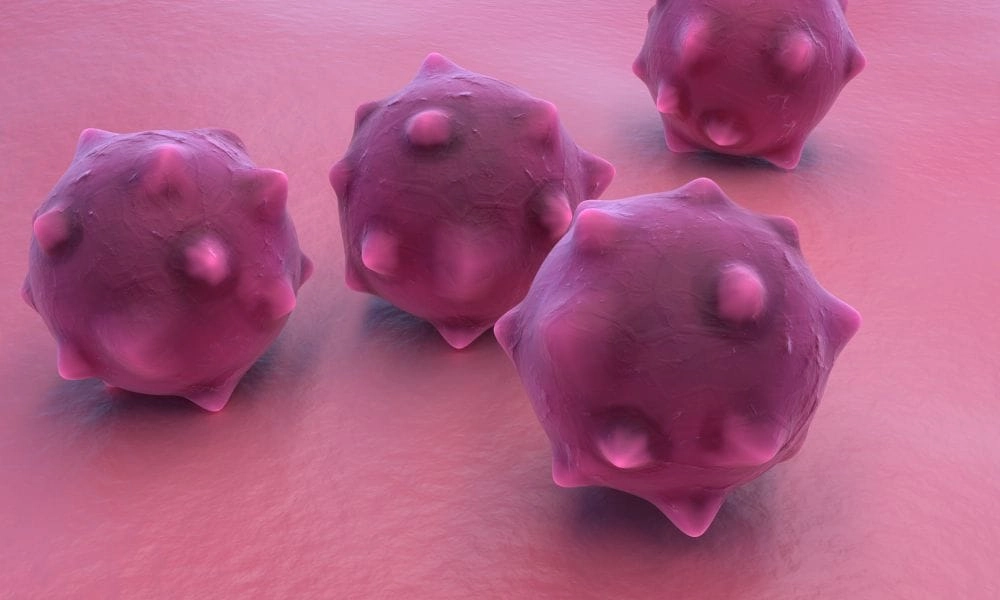
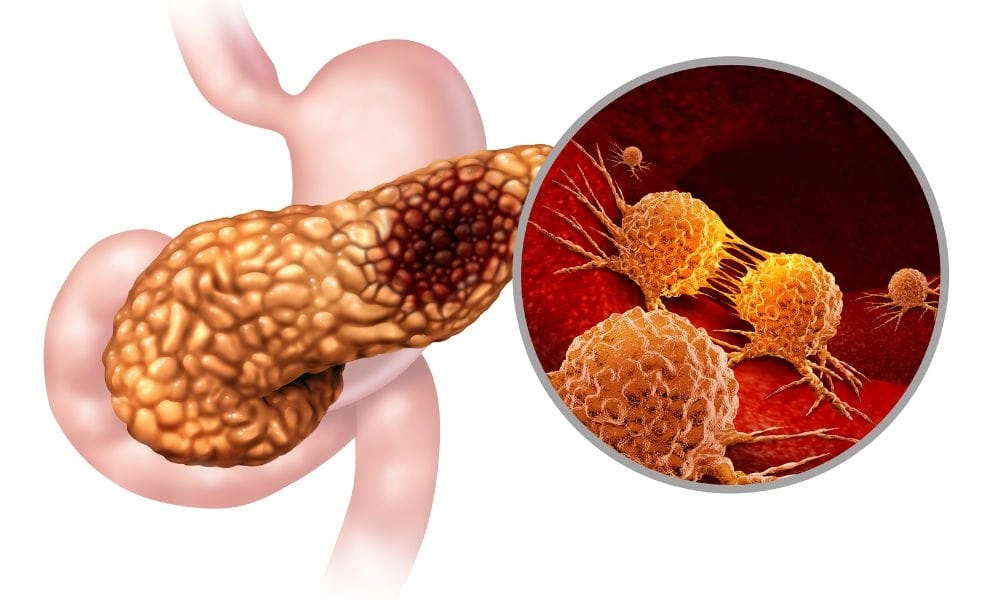
It is a malignant neoplasm that originates in the tissues of the pancreas when its cells begin to multiply in an uncontrolled manner. The pancreas is a gland with a prominent role in the digestive process; additionally, it serves to regulate blood glucose levels.
Types of pancreatic cancer
Both cancerous and non-cancerous tumors can form in the pancreas; the most prevalent type of pancreatic cancer is pancreatic adenocarcinoma (approximately more than 90% of all pancreatic cancers are of this type).
Pancreatic adenocarcinoma occurs in cells located in the ducts through which digestive enzymes produced by the pancreas pass to the stomach.
Other unusual forms of exocrine pancreatic cancer include:
Adenosquamous carcinoma.
Squamous cell carcinoma.
Signet ring cell carcinoma.
Undifferentiated carcinoma with giant cells.
Stages of pancreatic cancer
Kidney cancer may go unnoticed during its early stages. However, as it progresses, the patient may experience the following symptoms:
Stage 0:
Pancreatic cancer in situ.
Stage I:
The cells remain in the pancreatic duct without having invaded other tissues.
Stage II:
Cancer has spread to 3 or fewer nearby lymph nodes.
Stage III:
The cancer has spread to more than 4 lymph nodes.
Stage IV:
Advanced cancer with metastasis to distant organs (liver, lungs, bones...).
Contact us at
. Schedule an appointment
Request a consultation
Symptoms of pancreatic cancer
Most of the symptoms of pancreatic cancer are noticed when the disease is advanced. We recommend that you watch for the following signs:
Depression.
Nausea.
Stomach pain.
Lack of appetite.
Senseless weight loss.
Jaundice (yellow skin and eyes).
Abdominal pain.
Changes in stool (steatorrhea, diarrhea, among others).
Back pain.
Recent diabetes (usually induced by pancreatic cancer).
Venous thrombosis in the pelvis or extremities.
Risk Factors
In consultation, the physician evaluates your medical history and proceeds with the physical examination. If during this process a suspicion arises that you may have pancreatic cancer, you will undergo one or more of these tests:
Imaging tests:
Ultrasound scans, CT scans and MRI scans are very useful to visualize the condition of internal organs and tissues.
Endoscopic ultrasound:
Clear images of the inside of the pancreas and its surroundings can be obtained through an endoscope. During this exploration, a biopsy can also be taken to extract samples of pancreatic tissue for analysis.
Blood tests:
Pancreatic cancer cells shed a specific tumor marker called CA19-9; an elevated level of this may indicate disease.
Treatments for pancreatic cancer
The method of treatment to be used varies according to the type, stage and personal preferences of each patient. The main options for treating the disease are:
Surgery:
This option is considered especially when the results show that it is possible to completely resect (remove) the pancreatic cancer. In advanced cases, it can be used as palliative surgery to relieve symptoms and prevent future complications.
Chemotherapy:
In chemotherapy, one or more specific drugs are administered to eliminate the malignant cells. Radiotherapy may be added to chemotherapy to maximize the effectiveness of the treatment at any stage of pancreatic cancer.
Radiotherapy:
In radiotherapy, radiation with X-rays and/or protons is applied to the affected part of the body to destroy the abnormal cells. This type of treatment can be used before, during or after surgery.
Palliative care:
It consists of providing special medical care to the patient to relieve pain and most of the symptoms of advanced pancreatic cancer.
How to prevent pancreatic cancer?
Although there are risk factors that cannot be changed (age, sex, family history, etc.), there are others that are avoidable, among them:
Smoking.
Food.
Excess body weight.
Sedentary lifestyle.
Consumption of alcoholic beverages.
Exposure to potentially hazardous chemicals.