Cáncer de Intestino Grueso
Large bowel cancer, also known as colorectal cancer, is a disease that affects the colon or rectum. In Panama, colorectal cancer is one of the leading causes of death from cancer.
Personalized approaches, satisfactory results
Early detection can make the difference between effective treatment and late diagnosis. Relying on specialized oncology professionals ensures a comprehensive and personalized approach for each patient, maximizing the chances of a favorable outcome.

In Panama alone, more than 1,500 new cases are diagnosed each year.

Although this type of cancer used to predominate in men, at present the incidence is practically equivalent in both sexes.
Diagnosis and Staging
Early detection and treatment by oncology professionals play a crucial role in the fight against cancer, including large bowel cancer.

General Welfare
Our oncology psychology professionals offer emotional support, coping strategies and counseling to help patients cope with the psychological impact of illness and treatment.

The Specialist
The dedication and professionalism of our oncologists are fundamental pillars on the road to prevention, effective treatment and patient survival.
What is large bowel cancer?
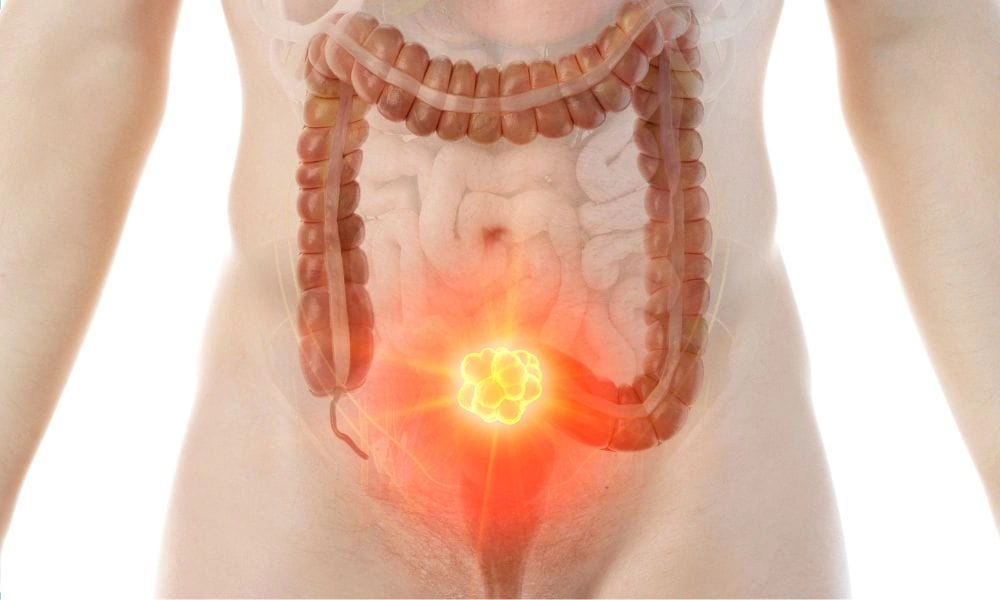
In large bowel cancer, malignant cells form in the internal tissues of the colon or rectum. These cancer cells have the potential to grow and spread to other parts of the body.
Types of large bowel cancer
Large bowel cancer can present in a variety of ways, including:
Adenocarcinoma:
It is the most common type of colorectal cancer. It originates in the glandular cells of the lining of the colon or rectum.
Squamous cell carcinoma:
This type of cancer forms in the thin, flat cells that line the colon or rectum.
Carcinoid tumors:
They are slow-growing tumors that originate in the hormone-producing cells of the colon or rectum.
Lymphoma:
Although extremely rare, lymphoma can develop in the colon or rectum from immune system cells.
Sarcomas:
These cancers form in the soft tissues of the colon or rectum; however, they are very rare.
Symptoms of large bowel cancer
Symptoms of large bowel cancer include:
Changes in bowel habits.
Rectal bleeding.
Fatigue.
Weight loss for no apparent reason.
Abdominal pain.
It is essential to pay attention to these signs and seek medical attention if they occur.
Contact us at
. Schedule an appointment
Request a consultation
Risk Factors
The following risk factors can increase your chances of developing large bowel cancer:
Family history of the disease.
A diet high in fat and low in fiber.
Smoking.
Excessive alcohol consumption.
Obesity.
Sedentary lifestyle.
Screening tests
The screening tests mentioned below are essential for early diagnosis, which can significantly improve survival rates.
Colonoscopy
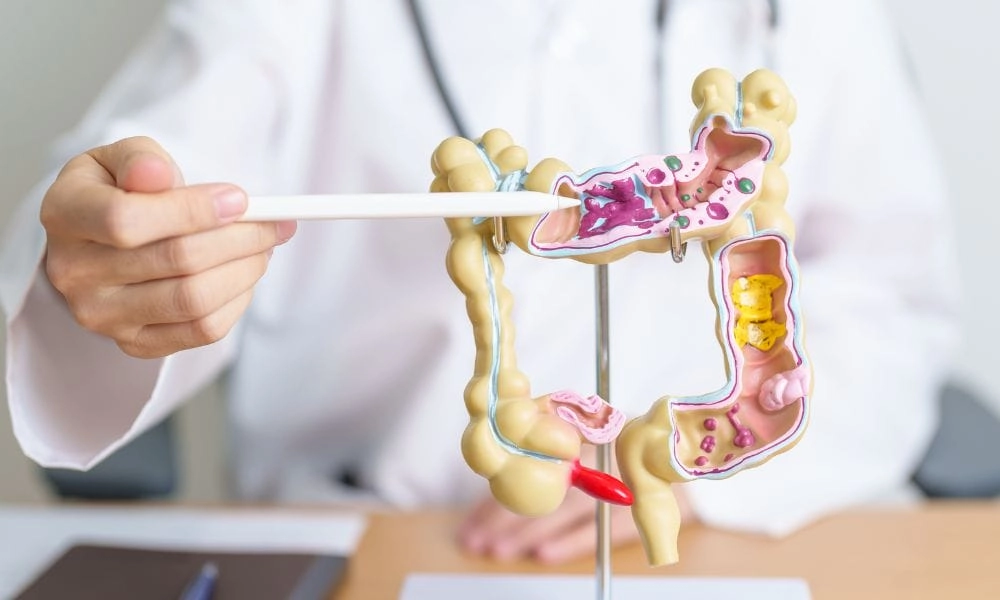
This test allows the physician to look at the inner lining of the colon and rectum for polyps, tumors or other abnormalities.
Sigmoidoscopy
Endoscopy allows visualization of the interior of the small intestine and the taking of biopsies. Similar to colonoscopy, this study focuses on the evaluation of a smaller portion of the colon.
Fecal occult blood tests
These tests look for traces of blood in the stool, which may indicate the presence of polyps or cancer.
Genetic testing
Genetic testing is used to detect genetic mutations that may increase the risk of developing colorectal cancer.
Treatments for large bowel cancer
The choice of treatment will depend on the stage and progression of the cancer in each patient. Some of the methods frequently employed in the therapeutic approach to large bowel cancer are:
Surgery
It consists of surgical removal of the tumor and, in some cases, of part of the affected colon or rectum.
Radiation Therapy
Application of controlled doses of radiation with the aim of destroying malignant cells or reducing their size.


Chemotherapy
Oral or intravenous administration of drugs to destroy cancer cells.
Targeted therapy
Innovative treatment using drugs that attack specific characteristics of cancer cells.
Biological therapies
Use of substances that stimulate and strengthen the immune system so that it is able to fight cancer.
Prevention
To prevent large bowel cancer, it is important to maintain a high-fiber, low-fat diet, exercise regularly, avoid excessive tobacco and alcohol use, and undergo regular screening, especially if you have risk factors.