Esophageal Cancer in Panama
Esophageal cancer is considered one of the most aggressive and deadly malignant neoplasms of the digestive tract; this makes it number 8 of the 10 main types of cancer worldwide. A good oncologic approach can increase its survival rate.
We identify, treat and monitor the evolution of oncology patients.
Due to its high morbidity and lethality, esophageal cancer requires an early diagnosis, an appropriate treatment and an exhaustive follow-up where the progress of the disease is evidenced. In Panama Cancer Clinic you will find this and much more, we are a comprehensive cancer center where we will not only give you answers, but you will get the medical solutions and results you have been waiting for.

Esophageal cancer is more prevalent in men than in women.

Signs and symptoms may appear when the cancer is 60% or more advanced.

Diagnosis and Staging
Although this phrase may seem repetitive, when talking about cancer, timely diagnosis and treatment is essential to increase the chances of survival.

General Welfare
Being classified as an oncology patient can produce a great emotional shock, therefore, we have professionals in oncology psychology that will be a great support in your fight against esophageal cancer.

The Specialist
The most qualified and skilled oncology physicians and surgeons from all over Panama evaluate each case together to provide the patient with the most suitable and effective treatment approach.
What is esophageal cancer?
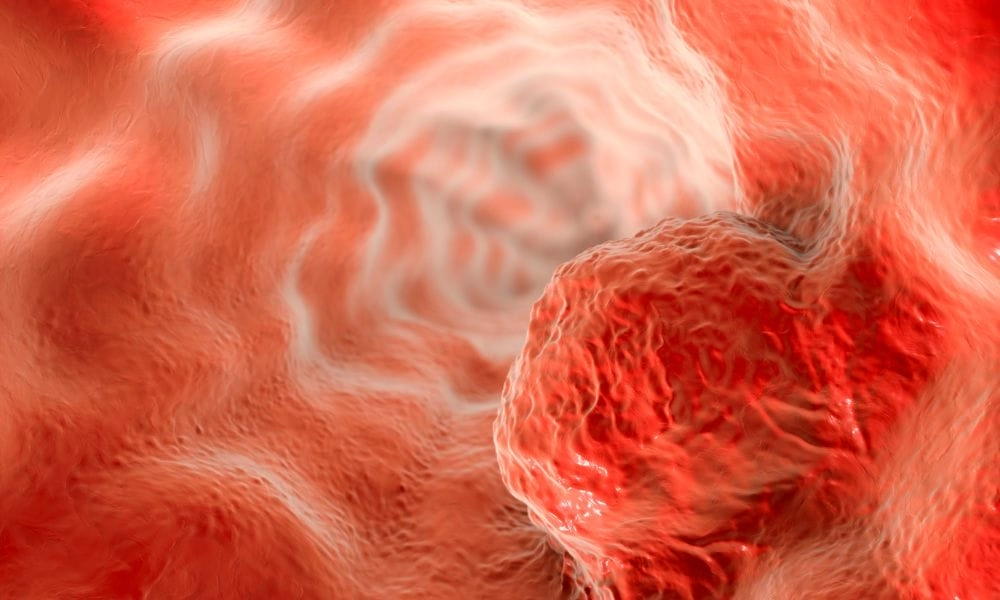
Esophageal cancer occurs when the cells lining the inner lining of the esophagus change and multiply uncontrollably, leading to the formation of a tumor mass that grows progressively outward.
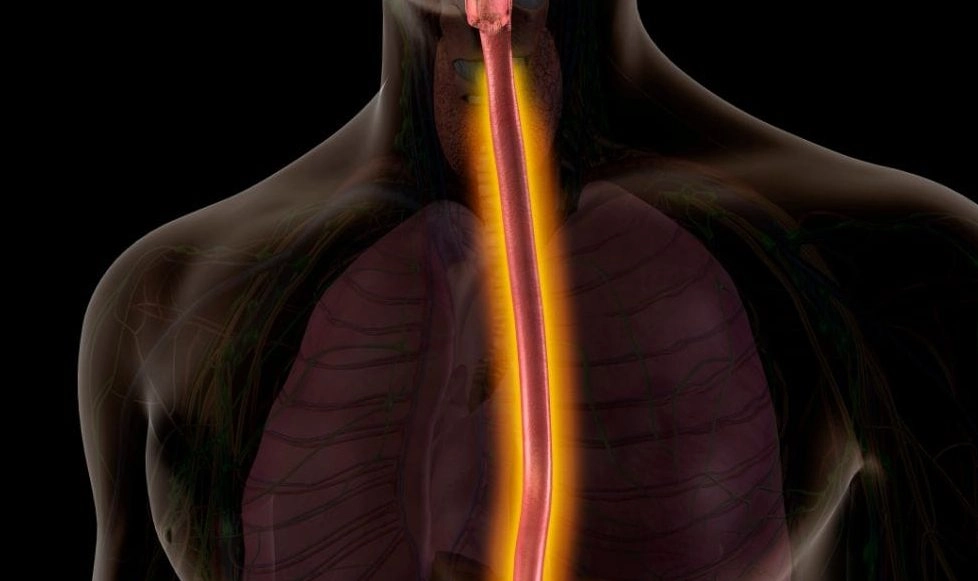
The esophagus is an essential part of the digestive tract, since through this muscular duct a direct connection is created between the throat and the stomach, which allows liquids and food to pass through. The esophagus has a tubular appearance with an approximate length between 25 and 33 centimeters; the disease can appear at any point of its anatomy.
The incidence of esophageal cancer varies depending on geographic location. Adenocarcinomas predominate in Europe and North America; whereas squamous cell adenocarcinoma is more common in Asia and Africa.
Types of esophageal cancer
Esophageal cancer is categorized by the type of cells involved. In order to determine the treatment to use, it is essential to know which type affects you. The main types of esophageal cancer are:
Adenocarcinoma:
It is cancer that originates from the proliferation of mucus-secreting glandular cells, often found in the lower end of the esophagus (also known as the lower thoracic esophagus).
Squamous cell carcinoma:
Squamous cells are those that line the esophageal surface; this type of cancer frequently occurs in the cervical esophagus and in the upper and middle thoracic esophagus; that is, the upper and central part of the esophagus.
Others:
Although extremely unusual, other forms of cancer can begin in the esophagus, such as melanomas, lymphomas, sarcomas and small cell carcinomas.
Stages of esophageal cancer
Knowing the severity and extent of the cancer is really important to accurately determine the most effective treatment method for the neoplasm. Esophageal cancer has 4 stages, they are:
Stage I:
The cancer has only damaged the top layer of cells lining the esophagus.
Stage II:
The cancer has begun to invade the deep layers of the esophagus and may have spread to adjacent lymph nodes.
Stage III:
The cancer has deepened the walls of the esophagus and spread to nearby tissues and lymph nodes.
Stage IV:
Esophageal cancer has invaded other parts and organs of the body.
Contact us at
. Schedule an appointment
Request a consultation
Symptoms of esophageal cancer
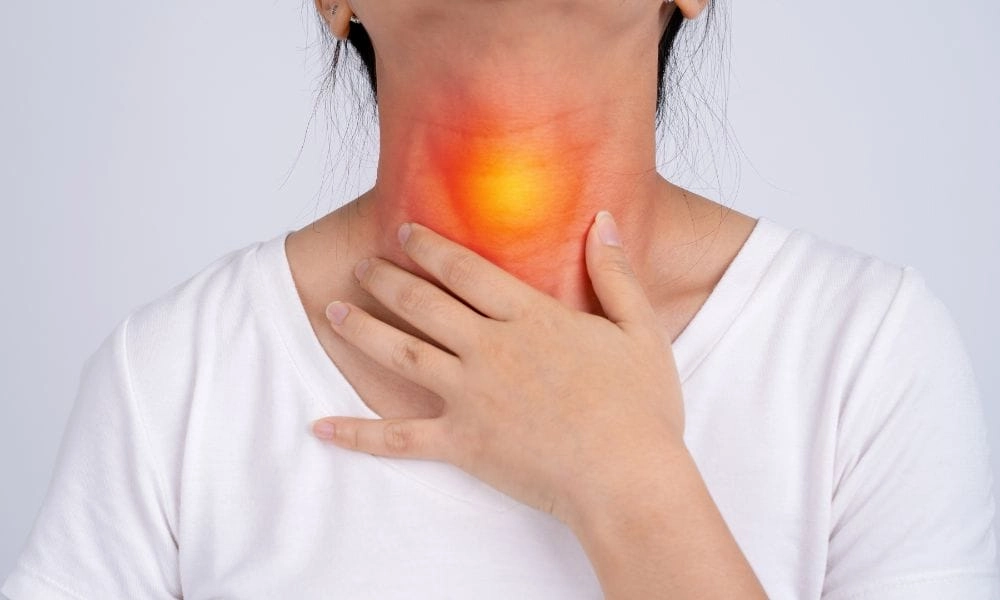
Esophageal cancer usually shows no signs in its early stage; however, as it progresses it may manifest symptoms such as:
Dysphagia (Difficulty in swallowing).
Unusual weight loss.
Pain, burning or pressure sensation in the chest.
Stomach acidity.
Indigestion.
Choking.
Sore throat.
Coughing.
Dysphonia.
Risk Factors
A risk factor is anything that can increase a person's chances of developing cancer. In the case of esophageal cancer, the risk factors are the following:
Age:
People between 45 and 70 years of age are the most prone to the disease.
Sex:
In men the risk of esophageal cancer is 4 times higher compared to women.
Race:
Dark-skinned people are twice as likely to suffer esophageal cancer.
Smoking:
This is one of the most common risk factors for any type of cancer.
Alcoholism:
Excessive and prolonged consumption of alcoholic beverages exponentially increases the risk of esophageal squamous cell carcinoma.
Barrett's syndrome:
This disorder can lead to precancerous changes in esophageal cells.
Achalasia:
This condition, which interrupts the passage of liquids and food into the stomach, also increases the risk of esophageal cancer.
Previous radiation treatments:
Having been exposed to radiation therapy to the abdominal area or chest may increase the chances of esophageal cancer.
Screening tests
Among the tests, studies and procedures currently employed in the diagnosis of esophageal cancer are:
Esophagogram with barium:
During the swallowing study, the patient swallows a liquid containing a controlled amount of barium sulfate with the intention of coating the walls of the esophagus; subsequently, some x-rays are taken to check whether or not there are abnormal areas inside the esophagus.
Endoscopy:
In endoscopy, the physician inserts the endoscope down the throat to visualize the esophagus and detect any irritation or signs of cancer.
Biopsy:
Through the same endoscope, tissue samples can be taken from the esophagus to be analyzed by the pathologist, who will determine whether or not cancer is present. If the diagnosis is confirmed, the medical oncologist may recommend additional tests to verify the extent of the cancer, these may include: Endoscopic ultrasound, computed tomography, positron emission tomography, bronchoscopy, among others.
Treatments for esophageal cancer
The treatment approach may vary according to the type of cells affected, the stage and extent of the cancer, the patient's current health status and the patient's personal preferences.
Surgery
In most cases, surgery is one of the main options, which can be combined with other methods. Among the most commonly used surgeries for the treatment of esophageal cancer are:
Surgery for removal of small tumors: Applies only to patients with superficial cancer, limited and without dissemination beyond the esophagus. The surgeon with the help of an endoscope can remove the portion of the cancer and an additional part of the healthy tissue around the neoplasm.
Esophagectomy: The specialist removes the cancerous section of the esophagus, a small part of the stomach and the adjacent lymph nodes. The other part of the esophagus is reconnected to the stomach.
Esophagogastrectomy: In this procedure, the surgeon must remove a large part of the esophagus and stomach, as well as the nearby lymph nodes. Because of this, the rest of the stomach must be repositioned a little higher to reattach it to the esophagus; if necessary, the doctor will take a part of the colon to reconnect these two parts.
It should be noted that esophageal cancer surgery has a very high risk of complications, where bleeding, obstruction, infection or rupture of the new junction between the esophagus and the stomach can occur.
Chemotherapy
Chemotherapy is a common treatment in cancer patients, either alone or in combination with radiotherapy. However, in esophageal cancer it is preferably used before or after surgery. In very advanced patients, chemotherapy is used as an adjuvant method to palliate cancer symptoms.
Radiation Therapy
In radiotherapy, high doses of radiation are applied to eliminate cancer cells. Like chemotherapy, radiotherapy is often used before or after surgery and also as a palliative method in stage IV patients.
Targeted therapy
It is a type of drug treatment that specifically targets cancer cells and does not affect normal cells. This procedure can be combined in parallel with chemotherapy in those patients who did not respond favorably to previous treatments.
Immunotherapy
Immunotherapy uses drugs that help the immune system fight esophageal cancer on its own; this method is especially used in patients with advanced, disseminated or recurrent cancer.
How to prevent Esophageal Cancer?
People who want to minimize the risk of esophageal cancer need:
Stop smoking and cigarette consumption.
Stop drinking alcoholic beverages or reduce their intake.
Increase the amount of fruits and vegetables in your diet.
Maintain a healthy weight.