Linfoma de Burkitt
This type of non-Hodgkin's lymphoma is rare, aggressive and has a more accelerated growth than many other malignancies [without treatment this cancer is highly lethal]. Despite this, the survival rate is favorable as long as it is detected and treated early.
REQUEST A CONSULTATIONWith proper treatment there is hope
The rapid growth and aggressiveness with which Burkitt's lymphoma manifests itself, make it one of the most prominent cancers of lymphatic tissue. In Panama Cancer Clinic we know very well how to act in unusual and complex cases, providing as usual a first class care and tangible results for our oncology patients.

Burkitt's lymphoma encompasses 3 types of neoplasms according to their origin: endemic, sporadic and, finally, AIDS-associated epidemic.

This disease accounts for approximately 30-50% of pediatric non-Hodgkin's lymphomas.

Diagnosis and Staging
As with other types of cancer, early diagnosis of Burkitt's lymphoma will directly influence the ability to cure, which is why it is so important to receive specialized medical care as soon as possible.

General Welfare
The emotional shock produced by a positive diagnosis of cancer is very great; for this reason, we support our patients with psychological counseling.

The Specialist
Gynecologic oncologists, surgical oncologists and the most complete team of specialists work tirelessly to find the ideal treatment methods.
What is Burkitt's lymphoma?
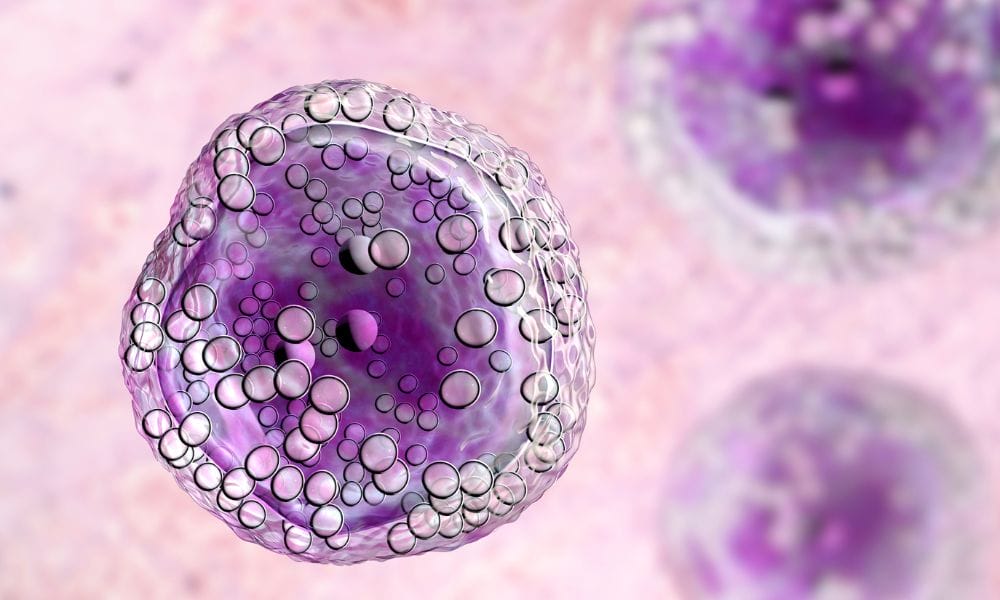
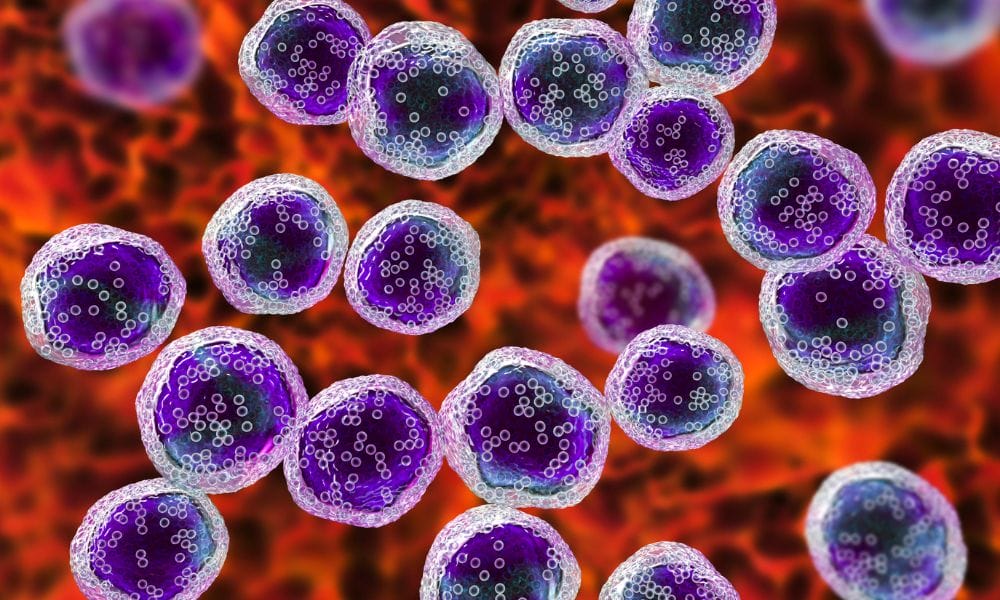
It is a cancer of white blood cells that develops in the B lymphocytes (cells of the immune system that come from hematopoietic stem cells within the bone marrow). As we have already mentioned, the disease is characterized by accelerated cell growth; being able to attack several parts of the body (bone marrow, lymph nodes, central nervous system, jaw, intestines, kidneys, ovaries and other abdominal organs) in a very short time.
Burkitt's lymphoma mainly affects children and young adults, and is also more common in men than in women. As it spreads, the patient begins to experience increasingly intense symptoms.
Types of Burkitt's lymphoma
Burkitt's lymphoma is classified into 3 types:
Endemic
This disorder predominates in the African population and is especially associated with the Epstein-Barr virus. The clinical manifestations of this variant include: tumors in the jaw, kidneys, ovaries, retroperitoneum, among others.
Sporadic
Sporadic cases of Burkitt's lymphoma occur outside Africa and have no definite cause. Signs of the disease occur mainly in the abdominal area and can cause severe intestinal obstruction.
Lymphoma related to immunodeficiency problems
With similar symptomatology to the endemic and sporadic types, its origin is directly related to the human immunodeficiency virus (HIV).
Symptoms of Burkitt's lymphoma
In addition to the previously mentioned tumors according to the type of lymphoma, the patient may perceive the following symptoms:
Inflammation of the lymph nodes.
Rapid weight loss.
Abdominal pain.
Lack of appetite.
Tiredness or fatigue.
Nausea and vomiting.
Fever.
Profuse night sweats.
Body weakness.
Contact us at
. Schedule an appointment
Request a consultation

Screening tests
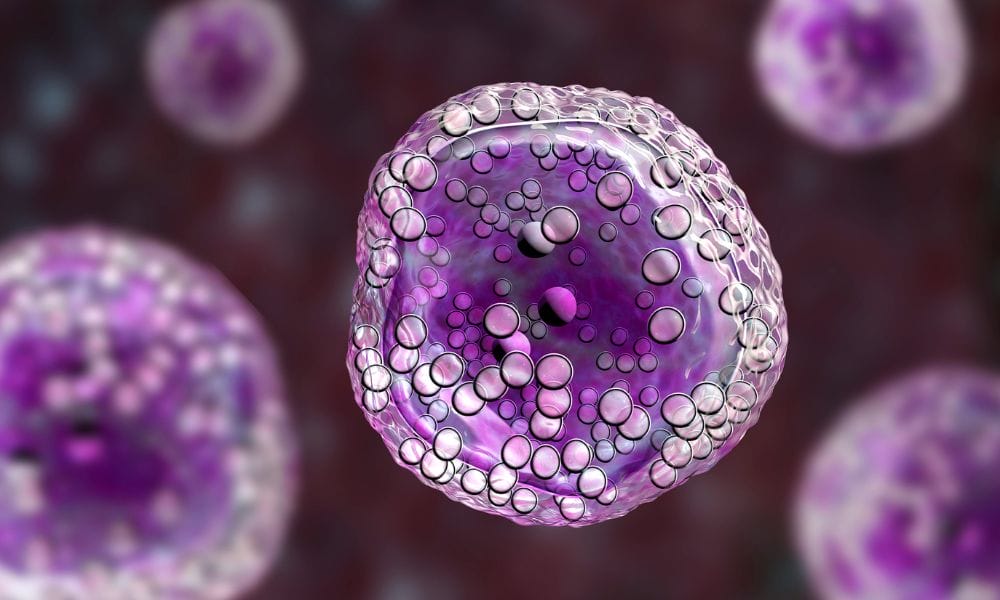
The diagnosis of Burkitt's lymphoma involves advanced testing; it usually begins with a tissue biopsy to differentiate the disease from other lymphomas and/or tumors. The specialist may perform CT scans to detect its extent, cerebrospinal fluid cytology, and hemograms to check the level of lactate dehydrogenase (high LDH levels are indicative of lymphoma).
Risk factors for Burkitt's lymphoma
Factors that increase the likelihood of burkitt's lymphoma are:
Race:
Burkitt's lymphoma is more common in Central Africa than anywhere else in the world.
Sex:
This neoplasm affects more males than females.
Age:
Although Burkitt's lymphoma can occur at any age, a large proportion of patients with the disease are children and young adults.
Previous infections:
People infected with the Epstein-Barr virus or HIV are more likely to develop this rare type of cancer.
Treatments for Burkitt's lymphoma
In the treatment of Burkitt's lymphoma, intensive chemotherapy is the mainstay, and sessions should be started quickly upon diagnosis, as these tumors develop at a very fast rate.
Intensive chemotherapy is a type of intrathecal chemotherapy, where antineoplastic drugs are administered into the cerebrospinal fluid to eliminate malignant cells, resect tumors and prevent the spread of the disease to the brain or spinal cord. More than 60% of cases are cured by this method.
Life expectancy increases with early diagnosis and treatment; however, when Burkitt's lymphoma has spread to the bone marrow or cerebrospinal fluid, expectations decrease.
In some cases, intensive chemotherapy may need to be accompanied by additional medical treatments to increase its efficacy, including radiotherapy, steroids and other drugs. Surgery is used in patients with intestinal obstruction or perforation (mainly in sporadic Burkitt's lymphoma).
Complications
Patients with Burkitt's lymphoma may develop tumor lysis syndrome after treatment, which is caused by the sudden release of chemotherapy drugs through the body.
Tumor lysis syndrome is considered a medical emergency that triggers more complex problems such as acute renal lesions, hyperphosphatemia, hypocalcemia, hyperkalemia, hyperkalemia, hyperuricemia, cardiac arrhythmias, anorexia, lethargy, vomiting, nausea and convulsions.