Cancer treatment, while essential to fighting the disease, is often accompanied by a number of side effects that can significantly affect patients' quality of life. Understanding these side effects and how to manage them is crucial to helping patients cope with their treatment as effectively and comfortably as possible.
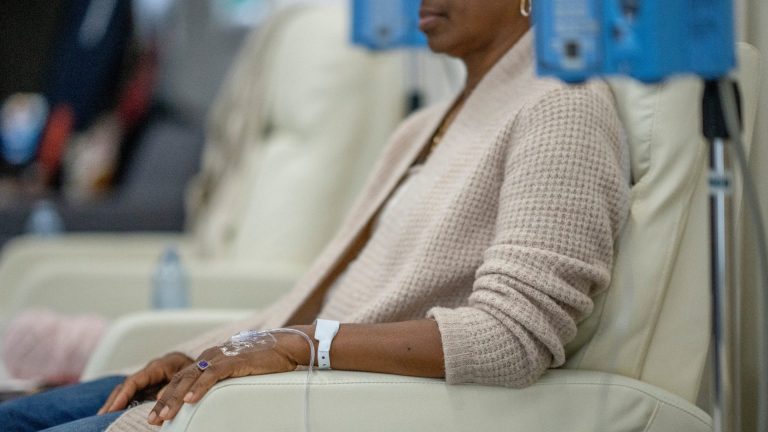
Cancer treatments, such as chemotherapy, radiation therapy, immunotherapy, and targeted therapy, are essential for fighting cancer. However, these treatments can also cause a variety of side effects due to their impact on healthy cells in the body. Side effects can vary in intensity and duration, but with the right strategies, it is possible to manage them and minimize their impact on daily life.
Common side effects and their management
-
Fatigue:
Fatigue is one of the most common and debilitating side effects of cancer treatment. To improve this symptom it is recommended:
- Establish a regular sleep routine.
- Perform gentle exercise, such as walking or yoga.
- Rest when necessary and avoid strenuous activities.
- Maintain a balanced diet and stay hydrated.
- Nausea and vomiting: Nausea and vomiting are common side effects of chemotherapy and radiotherapy. To improve this symptom it is recommended:
- Take antiemetic drugs as directed by the physician.
- Eat small, frequent meals instead of three large meals.
- Avoid fatty, fried or highly seasoned foods.
- Drink clear, cold liquids, such as water and ginger tea.
- Loss of appetite: Many patients experience a decrease in appetite during treatment. It is important to have the nutritional counseling according to your case. To improve this symptom it is recommended:
- Eat small, frequent meals.
- Opt for foods rich in calories and protein.
- Add nutritional supplements if necessary.
- Try different tastes and textures to find foods that are appetizing.
- Hair loss (alopecia): Chemotherapy can cause temporary hair loss. To improve this symptom it is recommended:
- Wear hats, scarves or wigs to protect the scalp and feel more comfortable.
- Treat the scalp gently and avoid using harsh chemicals.
- Consider using treatments that cool the scalp to reduce hair loss (consult your physician).
- Skin and nail problems: Radiotherapy and chemotherapy can cause dryness, redness, irritation and nail changes. To improve this symptom it is recommended:
- Keep skin moisturized by using alcohol-free lotions.
- Avoid direct sun exposure and use sunscreen.
- Wear gloves when performing household chores to protect your hands.
- Consult your doctor about the use of specific skin creams and medications.
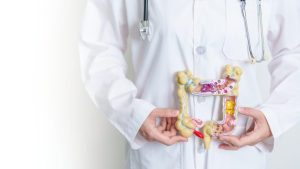
- Gastrointestinal problems: Diarrhea and constipation are common during cancer treatment. To improve this symptom it is recommended:
- For diarrhea: Drink clear liquids, avoid high-fiber foods, and take antidiarrheal medications as directed by your doctor.
- For constipation: Increase fiber intake, drink plenty of water and exercise regularly. Take mild laxatives if necessary.
- Anemia: Chemotherapy can reduce the red blood cell count, causing anemia. To improve this symptom it is recommended:
- Eat foods rich in iron, such as red meat, spinach and legumes.
- Take iron supplements if necessary.
- Avoid strenuous activities and rest adequately.
- Infections: Chemotherapy can weaken the immune system, increasing the risk of infections. To improve this symptom it is recommended:
- Practice good hygiene, washing hands frequently.
- Avoid contact with sick people and crowded places.
- Maintain a healthy diet and stay hydrated.
- Consult your doctor about vaccinations and other preventive methods.
- Emotional and psychological problems: Anxiety, depression and stress are common during cancer treatment. To improve this symptom it is recommended:
- Seek psychological support through individual or group therapy.
- Practice relaxation techniques, such as meditation and yoga.
- Staying connected with friends and family for emotional support.
- Consider the use of antidepressant or anti-anxiety medications under medical supervision.
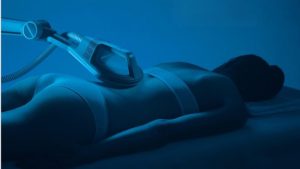
- Pain: Pain is a significant side effect of cancer treatment, which can be managed with specialized techniques.
- Pain Medicine: Pain medicine focuses on the diagnosis and treatment of pain, providing a variety of techniques and personalized treatments for each patient. It includes the use of analgesics, anti-inflammatory medications, and complementary therapies for pain management.
- Oncological Interventions: Procedures can be performed to block the nerves that transmit pain, providing significant relief, as well as steroid injections to reduce inflammation and pain in specific areas. There are other advanced therapies, such as radiofrequency ablation and neuromodulation, which can provide long-term pain relief.
In addition to conventional strategies, cancer pain management can benefit from advanced techniques in pain medicine and interventional oncology. These disciplines focus on providing pain relief through specialized approaches and interventional procedures, significantly improving the quality of life for cancer patients.
"Managing the side effects of cancer treatment is a crucial part of the recovery and wellness process."
With the right support and effective strategies, patients can minimize the impact of these effects and maintain a better quality of life. At Panama Cancer Clinic, we are committed to providing the best possible support to our patients during their treatment. If you have questions or need more information on how to manage side effects, please do not hesitate to contact us.
Specialists: