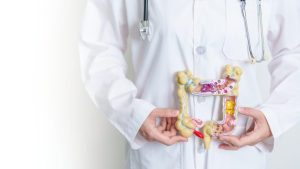
The work within a multidisciplinary team in the area of oncology is defined as the cooperation that takes place between different health professionals, specialized and involved in the care of the patient with oncological disease, with the general objective of improving the efficiency of treatment and patient care.
Working with multidisciplinary teams represents a natural evolution in cancer care, reflected in the advances made by different disciplines and professions, and the use of multiple treatment modalities and patient support.
Impact of the process on oncology patients
The oncologic process can have a significant impact on patients' quality of life and psychosocial status. The patient's symptoms derived from the disease and the side effects of the treatment, as well as the physical and psychological impact, will vary according to the location of the cancer and the treatment plan. It is therefore necessary to unite the efforts of different professionals in order to improve patient management, breaking with the old paradigm where a single professional was in charge of the overall treatment.
A study by Landheer et al (2001) showed how the work of multidisciplinary teams in oncology benefited patients by improving access to and use of standardized and up-to-date therapies. Van Laethem (2001) and Blumberg (2002) describe in their articles the need for a multidisciplinary approach to optimize outcomes in cancer patients, and other studies show evidence that specialized multidisciplinary units increase the efficacy and efficiency of treatment of cancer patients (Shankar et al, 2001; Soriano et al, 2002; Haward et al, 2003).
"However, it has been shown that the quality of clinical care and team effectiveness are related not only to team composition, but also to work methods and balanced workloads (Haward et al, 2003)."
The role of Psycho-oncology in a multidisciplinary medical team

As mentioned above, the variation of cases that can result from cancer is wide. And, each one of them, has changes and alterations ranging from changes in physical appearance to the loss of certain functions. Situations that can cause dysfunction at the psychosocial level.
Within the multidisciplinary team, the role of the psycho-oncologist responds to the need to provide psycho-emotional assistance. Not only to people affected by cancer, but also to their relatives and caregivers; contributing in the management of the changes generated by the oncological disease, during its extension.
"The psycho-oncologist can intervene at different stages of the course of the disease: prevention, therapeutic intervention and rehabilitation and palliative care".
In an illness process, the patient and family members face an unknown and unexpected world, so it is normal to experience a series of emotional reactions to this scenario, which the team must take into account when working with the patient. The most common is fear of the unknown, of pain, of the possibility of having an incurable disease, of the destruction of the body, of the loss of autonomy, or of death.
Concerns such as fear of death, feelings of guilt, adjustment problems, anxiety about the future and depression are difficult to cope with and require the help of a psycho-oncologist.
One of the main objectives necessary for patients to adhere to their treatments is the need to improve their quality of life, so it is vital to provide them with accurate and accurate information about their disease and the treatments they will have to undergo. As well as informing you of their benefits and side effects. The purpose is to adjust their expectations and reduce their fears about this diagnosis and the process they will have to face.
If you are facing an oncologic diagnosis or treatment and require psychological help, at Panama Cancer Clinic, we have qualified personnel that can help you face your process better. Do not hesitate to schedule your appointment.

Mgtr. Lidia Luna
Psycho-oncologist
For appointments:
Tel: +507 6382 2265 | 310 2869
Email: [email protected]