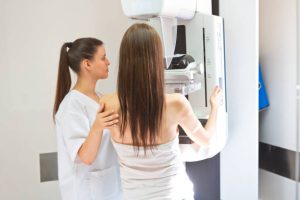
The idea of having breast cancer causes anxiety in many women, with or without a family history. Many of them, throughout their adult life, experience the fear of developing this type of cancer, and this motivates them to get informed, to learn to perform self-examination, and to have access to early detection tests such as mammography.
What is breast cancer?
Breast cancer arises in the cells of the lining of the breast ducts or lobules of the glandular tissue of the breast. When the cancer has been confined to the duct or lobe where it started, it causes no symptoms, but this does not mean that it will stop there. On the contrary, it may advance and invade the surrounding tissue, eventually involving even lymph nodes and spreading to other organs of the body.
It is important for every woman to know her body, and to be able to identify early on, any lumps or changes in the appearance of her breasts. While self-examination can help women recognize what is normal and what is not normal in their breasts, there are no significant differences in terms of decreasing breast cancer cases.
Early detection as a tool to fight breast cancer
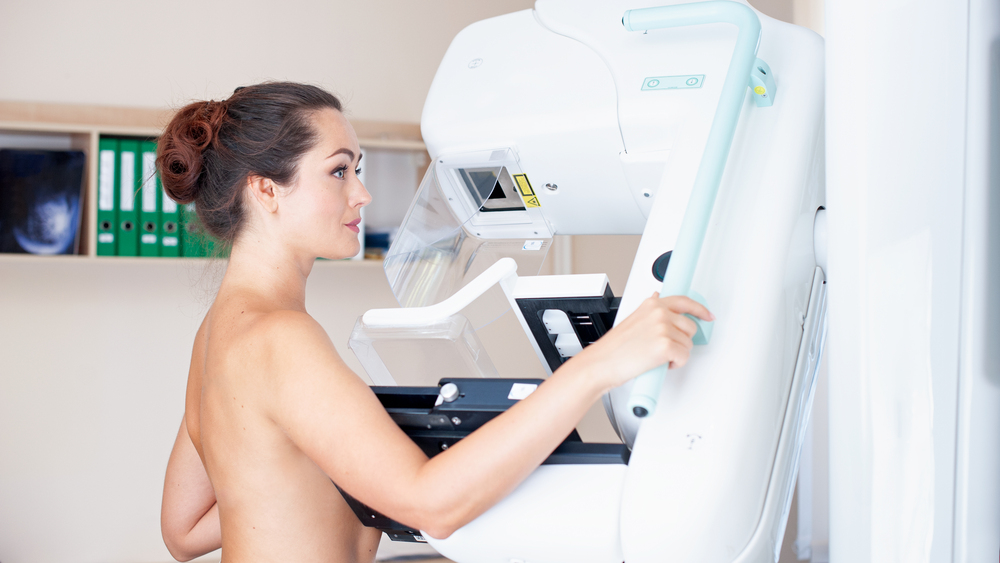
On the other hand, mammography is the most recommended screening method due to its diagnostic efficacy. Early detection helps reduce the burden of the disease, allowing women to access treatment at earlier stages, where treatment options can become more effective.
Despite the efforts made by health organizations, breast cancer is the most frequent cancer and the most common cause of cancer-related death among women in Latin America. In 2020 alone, more than 210,000 new cases and around 68,000 deaths were reported(1).
There are multiple risk factors, both modifiable and non-modifiable.
These figures invite both the general population and medical teams to seek and implement mechanisms to help reduce the incidence of this type of cancer through education, prevention and access to quality medical care for those women who may be exposed to modifiable risk factors, as well as those who have a higher risk of developing breast cancer due to other variables, such as genetic factors that include mutations such as BRCA1 or BRCA2.
Other characteristics associated with an increased risk of developing breast cancer include:
- Alcohol consumption.
- Tobacco consumption.
- Obesity and overweight.
- Physical inactivity.
- A high-fat diet.
- Radiation exposure.
- Advanced age.
- History of breast pathologies such as atypical hyperplasia, for example.
The role of reproductive history in breast cancer prevention

However, reproductive and hormonal backgrounds tend to have a higher incidence in breast cancer diagnoses. Women who have had their first menstrual period earlier (around age 12) tend to have an increased risk of 5% for every year younger a woman reaches menarche.
On the other hand, women who usually have children before the age of 35 may have a greater protection against the development of breast cancer than those who have their first child after this age.
Another fact of great importance for those who are mothers is that for every 12 months of breastfeeding, there is a reduction in the risk of developing breast cancer of ~4% approximately. Even so, about half of breast cancer diagnoses occur in women who have not been exposed to any risk factors.
More education, more information. The strategy to fight breast cancer
At present, breast cancer prevention worldwide has focused on educational intervention and encouraging the population to adopt better lifestyle habits that allow them to reduce the aforementioned risk factors. These strategies not only have a positive impact on the prevention of breast cancer, but also of other diseases related to these risk factors, which are totally modifiable.
Know your symptoms for early detection
As part of breast cancer prevention, it is necessary for women to be able to recognize the different symptoms of breast cancer, which most often presents as a painless mass in the breast, and yet, about 90% of the masses that develop in the breast are for reasons other than cancer, which should be consulted, as well.
Other symptoms that may occur include thickening of the breast, changes in breast size, shape or appearance, reddening of the skin, pitting, dimpling, changes in the appearance of the nipples and/or abnormal nipple discharge. It is important that whether or not it causes pain, consult a specialist as soon as you become aware of any of these changes in your breasts.
Can we prevent breast cancer?
While improving lifestyles, and adopting healthier ones that include more exercise, less alcohol consumption, not smoking, a diet rich in fruits and vegetables, low in fat, having a healthy weight, and getting recommended medical checkups, can help you reduce the risk of developing this and other diseases, there is no foolproof formula for preventing breast cancer.
However, early detection will help you to access better treatments, which will undoubtedly improve your prognosis and even save your life.

Dr. Everardo Gutiérrez R.
Gynecologist Oncologist
For appointments:
Tel: +507 6382 2265 | 310 2869
Email: [email protected]